



How Do I Know If I Have a Sexual Disorder? A Complete Guide to Symptoms, Causes, Diagnosis & Personalized Care
Sexual health is an important part of physical, hormonal, reproductive, and emotional well-being. However, many people are unsure whether a change in sexual desire, arousal, erection, ejaculation, orgasm, or comfort is simply a temporary concern or a sexual disorder that requires professional evaluation.
The question “How do I know if I have a sexual disorder?” is common for many individuals, but there is no single symptom for disorder or test that can diagnose every sexual health problem. Sexual function naturally varies from person to person and can change with age, stress, relationships, medications, sleep, pregnancy, menopause, illness, and other circumstances.
A sexual problem generally becomes more concerning when it is persistent or recurrent, causes significant distress, affects a relationship or quality of life, or may be associated with an underlying medical condition.
For individuals experiencing ongoing concerns, a confidential medical consultation can help identify possible contributing factors and determine whether further evaluation or treatment is appropriate.
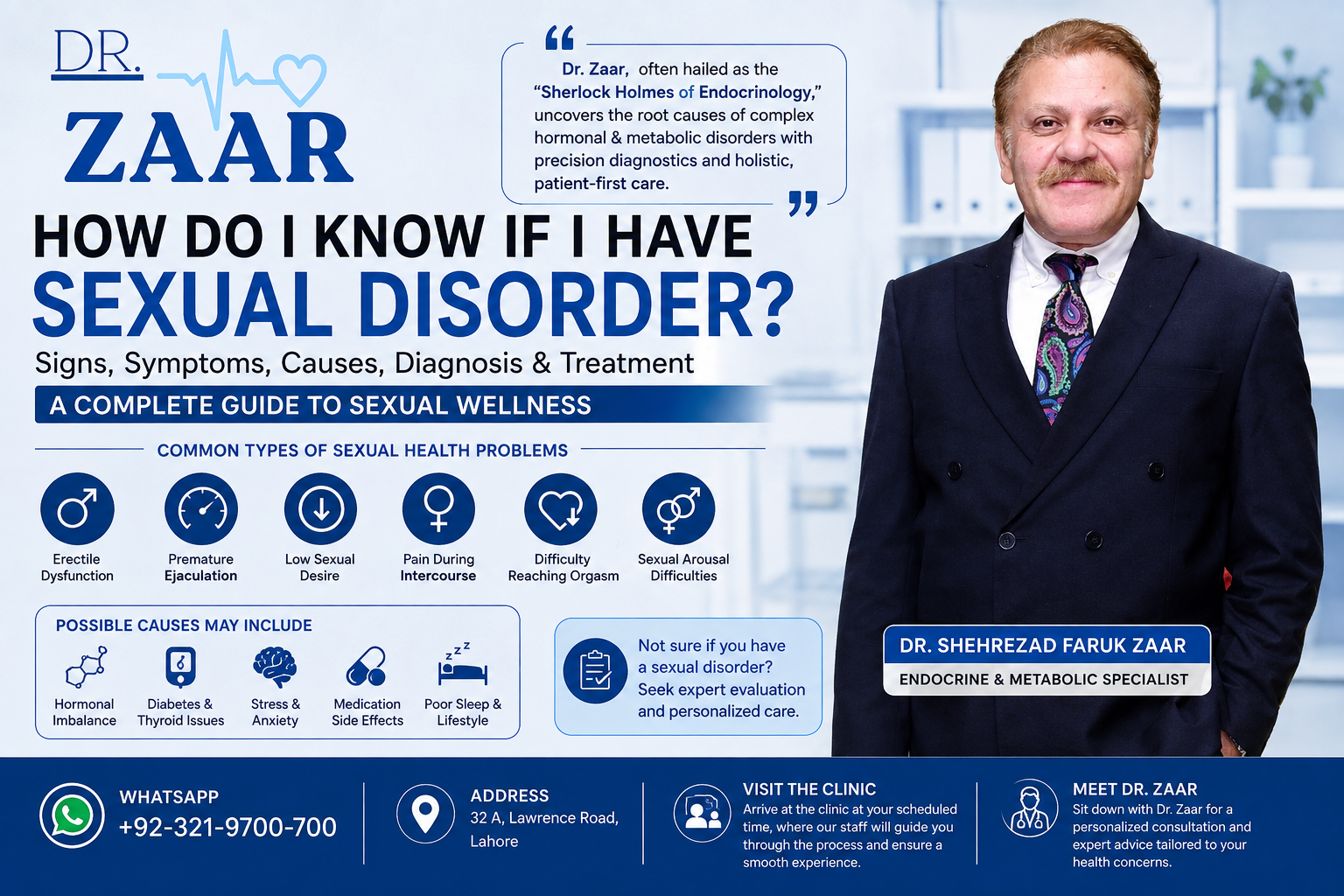
DR: SHEHREZAD FARUK ZAAR takes a broader medical approach to complex hormonal and metabolic concerns. Dr. Zaar, often hailed as the “Sherlock Holmes of Endocrinology,” is described as a physician whose approach to medicine goes beyond conventional symptom-based care. With an understanding of the interconnected nature of hormones, metabolic health, and other body systems, his approach emphasizes identifying possible underlying contributors through appropriate assessment, precision diagnostics, individualized management, and a patient-focused philosophy.
This guide explains the warning signs of sexual disorders, the Common Types of Sexual Health Problems, possible causes, when to seek medical advice, and what a professional evaluation may involve.
What Does a Sexual Disorder Mean?
A sexual disorder, often referred to clinically as sexual dysfunction, involves persistent or recurring difficulties related to sexual desire, arousal, sexual response, orgasm, ejaculation, or pain.
Sexual difficulties can affect:
- Men
- Women
- Younger adults
- Middle-aged adults
- Older adults
- People with or without chronic medical conditions
Having an occasional difficulty does not automatically mean that you have a sexual disorder.
For example, temporary loss of sexual interest during a stressful period may be completely different from persistent low libido lasting for months and causing significant distress.
Similarly, an occasional erection problem does not necessarily indicate erectile dysfunction. However, repeated difficulty achieving or maintaining erections may deserve professional assessment, particularly when it occurs alongside diabetes, high blood pressure, obesity, cardiovascular risk factors, or other health concerns.
The context, duration, severity, and impact of symptoms all matter.
How Can I Tell If My Sexual Function Has Changed?
One of the first steps is to compare your current sexual function with your usual pattern.
Ask yourself:
- Has my sexual desire changed significantly?
- Am I experiencing persistent difficulty becoming sexually aroused?
- Do I repeatedly have difficulty achieving or maintaining an erection?
- Am I ejaculating much earlier than I would like?
- Am I having difficulty reaching orgasm?
- Is sexual activity painful?
- Has vaginal dryness or discomfort developed?
- Are sexual symptoms affecting my confidence or relationship?
- Did the problem begin after starting a medication?
- Did the symptoms appear alongside another health problem?
These questions do not diagnose a sexual disorder by themselves.
They can, however, help identify whether a professional consultation may be worthwhile.
Signs That May Suggest a Sexual Health Problem
Different sexual disorders have different symptoms. Some people experience one symptom, while others experience several at the same time.
Persistent Low Sexual Desire
Reduced sexual desire can occur temporarily because of stress, exhaustion, relationship problems, illness, or emotional difficulties.
It becomes more important to investigate when low libido is persistent and causes distress.
Possible contributors include:
- Hormonal changes
- Depression
- Anxiety
- Chronic stress
- Poor sleep
- Certain medications
- Diabetes
- Thyroid disorders
- Relationship difficulties
- Chronic medical conditions
Low desire should not automatically be interpreted as a testosterone or estrogen problem.
Difficulty with Sexual Arousal
A person may experience sexual interest but have difficulty becoming physically aroused.
For men, this may involve difficulty developing or maintaining an erection.
For women, it may involve difficulty with physical arousal, inadequate lubrication, or reduced sexual responsiveness.
Medical, hormonal, psychological, neurological, vascular, and medication-related factors can all potentially contribute.
Repeated Erectile Difficulties
Erectile dysfunction is one of the most recognized sexual health concerns among men.
Possible symptoms include:
- Difficulty achieving an erection
- Difficulty maintaining an erection
- Erections that are insufficient for sexual activity
- A noticeable change from previous erectile function
Occasional erectile difficulty can occur because of fatigue, stress, alcohol, anxiety, or other temporary circumstances.
Persistent or recurrent problems deserve evaluation.
Erectile dysfunction can sometimes be associated with diabetes, high blood pressure, vascular disease, obesity, neurological conditions, medication effects, or psychological factors.
Therefore, treating the erection alone may not address the complete picture.
DR: FARUK emphasizes considering the broader health context when evaluating symptoms that may involve endocrine or metabolic factors.
Changes in Ejaculation
Ejaculatory problems can take several forms.
Premature Ejaculation
Premature ejaculation involves ejaculation occurring sooner than desired and causing distress or difficulty in the sexual relationship.
Delayed Ejaculation
Some men experience significant difficulty reaching ejaculation despite adequate stimulation.
Difficulty Ejaculating
Certain medications, neurological conditions, psychological factors, and medical conditions can affect ejaculation.
Persistent changes should be discussed with a qualified healthcare professional rather than treated through unverified products.
Difficulty Reaching Orgasm
Some individuals experience difficulty reaching orgasm despite adequate sexual stimulation and desire.
Potential factors may include:
- Medication effects
- Psychological stress
- Anxiety
- Relationship factors
- Hormonal changes
- Neurological conditions
- Other medical issues
Because the possible causes are diverse, a detailed history is often more useful than assuming a single cause.
Pain During Sexual Activity
Pain during sexual activity should not simply be accepted as something that must be tolerated.
Persistent pain may have multiple possible causes, including:
- Vaginal dryness
- Hormonal changes
- Infections
- Pelvic conditions
- Tissue-related problems
- Muscle-related factors
- Psychological factors
Women experiencing recurrent pain should discuss the problem with an appropriate healthcare professional so potential causes can be evaluated.
Common Types of Sexual Health Problems
The Common Types of Sexual Health Problems include concerns involving desire, arousal, erection, ejaculation, orgasm, and pain.
For men, common concerns can include:
- Erectile dysfunction
- Premature ejaculation
- Delayed ejaculation
- Reduced libido
- Difficulty reaching orgasm
For women, concerns may include:
- Reduced sexual desire
- Difficulty with arousal
- Vaginal dryness
- Pain during intercourse
- Difficulty reaching orgasm
Some people experience overlapping symptoms.
For example, a person with diabetes may experience erectile difficulties alongside reduced libido. Another person may experience low desire primarily because of stress, poor sleep, or depression.
This is why identifying the individual cause is more important than simply assigning a label to the symptom.
Understanding the Different Types of Sexual Disorders
Our previous article, “Types of Sexual Disorders: A Complete Guide to Common Sexual Health Problems,” explored the major categories of sexual dysfunction and explained how they can affect both men and women. It discussed problems involving sexual desire, arousal, erection, ejaculation, orgasm, and pain, while emphasizing that different symptoms can have very different causes. The article is particularly relevant to anyone asking whether their own symptoms may represent a sexual disorder because recognizing the type of difficulty is an important starting point. DR: SHEHREZAD FARUK CZAR takes an individualized perspective in which symptoms are considered alongside medical history, hormonal health, metabolic conditions, medication use, lifestyle, sleep, and psychological well-being. Understanding these connections can help patients avoid self-diagnosis and seek appropriate professional evaluation when symptoms are persistent, recurrent, or causing significant distress.
Sexual Disorder and the Importance of Identifying Contributing Factors
Our earlier article, “Sexual Disorder: Causes, Symptoms, Diagnosis and Personalized Management,” focused on why sexual difficulties should not automatically be attributed to one specific cause. Sexual symptoms may occur alongside diabetes, thyroid abnormalities, obesity, hormonal changes, cardiovascular conditions, medication effects, psychological stress, or relationship concerns. The article explains why a detailed medical history and appropriate clinical evaluation can be valuable when symptoms persist. DR: SHEHREZAD CZAR emphasizes that a symptom such as low libido or erectile difficulty does not automatically establish a hormonal diagnosis. Instead, the individual’s overall health, symptoms, medications, lifestyle, and relevant clinical findings should be considered. This approach is especially important for patients who have several health concerns occurring simultaneously. Understanding potential contributing factors can help guide appropriate management rather than relying on generic sexual-health products or unverified treatments.
Weight Management, Metabolic Health and Sexual Wellness
Our recent article, “Weight Loss Expert in Pakistan – Dr. Zaar’s Scientific Approach to Healthy Weight Management,” examined the relationship between weight management, metabolic health, hormones, nutrition, lifestyle, and long-term wellness. This subject has relevance to sexual health because obesity can coexist with insulin resistance, diabetes, cardiovascular risk factors, sleep disorders, and hormonal changes. These conditions may contribute to sexual difficulties in some individuals. However, excess weight should not automatically be considered the sole explanation for sexual dysfunction. A patient may have additional vascular, hormonal, neurological, medication-related, psychological, or reproductive factors that require assessment. DR: SHAHZAD ZAAR follows a broader perspective in which metabolic and hormonal health can be considered alongside the patient’s specific sexual symptoms. Sustainable lifestyle changes may support general health, but treatment should remain individualized and should address medically relevant causes rather than promising a universal solution.
Can Hormones Cause Sexual Problems?
Hormones can influence sexual function, but they are only one part of the picture.
Important hormones may include:
- Testosterone
- Estrogen
- Progesterone
- Thyroid hormones
- Prolactin
- Cortisol
- Insulin
Hormonal abnormalities can sometimes contribute to changes in sexual desire, reproductive function, mood, energy, or sexual performance.
However, having a sexual symptom does not automatically mean that hormone levels are abnormal.
For example, low libido can occur because of depression, chronic stress, relationship difficulties, medications, poor sleep, or illness even when hormone levels are normal.
Appropriate testing should therefore be based on the patient’s symptoms and clinical assessment.
Could Diabetes Be Affecting My Sexual Health?
Diabetes is an important condition to consider when evaluating some sexual problems.
Over time, poorly controlled diabetes can contribute to vascular and nerve-related complications. These complications can affect sexual function.
Men with diabetes may experience erectile or ejaculation problems.
Women may experience changes in arousal, lubrication, or sexual comfort.
However, diabetes is not necessarily the only factor.
A patient with diabetes may simultaneously have:
- Obesity
- High blood pressure
- Medication effects
- Psychological stress
- Sleep problems
- Hormonal abnormalities
A complete evaluation can help determine which factors may be relevant.
Could a Thyroid Problem Be Responsible?
Thyroid disorders can affect metabolism, mood, energy, reproductive function, and sexual health.
Hypothyroidism may be associated with symptoms such as:
- Fatigue
- Low mood
- Weight changes
- Reduced libido
- Menstrual changes
Hyperthyroidism can also cause significant changes in energy, mood, heart rate, and reproductive function.
If sexual symptoms occur alongside other possible thyroid symptoms, thyroid health may be considered as part of a broader evaluation.
Can Stress Make Me Think I Have a Sexual Disorder?
Stress can significantly affect sexual function.
During periods of high stress, people may experience:
- Reduced libido
- Difficulty becoming aroused
- Erectile difficulties
- Performance anxiety
- Difficulty reaching orgasm
- Changes in ejaculation
Stress-related symptoms are still real physical experiences.
The presence of psychological factors does not mean the problem is “imaginary.”
In many cases, physical and psychological factors overlap.
For example, a person may experience an initial physical problem that creates anxiety, which then makes the sexual difficulty more likely to continue.
What About Sleep and Sexual Function?
Sleep is closely connected with physical and emotional health.
Poor sleep can contribute to:
- Fatigue
- Irritability
- Reduced concentration
- Stress
- Lower energy
- Changes in sexual interest
Sleep disorders can also interact with metabolic and hormonal health.
If sexual symptoms occur alongside loud snoring, interrupted breathing during sleep, excessive daytime sleepiness, or persistent fatigue, sleep health may be worth discussing with a healthcare professional.
Can Medicines Cause Sexual Problems?
Yes. Certain medications can affect sexual function.
Depending on the medicine and individual circumstances, possible effects can include:
- Reduced libido
- Erectile difficulties
- Delayed orgasm
- Ejaculatory changes
However, patients should never stop prescribed medication on their own.
If you suspect that a medication is affecting sexual function, speak with the prescribing physician. The doctor can determine whether the medication may be contributing and whether an alternative treatment strategy is appropriate.
Is a Sexual Disorder Only a Problem for Older Adults?
No.
Sexual health problems can occur at different ages.
Younger adults may experience sexual difficulties related to:
- Anxiety
- Stress
- Relationships
- Medications
- Hormonal disorders
- Chronic illnesses
- Other medical factors
Older adults may experience additional factors associated with aging, chronic disease, medications, and hormonal changes.
How Is a Sexual Disorder Diagnosed?
There is no single test that diagnoses every sexual disorder.
A professional assessment may include several components.
Medical History
The physician may ask about:
- Symptoms
- Duration
- Frequency
- Previous sexual function
- Medical conditions
- Medications
- Lifestyle
- Sleep
- Psychological well-being
- Reproductive history
Physical Examination
A physical examination may be appropriate depending on the symptoms.
Laboratory Testing
Testing is selected according to the individual’s circumstances.
Depending on the clinical situation, a physician may consider tests related to:
- Blood glucose
- Thyroid function
- Hormonal health
- Lipid levels
- Other relevant conditions
Not every person requires every test.
Psychological Assessment
Where appropriate, psychological or relationship factors may also be explored.
The purpose is not to blame the patient but to understand the complete situation.
What Questions Might a Doctor Ask?
Patients sometimes feel nervous about what will happen during a sexual health consultation.
A doctor may ask questions such as:
- When did the problem begin?
- Is it happening every time or occasionally?
- Has your sexual desire changed?
- Do you experience morning erections?
- Are you taking any medications?
- Do you have diabetes or thyroid disease?
- How is your sleep?
- Have you experienced significant stress?
- Are there other physical symptoms?
- Has the problem affected your relationship or emotional well-being?
These questions are intended to help identify patterns and possible contributing factors.
Why You Should Not Self-Diagnose
Searching online can help people learn about sexual health, but internet information cannot replace a medical evaluation.
For example, erectile difficulties can have multiple causes.
Similarly, low libido can result from hormonal, psychological, metabolic, medication-related, or lifestyle factors.
Taking supplements or medications based solely on an internet search may delay appropriate diagnosis and potentially create unnecessary risks.
A professional evaluation provides an opportunity to distinguish between possible causes.
When Should I See a Sexual Health Specialist?
Consider seeking professional advice if:
- Symptoms persist for several weeks or longer
- Problems repeatedly occur
- Sexual difficulties are worsening
- Symptoms cause significant distress
- Your relationship is being affected
- You have diabetes
- You have thyroid disease
- You have cardiovascular risk factors
- Symptoms began after medication changes
- You have unexplained hormonal symptoms
- You have fertility concerns
- Sexual activity has become painful
What Can Be Done About a Sexual Disorder?
Treatment depends entirely on the underlying problem.
Depending on the diagnosis, management may involve:
Lifestyle Changes
Improving physical activity, nutrition, sleep, weight management, and tobacco avoidance may support overall health.
Medical Treatment
Specific medical treatment may be appropriate for certain diagnosed conditions.
Hormonal Management
If a genuine hormonal disorder is identified, appropriate treatment may be considered under medical supervision.
Psychological Support
Counseling, psychotherapy, sex therapy, or relationship counseling may be useful when psychological or relationship factors contribute to the problem.
Management of Underlying Diseases
Improving control of diabetes, thyroid disease, cardiovascular risk factors, or other medical conditions may be an important part of management.
A treatment plan should be based on the patient’s diagnosis rather than on a generic approach.
A Personalized Approach to Sexual Health
DR: ZAAR emphasizes that sexual health should be considered within the context of the entire patient.
A comprehensive assessment may consider:
- Hormonal function
- Metabolic health
- Cardiovascular health
- Diabetes
- Thyroid function
- Weight
- Sleep
- Medications
- Psychological factors
- Reproductive health
- Lifestyle
This approach can be particularly useful when symptoms are complex or when several conditions occur simultaneously.
The objective is to understand the patient’s concerns and identify medically appropriate next steps.
Supporting Sexual Health Through Healthy Habits
Lifestyle does not replace medical treatment when a disorder requires professional care, but healthy habits can support general well-being.
Stay Physically Active
Regular physical activity supports cardiovascular fitness, metabolic health, mood, and overall energy.
Maintain Balanced Nutrition
A balanced diet can contribute to healthy weight, cardiovascular health, and metabolic function.
Prioritize Sleep
Adequate sleep supports energy, mood, and general health.
Manage Stress
Relaxation techniques, exercise, counseling, and healthy routines may help manage chronic stress.
Avoid Tobacco
Smoking can negatively affect vascular health and may contribute to sexual difficulties.
Limit Harmful Alcohol Use
Excessive alcohol consumption can affect sexual performance, sleep, mood, and overall health.
Confidential Consultation With Dr. Zaar
Sexual health concerns can be difficult to discuss, but a professional consultation should provide a respectful environment for discussing intimate symptoms.
For patients seeking consultation with DR: CZAR, the clinic information is:
WhatsApp: +92-321-9700-700
Address: 32 A, Lawrence Road, Lahore
Visit the Clinic
Arrive at the clinic at your scheduled time. The clinic staff will guide you through the process and help ensure a smooth consultation experience.
Meet Dr. Zaar
Sit down with Dr. Zaar for a personalized consultation and expert advice tailored to your health concerns.
During the consultation, you can discuss symptoms, medical history, medications, hormonal concerns, metabolic health, lifestyle factors, and other issues relevant to your sexual wellness.
What Makes a Comprehensive Evaluation Valuable?
A symptom-focused approach may identify what is happening, but a broader evaluation can help explore why it is happening.
For example:
A man experiencing erectile difficulties may have diabetes, vascular risk factors, medication effects, anxiety, hormonal changes, or a combination of these.
A woman experiencing low sexual desire may have stress, poor sleep, medication effects, hormonal changes, relationship difficulties, or another medical condition.
Therefore, two people with apparently similar symptoms may require completely different approaches.
DR: SHEHREZAD FARUK ZAAR focuses on the importance of looking at the individual rather than treating every patient according to the same template.
Frequently Asked Questions About Sexual Disorders
How do I know if I have a sexual disorder?
A persistent or recurring problem involving desire, arousal, erection, ejaculation, orgasm, or sexual pain that causes distress or affects quality of life may warrant professional evaluation. Only a qualified healthcare professional can determine whether your symptoms meet the criteria for a specific disorder.
Is one bad sexual experience a sexual disorder?
Usually, an occasional difficulty does not automatically indicate a sexual disorder. Temporary stress, fatigue, anxiety, illness, or other circumstances can affect sexual performance.
Does low libido always mean a hormone problem?
No. Low libido can have hormonal, psychological, medication-related, relationship-related, sleep-related, or medical causes.
Can diabetes cause sexual dysfunction?
Diabetes can contribute to sexual difficulties, particularly when vascular or nerve complications develop. However, individual causes vary.
Can sexual problems be treated?
Many sexual health problems can be managed when their contributing factors are identified. Treatment depends on the specific diagnosis.
Should I take testosterone if I have low sexual desire?
Not without appropriate medical assessment. Low sexual desire does not automatically indicate testosterone deficiency, and hormone treatment should only be considered when medically appropriate.
Can stress cause erectile dysfunction?
Stress and anxiety can contribute to erectile difficulties. Physical and psychological causes can also coexist.
Are sexual disorders embarrassing?
Sexual health problems are medical concerns and should not be a source of shame. Discussing symptoms with a qualified professional can help identify potential causes and appropriate treatment options.
Take the Next Step if You Are Concerned About Your Sexual Health
If you have been asking yourself, this or any other “How do I know if I have a sexual disorder?”, remember that you do not have to diagnose yourself.
Pay attention to persistent or recurring changes in sexual desire, arousal, erection, ejaculation, orgasm, or comfort. Consider whether the symptoms are causing distress, affecting your relationship, or occurring alongside conditions such as diabetes, thyroid disease, obesity, cardiovascular problems, medication changes, sleep difficulties, or significant stress.
The Common Types of Sexual Health Problems can have many different causes, and similar symptoms may require very different treatment approaches.
DR: SHEHREZAD FARUK ZAAR applies a personalized, whole-body perspective to complex endocrine, hormonal, and metabolic concerns. His approach emphasizes appropriate assessment and consideration of the factors that may contribute to an individual’s symptoms.
If your symptoms are persistent, recurrent, or concerning, a confidential professional consultation can help you understand what may be happening and what options may be appropriate.
Sexual health is part of overall health. Seeking medical advice is not a sign of weakness or embarrassment—it can be an important step toward understanding your body, addressing potential underlying conditions, and improving your overall well-being.
Related Blogs

- August 24, 2026
Best Erectile Dysfunction Treatment in Pakistan,.
Erectile dysfunction is one of the most common yet least openly discussed male health concerns in Pakistan. Men in Lahore,.
Read More
- August 15, 2026
Best Sexual Health Specialist in Pakistan,.
Sexual health is an important part of overall physical, hormonal, reproductive, and emotional well-being. Yet many people hesitate to discuss.
Read More