



Sexual Disorders, Understanding Causes, Symptoms, Diagnosis, and Personalized Treatment
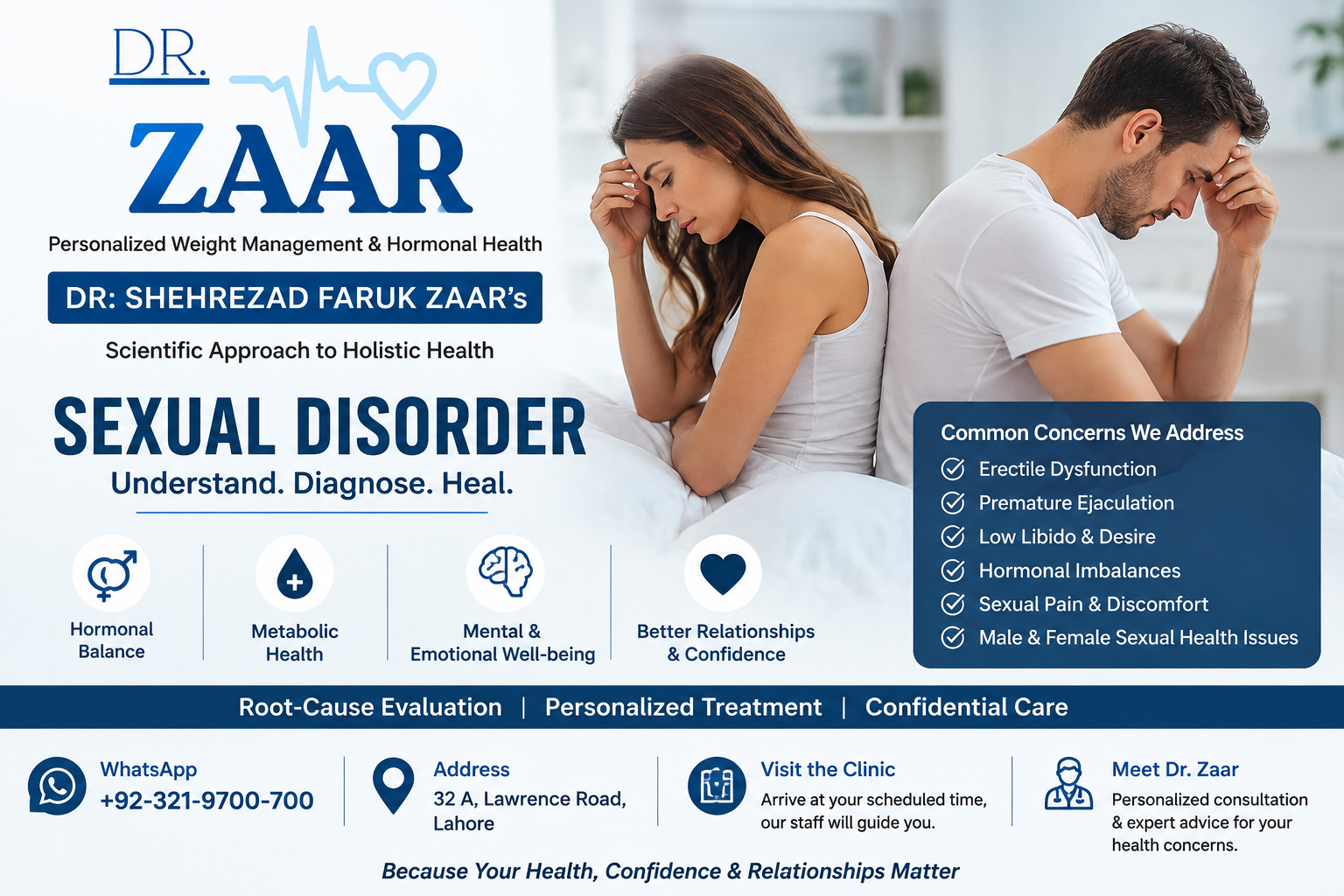
Sexual health is an important part of overall physical and emotional well-being, yet many men and women hesitate to discuss sexual concerns with a doctor. Problems involving sexual desire, arousal, erection, ejaculation, orgasm, intercourse, fertility, or painful sexual activity can affect confidence, relationships, mental well-being, and quality of life. Importantly, sexual disorders are not always caused by psychological or relationship factors. Hormonal changes, diabetes, thyroid abnormalities, metabolic problems, medication effects, vascular conditions, neurological disorders, and other medical issues may contribute.
A proper evaluation therefore looks beyond the immediate symptom and considers the person’s complete health profile. DR: SHEHREZAD FARUK ZAAR, also known as DR: SHEHREZAD CZAR and DR: ZAAR, follows a root-cause-oriented approach in which sexual symptoms are considered alongside hormonal, metabolic, and general health factors.
For individuals experiencing a sexual disorder, seeking professional medical consultation can be an important first step in identifying underlying causes, understanding contributing factors, and developing a personalized treatment and management plan.
What Is a Sexual Disorder?
A sexual disorder refers broadly to a persistent or recurring difficulty involving sexual desire, arousal, sexual response, orgasm, ejaculation, or pain associated with sexual activity. These difficulties may occur in men, women, or people of any age and can have many different causes.
Sexual problems can be temporary or long-lasting. They may appear suddenly or develop gradually. In some individuals, the problem is primarily physical, while in others several factors can interact.
For example, a person experiencing erectile difficulties may also have diabetes, high blood pressure, obesity, low physical activity, medication-related effects, stress, or hormonal abnormalities. Similarly, reduced sexual desire may be associated with relationship difficulties or psychological stress, but it can also occur alongside endocrine or metabolic problems.
This is why simply treating a visible symptom without investigating its possible causes may not always provide the best long-term approach.
A detailed medical history and appropriate examination can help determine whether further hormonal, metabolic, cardiovascular, neurological, psychological, or other assessment is appropriate.
Common Types of Sexual Health Problems
Sexual disorders can present differently from person to person. Some of the commonly recognized categories include:
Erectile Difficulties in Men
Erectile dysfunction generally refers to difficulty obtaining or maintaining an erection sufficient for satisfactory sexual activity. Occasional difficulty can happen for many reasons and does not necessarily indicate a chronic disorder.
However, persistent erectile problems deserve medical attention because erection depends on healthy blood flow, nerve function, hormonal influences, psychological well-being, and other physiological mechanisms.
Conditions such as diabetes, hypertension, obesity, smoking, cardiovascular disease, certain medications, and hormonal abnormalities may contribute.
Reduced Sexual Desire
Low sexual desire can affect both men and women. Desire can naturally fluctuate according to age, stress, sleep, relationship circumstances, physical health, and life events.
Persistent or distressing reduction in libido may sometimes be associated with hormonal changes, certain medications, depression, anxiety, chronic illness, sleep problems, or metabolic health issues.
A physician can help determine whether the change warrants further evaluation.
Premature Ejaculation
Premature ejaculation involves ejaculation that occurs sooner than desired and causes significant distress or relationship difficulty. It is relatively common and can involve psychological, behavioral, relationship, neurological, or other biological factors.
Treatment depends on the individual’s circumstances and may involve behavioral approaches, counseling, medication, or management of contributing conditions.
Delayed or Difficult Ejaculation
Some men experience difficulty reaching ejaculation despite adequate sexual stimulation. Potential contributing factors include certain medications, neurological conditions, psychological factors, alcohol or substance use, and other medical conditions.
Understanding when the problem began and whether it occurs in every situation can provide important diagnostic information.
Sexual Pain
Pain during sexual activity can affect women and men. In women, possible contributors include hormonal changes, infections, pelvic-floor problems, endometriosis, vaginal dryness, and other gynecological conditions.
Men may experience pain associated with infections, inflammation, prostate-related problems, or other conditions.
Sexual pain should not simply be ignored or accepted as unavoidable.
Why Sexual Problems Can Have a Hormonal Connection
Hormones influence numerous physiological processes associated with sexual health. Testosterone, estrogen, thyroid hormones, prolactin, cortisol, insulin, and other endocrine signals interact with the nervous, vascular, reproductive, and metabolic systems.
A hormonal abnormality does not automatically explain every sexual symptom, but in appropriate patients it may be one component of a broader clinical picture.
For example, altered testosterone levels may be associated with changes in libido and other aspects of sexual function in some men. Thyroid disorders can also affect sexual function and reproductive health. Elevated prolactin can interfere with reproductive hormone signaling.
The important point is that hormone testing should not be performed indiscriminately or interpreted in isolation. Hormone levels vary according to age, sex, timing, medications, physiological conditions, and laboratory methods.
CZAR MD emphasizes the importance of connecting laboratory findings with symptoms, medical history, examination findings, and other relevant clinical information rather than treating a single laboratory number as the entire diagnosis.
Sexual Dysfunction and Metabolic Health
Sexual function can sometimes provide clues about broader health.
The vascular system plays an important role in erection in the natural way and genital blood flow. Consequently, conditions affecting blood vessels may influence sexual function. Diabetes, hypertension, obesity, abnormal cholesterol, smoking, and sedentary lifestyle are among the factors that can affect vascular health.
Diabetes deserves particular attention because prolonged high blood glucose can contribute to blood-vessel and nerve complications. These complications may influence sexual function in some individuals.
Metabolic health also interacts with hormonal function. Excess body weight can be associated with changes in insulin sensitivity and endocrine signaling, while sleep problems and physical inactivity can further influence overall well-being.
This does not mean that every sexual problem is caused by metabolic disease. Instead, it highlights why a comprehensive assessment can sometimes be more useful than focusing exclusively on the sexual symptom.
The Connection Between Diabetes and Sexual Disorders
Diabetes can affect sexual health through several pathways. Persistent elevated blood glucose may contribute to vascular and neurological complications, while diabetes may coexist with obesity, hypertension, and other cardiovascular risk factors.
In men, diabetes is associated with an increased risk of erectile dysfunction. Nerve and blood-vessel changes may contribute, although psychological and medication-related factors can also be involved.
Women with diabetes may experience sexual concerns as well, including reduced desire, difficulties with arousal, vaginal dryness, or discomfort. Individual causes vary and should be assessed rather than assumed.
Effective diabetes management, physical activity, nutritional improvements, smoking cessation when applicable, appropriate treatment of cardiovascular risk factors, and individualized medical care may all contribute to better overall health.
For this reason, someone experiencing sexual difficulties alongside diabetes may benefit from discussing both concerns during the same medical evaluation.
Could Thyroid Problems Affect Sexual Function?
The thyroid gland influences metabolism, energy regulation, cardiovascular function, and multiple aspects of endocrine physiology. Both excessive and insufficient thyroid hormone activity can produce wide-ranging symptoms.
Changes in thyroid function may sometimes be associated with alterations in libido, erectile function, menstrual patterns, mood, energy, or reproductive health.
However, these symptoms are nonspecific. Fatigue, reduced desire, or sexual difficulties do not automatically mean that a person has a thyroid disorder.
When symptoms and medical history suggest a possible thyroid contribution, a doctor may recommend appropriate thyroid testing and interpret the results in the context of the individual patient.
This broader perspective is particularly relevant when several apparently unrelated symptoms occur together.
Sexual Disorders in Men: When Should You Seek Evaluation?
Men may delay seeking medical advice because sexual problems can feel embarrassing or personal. However, persistent symptoms should not be considered a sign of weakness or something that must simply be tolerated.
Medical evaluation may be appropriate when:
- Erectile difficulties repeatedly occur.
- Sexual desire has decreased significantly and remains low.
- Ejaculation problems cause persistent distress.
- Sexual activity is painful.
- There are significant changes in sexual function after starting medication.
- Sexual difficulties occur alongside diabetes or other chronic conditions.
- There are symptoms suggesting hormonal problems.
- Fertility concerns are present.
- Symptoms develop suddenly or significantly change.
A confidential consultation provides an opportunity to discuss symptoms without judgment and determine whether further investigation is appropriate.
Sexual Disorders in Women Require Equally Careful Attention
Women’s sexual health can be influenced by hormonal, reproductive, psychological, metabolic, neurological, medication-related, and relationship factors.
Changes in sexual function can occur during different stages of life. Menopause and the transition toward menopause, for example, may be associated with changes in estrogen levels, vaginal tissue, lubrication, sleep, mood, and sexual comfort.
Other possible contributors include thyroid disease, diabetes, certain medications, pelvic conditions, stress, anxiety, depression, and relationship difficulties.
Women should not assume that persistent sexual discomfort or loss of desire is simply an unavoidable part of aging.
The correct approach depends on the symptoms and underlying circumstances. Some situations may require assessment by a gynecologist, endocrinologist, urologist, mental-health professional, or another appropriate specialist.
How a Doctor Evaluates a Sexual Disorder
A proper consultation usually begins with a detailed conversation. This may include questions about the primary symptom, when it began, how frequently it occurs, whether it is changing, medications, medical conditions, lifestyle factors, sleep, stress, and reproductive history where relevant.
Depending on the situation, the clinician may also ask about:
- Sexual desire and arousal
- Erectile or lubrication difficulties
- Ejaculation or orgasm
- Pain during sexual activity
- Menstrual or reproductive history
- Fertility concerns
- Medication and supplement use
- Diabetes and metabolic conditions
- Blood pressure and cardiovascular health
- Psychological stress
- Sleep and physical activity
The goal for this disease is not to perform every possible test. Rather, testing should be guided by the clinical picture.
Why Root-Cause Assessment Matters
A symptom is not always the same thing as a diagnosis.
For example, erectile dysfunction may be associated with vascular disease, diabetes, medication effects, hormonal factors, psychological factors, or a combination of these. Treating only the erection without considering the broader health picture may overlook an important contributing condition.
Similarly, low libido may have multiple potential explanations. A person may have poor sleep and high stress, while another may have a medication-related effect or endocrine abnormality.
DR: SHEHREZAD FARUK CZAR approaches complex endocrine and metabolic presentations by looking for relationships between symptoms rather than automatically assuming one cause.
This philosophy is particularly useful when sexual symptoms occur alongside weight changes, fatigue, diabetes, thyroid abnormalities, reproductive concerns, or other systemic symptoms.
The Role of Hormonal Testing
Hormonal testing may be appropriate in selected patients, but the specific tests depend on the symptoms and clinical history.
For example, a clinician may consider aspects of reproductive hormone function, thyroid status, prolactin, glucose metabolism, or other investigations when medically indicated.
Test results must be interpreted carefully. A hormone level can vary based on the time of day, recent illness, medication, age, laboratory methodology, and other factors.
It is therefore not advisable to diagnose a hormone disorder from a single number found on an online laboratory report without appropriate medical context.
A personalized assessment helps determine which investigations are actually relevant.
Previous Article Connection: Best Weight Loss Specialist in Pakistan – Dr. Zaar’s Scientific Approach
Sexual health can intersect with the metabolic and hormonal factors discussed in the previous article about the Best Weight Loss Specialist in Pakistan and Dr. Zaar’s scientific approach to healthy weight management. Weight management is not solely about appearance or a number on a weighing scale. Metabolic health, insulin sensitivity, physical activity, sleep, cardiovascular health, and endocrine signaling can influence many aspects of general well-being.
Excess weight may coexist with diabetes, hypertension, sleep problems, and hormonal disturbances, all of which can potentially influence sexual health in some individuals. This does not mean weight loss is a universal treatment for sexual dysfunction, but improving overall metabolic health may be an important part of care when obesity or metabolic disease is contributing to a person’s health concerns.
Dr. Zaar’s approach emphasizes looking at the broader clinical picture so that related health concerns are not treated as completely isolated problems.
Lifestyle Factors That Can Influence Sexual Health
Lifestyle does not explain every sexual disorder, but several everyday factors can affect general sexual and cardiovascular health.
Physical Activity
Regular physical activity supports cardiovascular fitness, circulation, metabolic health, and overall energy. The appropriate activity level depends on age and individual health status.
Sleep
Inadequate sleep may contribute to fatigue, mood fluctuations, increased stress, and diminished overall well-being. Sleep-related problems can also influence metabolic function and hormonal balance.
Nutrition
A balanced dietary pattern planned by professional doctor can support cardiovascular and metabolic health. There is no single food that universally cures sexual dysfunction.
Smoking
Smoking can damage blood vessels and is an important modifiable cardiovascular risk factor. Stopping smoking can provide substantial health benefits.
Alcohol and Substance Use
Excessive alcohol consumption by the patient and some substances can negatively affect individuals sexual function. Individual effects vary.
Stress
Chronic stress can affect desire, arousal, mood, sleep, and relationship dynamics. Addressing stress may therefore be part of a comprehensive management strategy.
Best Fat Loss Specialist in Pakistan, Lahore, Islamabad & Karachi
Another relevant connection comes from the previous article focusing on the Best Fat Loss Specialist in Pakistan, Lahore, Islamabad & Karachi and the scientific approach to healthy fat reduction. Fat loss and sexual health are not identical medical goals, but they can overlap through metabolic and hormonal pathways.
For some people, excess adiposity accompanies insulin resistance, diabetes, cardiovascular risk factors, sleep disturbances, or hormonal changes. These conditions may have implications for sexual health. A person’s body composition, metabolic status, physical activity, sleep quality, and general health can therefore be relevant when evaluating certain sexual concerns.
The appropriate objective of this is not simply to pursue rapid weight reduction. Sustainable health improvement should be based on the person’s medical circumstances, nutritional needs, activity level, and long-term goals.
When sexual symptoms and metabolic concerns occur together, discussing both during a professional consultation can help create a more complete understanding of the individual’s health.
Can Psychological Factors Cause Sexual Problems?
Yes. Psychological and emotional factors can play a significant role in sexual function. Anxiety, depression, relationship difficulties, previous negative experiences, performance anxiety, stress, and low self-confidence may influence sexual desire or performance.
Importantly, recognizing psychological factors does not mean that symptoms are imaginary.
The brain, nervous system, hormones, emotions, and physical body work together during sexual activity. A person may have both physical and psychological contributors at the same time.
For example, an initial physical difficulty may create anxiety about future sexual activity, which can then make the problem more likely to recur.
A good healthcare approach should therefore avoid false distinctions between “physical” and “mental” causes. When appropriate, medical treatment and psychological or relationship support can complement each other.
Pakistan’s Leading Weight Loss Clinic for Personalized Weight Management and Hormonal Health
The recently discussed article about Pakistan’s Leading Weight Loss Clinic and Dr. Zaar’s personalized approach to weight management and hormonal health is also relevant to understanding why complex symptoms require an individualized assessment. Hormonal health is interconnected with metabolism, energy regulation, reproductive function, and other physiological systems.
A person experiencing sexual difficulties may also have changes in body weight, diabetes, thyroid abnormalities, fatigue, or other symptoms. These findings do not establish a single diagnosis, but together they may help a physician decide what needs further investigation.
Dr. Zaar’s clinical philosophy focuses on identifying possible relationships between different systems rather than automatically treating each symptom as an unrelated problem.
This approach can be especially valuable when a patient’s sexual concern is accompanied by endocrine or metabolic symptoms that require broader evaluation.
Treatment Depends on the Cause
There is no single treatment for every sexual disorder.
Management may depend on whether the primary contributor is hormonal, vascular, neurological, psychological, medication-related, metabolic, reproductive, or a combination of factors.
Depending on the clinical situation, treatment may involve:
- Management of diabetes or metabolic disease
- Treatment of an identified endocrine disorder
- Review of medications for disorder that may contribute to symptoms
- Lifestyle and cardiovascular risk reduction
- Appropriate medical treatment for erectile dysfunction
- Behavioral approaches for ejaculation difficulties
- Psychological counseling when indicated
- Relationship or couples therapy where appropriate
- Treatment of infections or other underlying medical conditions
- Referral to another specialist when necessary
A qualified physician should determine the appropriate treatment rather than relying on unverified online remedies.
Why Self-Medicating for Sexual Problems Can Be Risky
Sexual health products are widely advertised online, often with claims of rapid or permanent results. Some products may contain undisclosed ingredients or inappropriate medications.
Self-medicating can also be dangerous when someone has cardiovascular disease, takes blood-pressure medication, uses nitrate medications, or has other medical conditions that affect treatment choices.
Similarly, taking testosterone or other hormones without establishing an appropriate medical indication can create health risks and may interfere with fertility in men.
The safest approach is to discuss persistent symptoms with a qualified healthcare professional who can determine whether medication, testing, lifestyle changes, referral, or another intervention is appropriate.
Personalized Sexual Health Care With Dr. Zaar
DR: SHEHREZAD FARUK ZAAR, also known as DR: FARUK, DR: CZAR, and DR: ZAAR, is known for an approach that focuses on the interaction between endocrine, metabolic, and systemic health.
Dr. Zaar, often hailed as the “Sherlock Holmes of Endocrinology,” is a physician whose approach to medicine transcends the conventional. With a profound understanding of the interconnected nature of hormones, Zaar is renowned for uncovering possible root causes of complex, multi-systemic disorders that may otherwise be overlooked.
Combining precision diagnostics, individualized treatment planning, and a patient-first philosophy, his approach emphasizes understanding the person rather than simply treating an isolated symptom.
When sexual concerns appear alongside hormonal or metabolic symptoms, this broader perspective can be particularly valuable. The purpose of a consultation is to understand the patient’s concerns, identify relevant clinical factors, and determine the most appropriate next steps.
What to Expect During Your Consultation?
A consultation for a sexual disorder should be approached as a confidential medical discussion rather than something embarrassing.
Share Your Main Concern
Begin by explaining the primary issue in your own words. You do not need to use complicated medical terminology.
Explain When It Started
Tell the doctor whether the problem developed suddenly or gradually and whether it occurs consistently or only in certain circumstances.
Discuss Other Symptoms
Mention relevant changes such as fatigue, weight changes, changes in libido, sleep problems, urinary symptoms, menstrual changes, or other health concerns.
Review Your Medical History
Existing conditions, previous surgeries, medications, supplements, and lifestyle factors may be relevant.
Follow the Recommended Evaluation
If testing or specialist referral is appropriate, your physician can explain what is being evaluated and why.
Visit Dr. Zaar for a Personalized Evaluation in Lahore
If you are experiencing persistent sexual difficulties and want to discuss them with a physician, you can arrange a consultation with DR: SHEHREZAD CZAR / DR: ZAAR.
WhatsApp: +92-321-9700-700
Address: 32 A, Lawrence Road, Lahore
Visit the Clinic
Arrive at the clinic at your scheduled time, where our staff will guide you through the process and ensure a smooth experience.
Meet Dr. Zaar
Sit down with Dr. Zaar for a personalized consultation and expert advice tailored to your health concerns.
The consultation provides an opportunity to discuss your symptoms confidentially, review relevant health factors, and determine whether further investigation or treatment is appropriate.
When Sexual Symptoms May Signal a Broader Health Issue
One of the most important reasons not to ignore persistent sexual dysfunction is that sexual symptoms can sometimes occur alongside broader health problems.
For example, erectile dysfunction can coexist with cardiovascular risk factors. Sexual symptoms may also appear in association with diabetes, obesity, thyroid disease, certain medications, psychological stress, or hormonal abnormalities.
This does not mean that a sexual disorder proves the presence of another disease. Rather, it means that persistent symptoms can provide an opportunity to review overall health.
A physician may therefore consider the complete clinical picture rather than focusing only on the immediate sexual complaint.
This is especially important for individuals who have multiple symptoms that appear unrelated. Fatigue, weight changes, reduced libido, erectile difficulties, altered menstrual cycles, or metabolic problems may warrant a broader assessment when they occur together.
Building a Healthier Approach to Sexual Wellness
Sexual wellness is part of whole-person health. Maintaining cardiovascular fitness, managing metabolic conditions, obtaining adequate sleep, addressing psychological stress, avoiding tobacco, and following appropriate medical care can all contribute to overall well-being.
However, healthy lifestyle habits should not be presented as a substitute for medical evaluation when persistent symptoms are present.
The right approach is individualized. Some people may need medical treatment for an endocrine condition. Others may benefit from psychological support, medication review, lifestyle changes, or referral to another specialist.
There is no reason for a person to feel ashamed about asking for help.
Sexual health concerns are medical concerns, and discussing them openly with an appropriate healthcare professional can be the first step toward understanding what is happening.
Frequently Asked Questions About Sexual Disorders
Is sexual dysfunction always caused by hormones?
No. Sexual dysfunction can have many possible causes, including vascular, neurological, psychological, medication-related, metabolic, reproductive, relationship, and hormonal factors. Hormonal evaluation may be appropriate in selected patients.
Can diabetes cause sexual problems?
Diabetes can increase the risk of sexual dysfunction, particularly when long-term blood-glucose control is poor or when vascular and neurological complications develop. However, individual causes vary.
Can thyroid problems affect sexual desire?
Thyroid disorders may be associated with changes in libido and other aspects of sexual function. Proper thyroid evaluation is needed before attributing symptoms to the thyroid.
Is erectile dysfunction only a problem for older men?
No. Erectile difficulties can occur at different ages. Causes vary considerably, and persistent symptoms should be evaluated according to the individual’s health and circumstances.
Should I take testosterone if I have low sexual desire?
Not automatically. Testosterone treatment should only be considered when medically appropriate and after proper evaluation. Low desire can have many causes.
Can stress affect sexual performance?
Yes. Stress, anxiety, anxiety, depression, performance and relationship difficulties among both can affect sexual function. Physical and psychological causes can also coexist.
Are sexual disorders treatable?
Many sexual health problems can be managed, although treatment depends on the underlying cause. Appropriate diagnosis is an important first step.
Take the First Step Toward Understanding Your Sexual Health
A sexual disorder should not be dismissed as something that a person simply has to live with. Persistent difficulties involving desire, erection, ejaculation, orgasm, arousal, fertility, or sexual pain deserve thoughtful evaluation.
The most effective approach is usually not to search for a single universal solution. Instead, the goal is to understand the individual’s symptoms, medical history, medications, lifestyle, hormonal and metabolic health, and other relevant factors.
DR: SHEHREZAD FARUK ZAAR, DR: SHEHREZAD FARUK CZAR, DR: SHAHZAD ZAAR, CZAR MD, DR: FARUK, DR: CZAR, and DR: ZAAR represent the variations of the doctor’s name used in connection with his professional identity. His approach emphasizes investigating complex endocrine and metabolic relationships and developing care around the individual patient’s circumstances.
If you are experiencing a persistent sexual health concern, consider discussing it confidentially with a qualified physician rather than relying on self-diagnosis or unverified treatments.
WhatsApp: +92-321-9700-700
Clinic: 32 A, Lawrence Road, Lahore
Visit the clinic at your scheduled time, meet Dr. Zaar, explain your concerns openly, and receive a personalized medical assessment focused on understanding the possible causes of your symptoms and determining appropriate next steps.
Related Blogs
- August 12, 2026
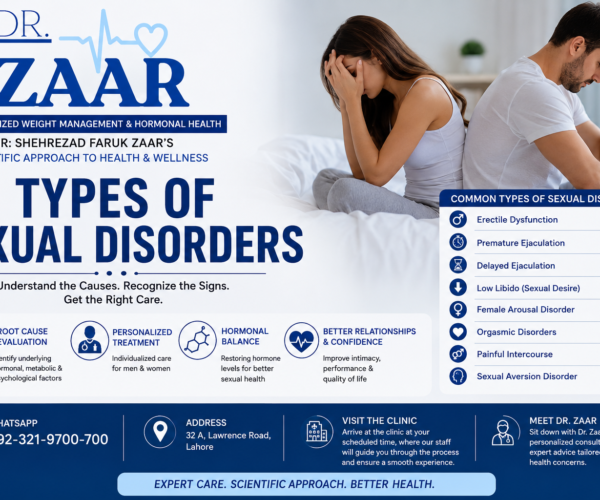
Types of Sexual Disorders, Guide to.
Sexual health is an essential part of physical, emotional, and relationship well-being. Yet, many individuals hesitate to discuss sexual concerns.
Read More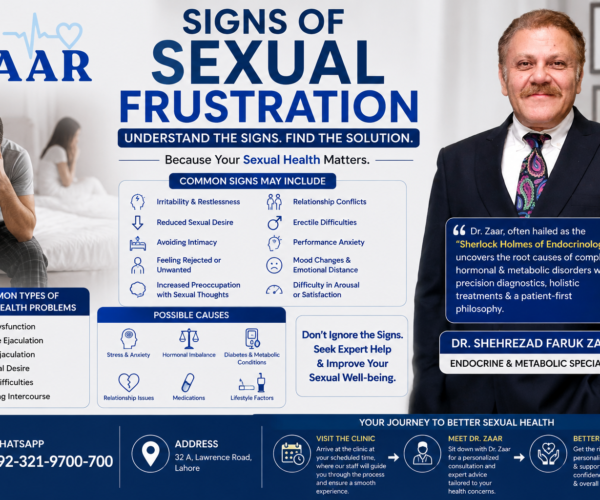
- August 18, 2026
Signs of Sexual Frustration, Understanding the.
Sexual frustration can affect a person’s emotional well-being, confidence, relationships, and overall quality of life. It may develop when someone.
Read More