



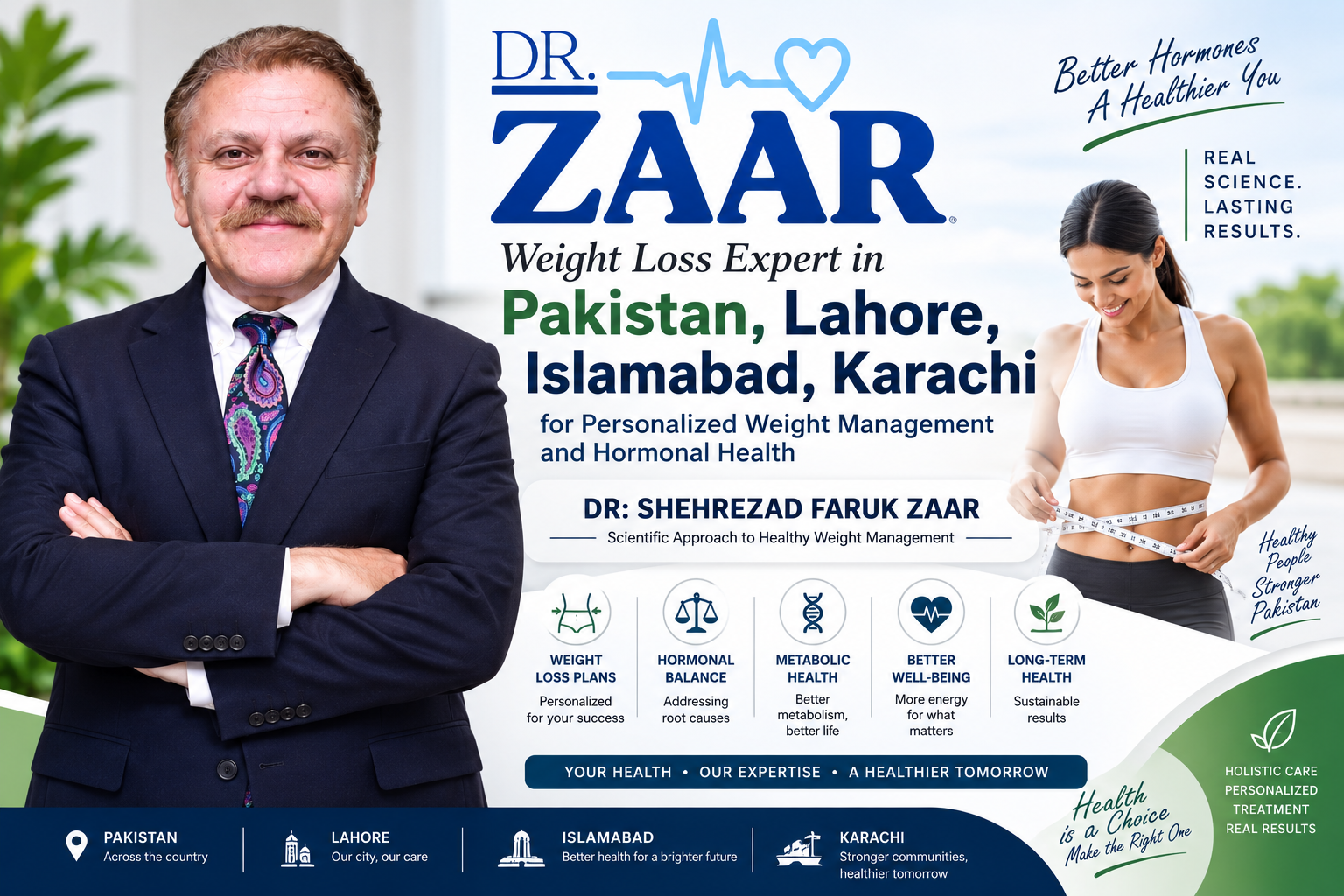
Weight Loss Expert in Pakistan, Lahore, Islamabad, Karachi Dr. Zaar’s Scientific Approach to Healthy Weight Management
Achieving and maintaining a healthy weight is about much more than reducing numbers on a weighing scale. Sustainable weight management requires an understanding of metabolism, hormones, nutrition, physical activity, sleep, medical conditions, lifestyle patterns, and the individual factors that influence how the body stores and uses energy.
For people searching for a Weight Loss Expert in Pakistan, Lahore, Islamabad, Karachi, choosing a physician who looks beyond short-term dieting can make an important difference. Weight gain may sometimes be associated with insulin resistance, diabetes, thyroid disorders, hormonal changes, medications, poor sleep, stress, or other underlying factors. Therefore, a personalized medical assessment can help determine the most appropriate strategy.
SHEHREZAD FARUK ZAAR, also known as DR. SHEHREZAD FARUK CZAR, DR. SHEHREZAD CZAR, DR. SHAHZAD ZAAR, CZAR MD, DR. FARUK, DR. CZAR, and DR. ZAAR, follows a scientific, individualized approach to metabolic and hormonal health.
Dr. Zaar, often hailed as the “Sherlock Holmes of Endocrinology,” is a physician whose approach to medicine transcends the conventional. With a profound understanding of the interconnected nature of hormones, Zaar is renowned for uncovering the root causes of complex, multi-systemic disorders that many practitioners overlook. Combining precision diagnostics, holistic treatments, and a patient-first philosophy, he has earned a reputation as a trailblazer in the field of endocrine biochemistry and metabolic medicine.
This article explains how a scientific weight-management approach can help individuals understand their weight, identify possible contributing factors, and work toward healthier, sustainable outcomes.
What Does a Weight Loss Expert Do?
A weight loss expert focuses on understanding why an individual is gaining weight, struggling to lose weight, or repeatedly regaining weight after dieting.
Weight management can involve much more than calorie restriction. A physician may consider.
- Current body weight and body composition
- Dietary habits
- Physical activity
- Sleep patterns
- Stress
- Blood glucose regulation
- Insulin resistance
- Thyroid function
- Hormonal health
- Medications
- Family history
- Existing medical conditions
- Previous weight-loss attempts
This comprehensive approach recognizes that two people with similar body weights may have completely different metabolic circumstances.
For some individuals, lifestyle changes may be sufficient. Others may require medical evaluation and treatment of an underlying condition.
The objective should be to create a realistic plan that can be maintained over the long term.
Why Sustainable Weight Management Is Different from Crash Dieting
Rapid weight-loss programs can appear attractive because they promise dramatic results in a short period. However, extreme restriction may be difficult to maintain and can encourage repeated cycles of losing and regaining weight.
A sustainable approach focuses on gradual, realistic changes.
These may include.
- Improving dietary quality
- Increasing appropriate physical activity
- Managing portion sizes
- Improving sleep
- Reducing sedentary behavior
- Addressing metabolic conditions
- Managing stress
- Monitoring progress
- Adjusting the plan when necessary
Healthy weight management should be viewed as a long-term health strategy rather than a temporary challenge.
Understanding Why Weight Gain Happens
Weight gain is influenced by energy intake and expenditure, but the biology behind these processes is complex.
Several factors can influence body weight, including.
Dietary Patterns
Frequent consumption of highly processed foods, oversized portions, sugary beverages, and calorie-dense foods of the all types can make weight management more difficult.
Physical Inactivity
Low physical activity reduces energy expenditure and may contribute to loss of muscle mass and declining metabolic fitness.
Sleep
Poor sleep can influence appetite, energy levels, mood, and metabolic health.
Stress
Chronic stress may affect eating patterns, sleep, activity, and overall well-being.
Genetics
Genetic factors can influence appetite, body composition, metabolism, and susceptibility to weight gain.
Hormonal and Metabolic Conditions
Thyroid disorders, diabetes, insulin resistance, and other endocrine conditions may contribute to weight-related difficulties in some individuals.
A complete assessment helps determine which factors are relevant to each person.
The Role of Hormones in Weight Management
Hormones play an important role in regulating appetite, metabolism, energy storage, glucose control, and body composition.
Important metabolic signals include insulin, thyroid hormones, cortisol, leptin, adiponectin, and several other hormones and signaling molecules.
Hormonal health is complex, and not every person struggling with weight loss has a hormonal disorder.
However, certain symptoms may justify medical evaluation.
These may include.
- Unexplained weight gain
- Persistent fatigue
- Changes in menstrual cycles
- Excessive hair growth
- Difficulty losing weight despite consistent lifestyle changes
- Significant changes in appetite
- Symptoms suggestive of thyroid dysfunction
- Blood sugar abnormalities
SHEHREZAD FARUK ZAAR emphasizes interpreting symptoms and laboratory findings together rather than attributing every weight problem to one hormone.
Weight Loss and Insulin Resistance
Insulin helps the body regulate blood glucose and plays a major role in energy metabolism.
When insulin sensitivity decreases, the body may require more insulin to maintain normal blood glucose levels. Insulin resistance is commonly associated with obesity, physical inactivity, and certain genetic and metabolic factors.
Improving insulin sensitivity may involve.
- Weight reduction when appropriate
- Regular physical activity
- Better dietary patterns
- Adequate sleep
- Management of blood glucose
- Treatment of associated medical conditions
Individuals with diabetes or suspected metabolic disease should receive appropriate medical evaluation rather than relying solely on commercial weight-loss programs.
Weight Management and Thyroid Health
The thyroid gland regulates many aspects of metabolism.
Hypothyroidism can be associated with symptoms such as.
- Fatigue
- Weight gain
- Cold intolerance
- Dry skin
- Constipation
- Reduced energy
However, thyroid disease is not the explanation for every case of weight gain.
A person may have normal thyroid function but still struggle with obesity because of dietary, behavioral, genetic, metabolic, environmental, or other factors.
Appropriate thyroid testing may be considered when symptoms and medical history suggest it.
Treating genuine thyroid disease in the professional way can improve thyroid-related symptoms in the best way, but thyroid medication for all patients should not be used as a general weight-loss treatment.
Personalized Weight Management for Men and Women
Men and women can experience weight gain differently because of differences in hormones, body composition, reproductive health, lifestyle, and age.
Women may experience significant changes in weight around.
- Pregnancy
- Postpartum periods
- Perimenopause
- Menopause
- Certain hormonal conditions
Men may experience changes associated with.
- Aging
- Reduced physical activity
- Changes in body composition
- Metabolic disease
- Hormonal abnormalities
A personalized program takes these factors into account instead of applying exactly the same strategy to everyone.
Weight Loss and Diabetes Management
Weight management can be an important component of diabetes care for appropriate patients.
Excess body weight may be associated with insulin resistance and type 2 diabetes. Improving dietary habits, physical activity, and body weight can support metabolic health.
However, individuals taking diabetes medications should not independently make major dietary changes or stop medication without medical guidance.
A physician can determine the appropriate approach according to blood glucose levels, medications, medical history, and overall health.
CZAR focuses on the broader metabolic picture rather than treating weight as an isolated issue.
Can Weight Management Influence Hormonal Health?
Body composition and endocrine function are closely interconnected.
Excess adipose tissue can influence metabolic signaling and reproductive hormone pathways. In some individuals, improving metabolic health may be associated with beneficial changes in hormonal function.
However, weight loss should not be presented as a universal treatment for hormonal disorders.
Some endocrine conditions require specific medical treatment regardless of body weight.
The appropriate approach is therefore to identify the underlying condition first and then determine whether weight management should form part of the treatment strategy.
Weight Loss and Sexual Health. An Important Connection
The relationship between weight and sexual health is particularly relevant when patients experience obesity alongside hormonal or metabolic concerns.
Excess weight may coexist with.
- Diabetes
- Hypertension
- Cardiovascular risk factors
- Sleep problems
- Reduced physical fitness
- Hormonal changes
These conditions may influence sexual health in some individuals.
The Common Types of Sexual Health Problems, including erectile difficulties, reduced libido, arousal problems, and other sexual concerns, can have many causes. Weight is only one possible contributing factor.
For this reason, sexual symptoms should not automatically be attributed to obesity. A proper evaluation may help determine whether hormonal, vascular, metabolic, psychological, medication-related, or other factors are involved.
The Importance of Exercise During Weight Management
Physical activity is an important component of a healthy lifestyle.
Exercise can support.
- Cardiovascular health
- Muscle strength
- Insulin sensitivity
- Physical fitness
- Mood
- Energy
- Weight maintenance
The appropriate exercise plan depends on age, physical condition, existing diseases, mobility, and fitness level.
Someone with joint problems, cardiovascular disease, or other medical concerns may need a modified activity plan.
The goal is not necessarily to perform extreme workouts. Consistency is generally more important than short periods of excessive exercise.
Nutrition Should Be Personalized
There is no single diet that works identically for everyone.
An effective nutritional approach should consider.
- Cultural food preferences
- Work schedule
- Budget
- Existing medical conditions
- Food availability
- Physical activity
- Eating patterns
- Personal goals
A sustainable plan should be realistic enough to follow over months and years.
Rather than completely eliminating broad categories of food without medical reason, patients can often benefit from improving food quality, portion control, protein intake, fiber consumption, hydration, and overall dietary balance.
Sleep and Metabolic Health
Sleep is an essential component of weight management.
Inadequate or disrupted sleep may contribute to.
- Fatigue
- Increased hunger
- Reduced physical activity
- Mood changes
- Difficulty maintaining healthy eating habits
Sleep-related disorders may also interact with metabolic and hormonal health.
Individuals who snore heavily, experience excessive daytime sleepiness, or have other symptoms suggestive of sleep apnea may benefit from medical evaluation.
Improving sleep should therefore be considered part of a broader healthy lifestyle strategy.
Stress, Emotional Eating, and Weight Gain
Stress can influence eating behavior in different ways.
Some people lose appetite during stressful periods, while others consume more high-calorie foods.
Emotional eating may involve eating in response to.
- Anxiety
- Boredom
- Frustration
- Loneliness
- Work pressure
- Poor sleep
Addressing emotional eating requires more than simply telling someone to “eat less.”
Behavioral strategies, stress management, structured meals, physical activity, adequate sleep, and psychological support may all be useful depending on the circumstances.
Understanding the Different Types of Sexual Disorders
Our recent article, “Types of Sexual Disorders. A Complete Guide to Causes, Symptoms, Diagnosis, and Personalized Treatment,” explored how sexual health can intersect with hormonal and metabolic conditions. This is relevant to weight management because obesity may coexist with diabetes, insulin resistance, cardiovascular risk factors, sleep problems, and endocrine changes that can affect sexual well-being. However, sexual disorders should never automatically be blamed on body weight. Erectile dysfunction, reduced libido, premature ejaculation, painful intercourse, and other sexual concerns have multiple possible causes. A comprehensive medical assessment can help distinguish metabolic factors from hormonal, psychological, neurological, vascular, medication-related, or relationship-related contributors. Understanding this relationship reinforces the importance of treating the whole person rather than focusing on a single symptom. DR. ZAAR approaches complex health concerns by considering how endocrine and metabolic systems interact, helping patients understand the possible connections between weight, hormones, and overall wellness.
When Should You Consider Professional Weight Management?
A medical consultation may be appropriate if.
- You have repeatedly attempted weight loss without lasting results.
- Your weight is affecting daily activities.
- You have diabetes or abnormal blood glucose.
- You have high blood pressure or cholesterol concerns.
- You experience unexplained weight gain.
- You have symptoms of possible thyroid disease.
- You have obesity alongside hormonal concerns.
- You struggle with emotional or uncontrolled eating.
- You have sleep-related concerns.
- Weight is affecting your confidence or quality of life.
A professional assessment can help determine whether medical intervention is appropriate.
How Dr. Zaar Approaches Complex Weight Concerns
- SHEHREZAD FARUK CZAR follows a patient-centered approach that emphasizes understanding the individual before recommending a weight-management strategy.
The evaluation may consider.
- Medical history
- Weight history
- Previous diet attempts
- Lifestyle
- Physical activity
- Sleep
- Medication use
- Blood glucose
- Thyroid function when indicated
- Hormonal health when clinically appropriate
The objective is to identify the most relevant factors and develop an individualized plan.
Weight Management Is More Than a Number on the Scale
Body weight is useful, but it does not provide the complete picture of health.
Two individuals may have the same weight but significantly different.
- Muscle mass
- Body-fat distribution
- Blood glucose
- Blood pressure
- Fitness
- Hormonal health
- Metabolic risk
For this reason, successful weight management should focus on improving health markers and quality of life rather than pursuing an arbitrary number.
FARUK encourages patients to view weight management as part of a broader strategy for improving metabolic health.
Medical Weight Management Versus Commercial Diet Programs
Commercial weight-loss programs may offer standardized meal plans, supplements, detox products, or rapid weight-loss promises.
Medical weight management differs because it considers the patient’s health status.
A physician can assess whether weight is associated with.
- Diabetes
- Thyroid disease
- Medications
- Hormonal problems
- Cardiovascular risk
- Sleep disorders
- Other medical conditions
Treatment can then be adjusted according to the individual’s needs.
This does not mean every patient requires medication. Some individuals may achieve meaningful results through lifestyle interventions alone, while others may require additional medical support.
Sexual Disorders, Hormones, and Metabolic Health
Our article “Sexual Disorders. Causes, Symptoms, Diagnosis, and Personalized Treatment” highlighted the importance of considering metabolic and endocrine factors when evaluating sexual health. This connection is particularly important for patients who experience sexual symptoms alongside obesity or diabetes. Conditions affecting blood vessels, glucose metabolism, sleep, and hormones can overlap with sexual health concerns. Nevertheless, sexual dysfunction has many potential causes, and weight loss should never be presented as a guaranteed solution. Instead, a physician should evaluate the individual’s symptoms and medical history to determine which factors are relevant. DR. SHEHREZAD FARUK ZAAR uses a broader endocrine perspective to understand complex presentations in which multiple systems may be involved. This integrated approach allows weight management, hormonal evaluation, metabolic health, and sexual concerns to be considered together when clinically appropriate, rather than treating each concern as an unrelated problem.
Personalized Fat Loss and Long-Term Health
Our previous article on the Best Fat Loss Specialist in Pakistan, Lahore, Islamabad & Karachi discussed the importance of moving away from temporary dieting toward sustainable fat reduction. Healthy fat loss requires realistic nutrition, physical activity, metabolic assessment, and long-term behavioral changes. This philosophy remains relevant for anyone looking for a Weight Loss Expert in Pakistan, Lahore, Islamabad, Karachi because the objective should not simply be rapid reduction of body weight. Instead, sustainable improvements in body composition, metabolic health, energy, fitness, and quality of life are more meaningful goals. DR. SHEHREZAD FARUK ZAAR emphasizes individualized care because patients differ in their medical history, hormonal status, lifestyle, eating patterns, and response to interventions. A personalized strategy can therefore be modified according to progress and changing health needs rather than relying on a rigid program designed for everyone.
How to Prepare for a Weight Management Consultation
Before meeting a physician, it can be useful to prepare information about.
- Your current weight and height
- Previous weight-loss attempts
- Typical eating habits
- Physical activity
- Sleep schedule
- Existing medical conditions
- Current medications
- Recent laboratory reports
- Family history
- Changes in weight over time
Being open about previous attempts and challenges can help the physician understand what has and has not worked.
There is no need to feel embarrassed about weight struggles. Obesity and overweight are complex health conditions influenced by numerous biological and environmental factors.
Personalized Weight Management with Dr. Zaar in Lahore
If you are looking for a Weight Loss Expert in Pakistan, Lahore, Islamabad, Karachi, you can arrange a consultation with DR. SHEHREZAD FARUK ZAAR to discuss your individual health and weight-management concerns.
WhatsApp. +92-321-9700-700
Address. 32 A, Lawrence Road, Lahore
Visit the Clinic
Arrive at the clinic at your scheduled time, where our staff will guide you through the process and ensure a smooth experience.
Meet Dr. Zaar
Sit down with Dr. Zaar for a personalized consultation and expert advice tailored to your health concerns.
During the consultation, you can discuss your weight history, lifestyle, medical concerns, previous weight-loss efforts, and any symptoms that may be affecting your progress.
What Makes a Scientific Weight Management Strategy Different?
A scientific approach does not rely on one universal diet, supplement, or exercise routine.
Instead, it asks important questions.
- Why has the patient gained weight?
- How long has the problem existed?
- Are there metabolic risk factors?
- Is there evidence suggesting an endocrine condition?
- What lifestyle factors are making weight management difficult?
- What previous approaches have failed?
- What strategy can realistically be maintained?
- How should progress be monitored?
These questions help transform weight management from a short-term diet into a long-term health plan.
Frequently Asked Questions About Weight Loss Experts
What does a weight loss expert evaluate?
A weight-management physician may evaluate body weight, dietary habits, physical activity, metabolic health, medications, sleep, medical history, and possible endocrine factors.
Can thyroid disease cause weight gain?
Hypothyroidism can contribute to weight gain, but thyroid disease is only one possible cause. Proper testing is necessary before attributing weight gain to thyroid dysfunction.
Is rapid weight loss healthy?
Rapid weight loss is not necessarily appropriate for everyone. A medically supervised approach should consider the individual’s health, nutritional requirements, medications, and long-term goals.
Can diabetes affect weight?
Yes. Diabetes and its treatment can interact with body weight and metabolism. The appropriate strategy depends on the individual’s type of diabetes, medications, blood glucose levels, and overall health.
Can weight loss improve hormonal health?
In some individuals, improving metabolic health and reducing excess body fat may positively influence certain hormonal pathways. However, weight loss is not a substitute for treating a diagnosed endocrine disorder.
Does exercise matter if I am following a diet?
Yes. Physical activity supports cardiovascular health, muscle preservation, insulin sensitivity, fitness, and long-term weight maintenance.
Is there one diet that works for everyone?
No. Effective nutrition plans should account for medical needs, preferences, lifestyle, cultural foods, and long-term sustainability.
When should I seek professional help?
Consider professional evaluation when repeated attempts at weight loss have not produced sustainable results, when obesity is associated with medical conditions, or when unexplained weight gain or possible hormonal symptoms are present.
Building a Healthier Future Through Personalized Weight Management
Weight management should not be reduced to calories, scales, or temporary diets. It is a multidimensional health issue involving metabolism, hormones, nutrition, physical activity, sleep, psychology, environment, and long-term behavior.
For individuals searching for a Weight Loss Expert in Pakistan, Lahore, Islamabad, Karachi, the most important consideration is finding an approach that recognizes these individual differences.
SHEHREZAD FARUK ZAAR, DR. SHEHREZAD FARUK CZAR, DR. SHEHREZAD CZAR, DR. SHAHZAD ZAAR, CZAR MD, DR. FARUK, DR. CZAR, and DR. ZAAR represent the professional name variations associated with Dr. Zaar’s medical identity. His approach emphasizes precision diagnostics, endocrine and metabolic understanding, personalized care, and sustainable health improvement.
The goal of responsible weight management is not simply to become lighter. It is to help individuals work toward better metabolic health, improved physical function, healthier lifestyle habits, and a sustainable relationship with food and activity.
If weight concerns are accompanied by thyroid symptoms, hormonal changes diabetes, sexual health concerns, unexplained metabolic symptoms, or sleep problems, discussing the complete picture of problems with a qualified physician may provide a more useful path forward.
A personalized consultation can be the first step toward understanding your weight, identifying relevant health factors, and developing a sustainable strategy designed around your individual needs.
Related Blogs
- September 12, 2026
Weight Loss Tips for Females, Effective.
Weight management can be a different experience for every woman. Although the basic principle of maintaining an appropriate balance between.
Read More
- September 8, 2026
Fast Weight Loss Diet Plan for.
Losing weight quickly is a common goal for both men and women, but the most effective approach is not based.
Read More