


How Hormonal Imbalances Symptoms Affect Skin, Hair, and Muscle Health in Adults
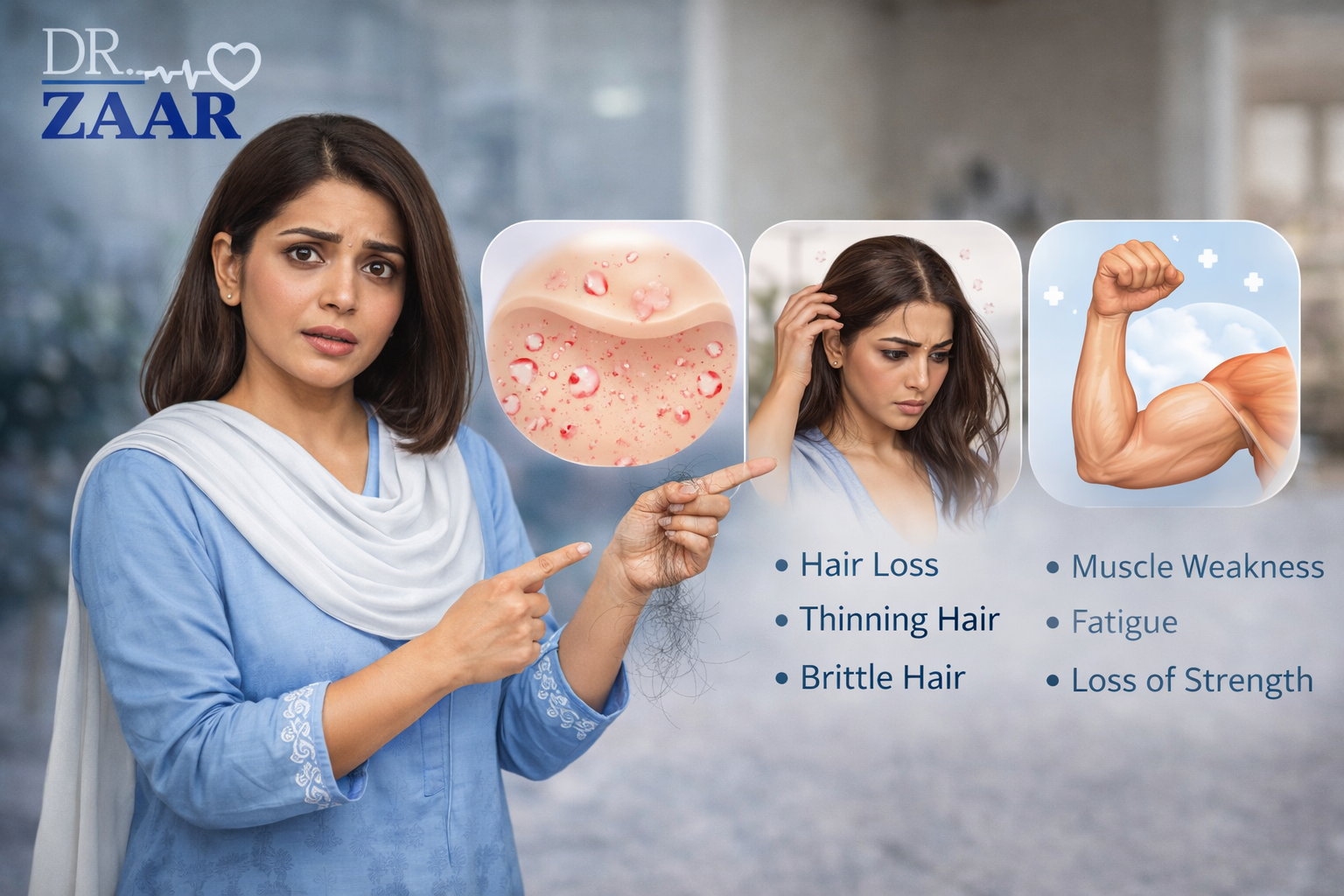
Hormones are chemical messengers in the human body that control every function in our lives. This includes our metabolism, energy levels, moods, and even our ability to reproduce. When our hormones are unbalanced, it often shows through hormonal imbalance symptoms that affect our skin, hair, and muscles. It is important to be able to identify these symptoms in order to effectively treat them.
At the best endocrine clinic in Lahore, Dr. Zaar is an experienced practitioner who specializes in the treatment and diagnosis of hormone disorders in adults.
Understanding Hormonal Imbalances
Hormonal imbalances occur when there is an excess or deficiency of certain hormones produced by the endocrine system. Some of the common causes of hormonal imbalances include:
Aging, menopause, and andropause
- Thyroid problems
- Diabetes and insulin resistance
- Adrenal gland problems and pituitary gland problem
- Chronic stress and other lifestyle factors
Hormonal imbalance symptoms may include fatigue, moodiness, low energy levels, and unexpected weight gain or loss.
To effectively evaluate a hormonal imbalance, an endocrine health checkup is necessary to identify the underlying causes of hormonal imbalances. This way, it is easier to effectively address hormonal imbalances to avoid future complications in skin, hair, and muscle health.
Hormonal Imbalances and Skin Health
The skin is often the first sign of a hormonal imbalance. Hormonal-related skin problems can differ depending on the hormones involved.
Adult Acne and Breakout
Androgen overproduction can lead to overactive sebaceous glands, resulting in adult acne. This is more common in women with PCOS or other androgen-related problems.
Dry, Thinning, or Premature Aging Skin
A deficiency in estrogen, progesterone, and thyroid hormones can lead to dry, wrinkling, and thinning of the skin. This can result in wrinkles, fine lines, and dryness.
Hyperpigmentation
Unstable hormone levels can lead to melasma, or an irregular pigmentation of the skin, in both men and women. This is often seen on the face or neck.
Hair Health and Muscle Health
Hormonal imbalances also affect hair growth and muscle strength.
Hair Thinning Caused by Hormones
- Thyroid hormone deficiency or an excessive amount of androgens can cause thinning of hair or even hair loss.
- Menopause and menopause can lead to thinning of hair and slow down hair growth.
Muscle Loss Caused by Hormones
- Reduced growth hormone or testosterone leads to muscle weakness and loss of muscle mass.
- Thyroid and adrenal dysfunction can further accelerate muscle degradati
Thyroid and adrenal problems can speed up muscle loss. Dr. Zaar can provide specific treatments for the specific hormonal problems, which can help restore hair growth and muscle strength.
Other Common Hormonal Imbalance Symptoms
Hormonal imbalance symptoms may also affect other body parts, such as the skin, hair, and muscles. It is important to be aware of these symptoms in order to evaluate them properly.
General Physical and Emotional Symptoms
Fatigue or low energy is a common symptom experienced by people suffering from hormonal imbalance. Many people also experience emotional instability due to an imbalance in hormones that affect the brain.
Reproductive and Metabolic Symptoms
Hormonal imbalance symptoms may also affect women’s reproductive health. Women may experience irregular menstrual cycles or low libido due to hormonal imbalance. Similarly, men may also be affected due to hormonal imbalance in the reproductive system. Moreover, people may also experience weight gain or weight loss due to hormonal imbalance in the metabolic system. Hormones play an important role in regulating sleep.
The “Stress-Skin” Connection (Cortisol)
Also, while you mentioned adrenal problems, specifically mention Cortisol, because Cortisol, the stress hormone, causes collagen breakdown. In a high-stress city such as Lahore, many adults experience “stressed skin,” which looks tired, dull, etc., despite getting adequate sleep.
Nutrient Synergy (The Iron & Vitamin D Gap)
In Pakistan, hormonal hair loss is often accompanied by Iron Deficiency (Anemia) and Vitamin D Deficiency. If a patient is suffering from a thyroid problem, then their muscle pain and hair loss would be twice as bad if they were suffering from low levels of Vitamin D. If you mention that Dr. Zaar looks for these “co-factors,” you would add immense value to your practice.
The “Silent” Muscle Symptom: Exercise Intolerance
Most people do not realize that if you have trouble recovering from a simple walk, or if you’re “sore for days” even after mild exercise, then you’re probably suffering from a hormonal imbalance. It’s not just about muscle loss, but about whether your muscle is actually healing or not.
The Hidden Indicators of Hormonal Shifts
Apart from these physical changes, there are some “subtle ‘Red Flags'” that are often overlooked but have a significant association with endocrine disorders in adults:
- Slow Exercise Recovery: If you are feeling extremely tired and/or sore for days after a light workout, your Growth Hormone/Cortisol levels may be interfering with your muscles’ recovery process.
- The “Collagen Crash”: When you are under a lot of stress, your body produces high levels of Cortisol, which actively breaks down your skin’s collagen. This gives your skin a “hollow” look that cannot be corrected by facials.
- The Iron-Thyroid Link: Hair loss in most people in Pakistan is a two-fold problem. A slow thyroid often coincides with low Ferritin levels in your body. Until both are addressed, your hair will not thicken.
- Night Sweats and Skin Sensitivity: Changes in your estrogen/testosterone levels may cause sudden skin sensitivity or “flushing,” especially during your sleep, resulting in tired-looking skin in the morning.
Diagnostic Approach at Dr. Zaar’s Clinic
At the best endocrine clinic in Lahore, Dr. Zaar follows a thorough diagnostic process:
- Detailed Medical History – Reviewing lifestyle, family history, and current symptoms
- Hormone Panel Tests – Evaluating thyroid, adrenal, sex hormones, and growth factors
- Physical Examination – Assessing skin, hair, and muscle changes
- Tailored Treatment Plans – Combining hormone therapy, nutrition, and lifestyle interventions
Patients are monitored continuously to ensure the treatment is effective and safe.
Treatment Options for Hormonal Imbalances
There are a number of treatment options available to treat hormonal imbalances depending on the underlying causes, severity, and health status of an individual. A combination of treatment options is recommended to achieve effective results.
Hormone Replacement Therapy (HRT)
Hormone Replacement Therapy helps to replace deficient hormones such as thyroid hormones, estrogen, progesterone, and testosterone in an individual’s body. This therapy is effective in regulating metabolism, energy levels, and overall body functions such as muscles, skin, and reproductive organs.
Lifestyle and Nutritional Support
Nutritional support plays an important role in managing hormonal imbalances in an individual’s body. A balanced diet rich in proteins, Vitamin D, and calcium is essential to maintain muscle strength, overall health, and a positive response to treatment.
Exercise and Physical Activity
Regular exercise and physical activity are essential to maintain muscle strength, regulate metabolism, and overcome fatigue associated with hormonal imbalances.
Management of the Underlying Condition
Hormonal imbalances are often associated with underlying health conditions such as diabetes, thyroid, etc. Management of such underlying health conditions is essential to overcome hormonal imbalances and maintain overall health.
Why Early Intervention Matters
Ignoring hormonal imbalance symptoms can lead to:
- Accelerated aging of skin and hair
- Progressive muscle loss and weakness
- Metabolic complications such as diabetes or obesity
- Reduced quality of life
Early consultation with a trusted hormone specialist like Dr. Zaar ensures proper diagnosis, safe treatment, and long-term prevention of complications.
Take Action Today
If you notice changes in your skin, hair, or muscle strength, as well as other symptoms of hormonal imbalance, it is important that you don’t wait too long before seeking medical advice. Consulting with Dr. Zaar, a top endocrinologist in Lahore, can be the first step towards getting the right diagnosis and treatment for your condition, so you can achieve hormonal balance, healthy skin, reduced cases of acne, wrinkles, increased hair density, strength, muscle mass, and physical vitality, among other benefits.
Related Blogs
- December 16, 2023
Sexual Disorders Comprehensive Treatments for all.
Sexual disorders: Understanding the Different Types, Causes, The diagnosis, and Successful Remedies Sexual disorders include a broad spectrum of disorders.
Read More- December 6, 2023
Lipoedema: A Persistent Condition with Potential.
Lipoedema, a persistent and often misdiagnosed condition, affects millions of individuals worldwide, predominantly impacting women. Characterized by the disproportionate and.
Read More