



Weight Loss Tablets Without Side Effects, What Patients Should Know About Safety, Effectiveness and Lasting Results

A search for a weight loss tablet without side effects usually begins with a reasonable concern: “Can I lose weight without harming my health?” Many people have tried restrictive diets, regained the weight, and become wary of medicines that promise rapid results. They want an option that works, fits their routine, and does not create a new problem.
The honest answer is that no effective weight-loss tablet can be guaranteed to have zero side effects. A medicine that changes appetite, digestion, or another bodily process can affect people differently. Some patients experience few difficulties; others cannot tolerate the same medicine. Even a product advertised as “natural” may cause adverse effects or interact with other treatments.
That does not mean medication should automatically be avoided. For some patients, an appropriately selected medicine can be a useful part of care. The important questions are whether medication is needed, which option suits the individual, what benefits are realistic, and how its effects will be monitored. A safe decision begins with assessment, not with the most convincing advertisement.
Why the Promise of “No Side Effects” Deserves Scrutiny
“Without side effects” is an attractive phrase because it seems to remove the difficult part of a treatment decision. In reality, medical decisions involve weighing likely benefits against possible harms for a particular person.
Side effects are not identical for everyone. One person may tolerate a tablet well while another develops digestive symptoms, sleep disturbance, or another problem. Medical conditions and medicines taken for those conditions can change the risk. A patient’s response may also change over time.
An honest explanation distinguishes a medicine’s possible side effects from the effects a patient actually experiences. It also explains what to do if a problem occurs. Someone who takes a treatment with no difficulties has had a good personal experience; that experience cannot establish that the treatment is side-effect-free for everyone.
Be especially careful when a seller guarantees effortless fat loss while claiming there are no risks, no need to discuss other medicines, and no reason for follow-up. Those promises remove the very information patients need to make an informed choice.
A Tablet Cannot Answer Every Weight-Loss Question
Weight gain can reflect several influences acting together. Food portions, sugary drinks, limited movement, inadequate sleep, stress, age, certain medicines, and changes in health may all matter. Two people with the same weight may need different plans.
A tablet does not reveal why someone eats heavily late at night, why activity has decreased, or whether an existing condition needs attention. Nor does it teach a person how to manage meals during travel, long workdays, or family occasions. Medication may help a suitable patient, but it works within a broader plan.
This distinction is useful when weight has repeatedly returned after dieting. The problem may not be a lack of willpower or a failure to find the right pill. The earlier plan may have been too difficult to maintain. A better assessment asks what happened when normal life resumed and what support would make the next approach sustainable.
Who Might Need a Medical Assessment Before Choosing a Tablet?
A weight-management consultation is about more than confirming a number on a scale. A clinician may consider weight history, waist measurement, eating patterns, physical activity, sleep, symptoms, existing diagnoses, and current medicines. Depending on the circumstances, examination or tests may be appropriate.
A patient whose weight has gradually risen during years of sedentary work may need a different approach from someone reporting an unexplained, recent change. Another patient may have already made consistent lifestyle changes and want to discuss whether medicine could provide additional help.
The assessment should also establish the patient’s goal. Is the concern excess abdominal weight, a weight-related health condition, repeated regain, or difficulty managing appetite? Clear goals make it easier to judge whether a proposed treatment is useful. They also prevent the consultation from becoming a search for a tablet simply because a tablet sounds convenient.
What Oral Weight-Loss Medicines Actually Do
There is no single type of weight-loss tablet. Different medicines act through different mechanisms. Some influence appetite or feelings of fullness; others affect how much fat is absorbed from food. Their potential benefits, adverse effects, interactions, and suitability differ.
For example, orlistat reduces the absorption of some dietary fat. Because of how it works, digestive effects can occur, including oily stools, more frequent bowel movements, or urgency. This makes it a clear example of why a tablet cannot honestly be described as free of side effects. Its use also needs to be considered alongside diet, other medicines, and the patient’s circumstances. The NHS information on orlistat describes these common effects.
Other oral treatments have different precautions. A person should therefore avoid judging all weight-loss tablets by a friend’s experience with one product. The correct discussion concerns a specific medicine for a specific patient, including what benefit is expected, what problems to watch for, and when to reassess treatment.
Does an Herbal Label Make a Slimming Tablet Safer?
No. “Herbal” describes how a product is marketed or where some ingredients come from; it is not proof that the product is safe, effective, or free from drug interactions.
Some slimming products contain stimulants or combinations of ingredients that are difficult to evaluate from an advertisement. More concerningly, products sold as supplements have sometimes been found to contain undeclared drug ingredients. The US Food and Drug Administration’s weight-loss product notifications warn that contaminated pills, teas, and other products may be sold both online and in stores. Absence from a warning list is not proof of safety.
Patients should bring the actual packet or a clear photograph of its complete label to a consultation. That allows the clinician to review the ingredients, manufacturer information, and any claims made on the packaging. A social-media testimonial cannot provide the same information.
“Fast Results” May Hide the Wrong Outcome
The scale can move quickly without showing how much body fat has changed. Short-term differences in water, food intake, and digestion may alter weight readings. Severe restriction can also make an early result difficult to maintain.
The more meaningful question is whether a treatment helps a patient make progress while supporting adequate nutrition, physical function, and a routine they can continue. If a tablet leaves someone unable to eat appropriately, causes persistent symptoms, or encourages them to abandon all other habits, a lower number on the scale does not tell the whole story.
A useful plan sets expectations before treatment starts. The clinician and patient can agree on what will be monitored and when they will review progress. That review should include how the patient feels and functions, as well as what the scale says.
The Role of Medication Alongside Everyday Habits
Weight-loss medicine, when appropriate, is generally considered alongside changes in eating and physical activity. It does not turn sugary drinks into harmless choices or make very large portions irrelevant. Equally, it should not be used as an excuse to impose a punishing diet.
A practical routine might involve more deliberate portions, meals that include suitable protein and produce, fewer unnecessary liquid calories, regular walking, and resistance exercise appropriate to the patient’s ability. Sleep and work schedules deserve attention because they influence when and how people eat.
These changes need to fit the person. A plan for someone who travels regularly will differ from a plan for someone who cooks at home every day. The aim is to build habits that continue if medication changes or stops. A tablet may assist the process; it cannot carry the entire process indefinitely without the patient’s participation.
Questions Worth Asking Before Starting Any Treatment
A good consultation gives the patient room to ask direct questions. What is the exact name of the medicine? Why is it being considered in this case? What improvement is realistic, and over what period will it be reviewed?
Patients should also ask about common adverse effects, serious symptoms that require medical attention, interactions with their current medicines, and whether any health condition changes the choice. They should understand how follow-up will work and what would lead the clinician to continue, adjust, or stop treatment.
The answer may be that medication is reasonable. It may also be that another concern should be assessed first, or that the patient prefers to begin with a structured plan without a tablet. An individualized recommendation should make sense to the person receiving it.
Why Your Existing Medicines Matter
A weight-loss product should never be considered in isolation from the rest of a patient’s treatment. People may already take medicines for diabetes, blood pressure, mood, sleep, or other conditions. They may also use supplements without thinking of them as medicines.
A complete medication list helps identify possible interactions and clarifies whether an existing treatment could be relevant to weight changes. Patients should include prescription drugs, over-the-counter products, herbal mixtures, and anything bought online. If the dose or product name is uncertain, bringing the packaging is helpful.
It is equally important to describe what has happened with previous weight-loss medicines. Did the treatment help appetite? Was it stopped because of symptoms, cost, lack of progress, or difficulty following the schedule? These details can prevent the same unsuccessful approach from being repeated under a different brand name.
Women Need Individual Considerations, Too
A woman searching for a side-effect-free weight-loss tablet may be facing a very different set of circumstances from another person making the same search. Pregnancy, plans for pregnancy, breastfeeding, changing routines after childbirth, and other health concerns can affect treatment choices.
It is unsafe to assume that a medicine is suitable simply because a friend used it or a seller describes it as gentle. A consultation should address the person’s circumstances before any recommendation is made. The same principle applies to supplements: “natural” does not settle questions about suitability during pregnancy or breastfeeding.
Weight management should also avoid reducing health to a single target weight. Nutrition, strength, energy, sleep, and the ability to maintain a routine are relevant outcomes. A treatment decision is better when these goals are discussed openly rather than inferred from an advertisement.
Men Should Consider More Than Abdominal Fat
Many men begin searching for tablets because they want to lose weight around the waist. A product claiming to target belly fat can sound particularly appealing. Yet a tablet cannot be selected responsibly on the basis of a waistline alone.
The wider picture may include long working hours, takeaway meals, sweetened drinks, reduced movement, poor sleep, and changes in strength or fitness. Some men also wonder whether hormones explain their weight gain. That question may deserve assessment when symptoms support it, but not every difficulty with weight loss has a hormonal cause.
An appropriate plan can address abdominal weight as part of overall weight management while paying attention to nutrition and muscle preservation. It should also account for the patient’s schedule. A recommendation that only works during one quiet week is unlikely to solve a long-standing problem.
Common Types of Sexual Health Problems and Weight Concerns
The secondary issue of Common Types of Sexual Health Problems deserves a separate, respectful discussion. Sexual concerns may involve desire, erection, ejaculation, pain, arousal, or fertility. A person can have a weight concern and a sexual health concern at the same time without one automatically explaining the other.
It would be misleading to promote a slimming tablet as a direct treatment for erectile difficulties, premature ejaculation, infertility, or low desire. These symptoms can have different causes and may need their own assessment. Likewise, someone should not assume that losing weight will resolve every sexual symptom.
Patients may hesitate to mention these concerns during a weight consultation. Bringing them up allows the physician to consider the full clinical picture and recommend appropriate next steps. The conversation should be confidential, specific, and free of exaggerated promises about what a weight-loss product can accomplish.
The Hidden Cost of Choosing a Product on Price Alone
Cost matters, especially if a treatment may continue for some time. Yet the cheapest-looking tablet can become an expensive choice if it does not work, produces troublesome symptoms, or has an unclear source.
Patients should consider the complete cost of a plan: the medicine itself, any appropriate assessment, follow-up, and the time needed to build new habits. A costly product is not automatically better, either. Price cannot replace evidence of suitability.
Be cautious of packages that require advance payment for months of treatment before an individual assessment has taken place. A patient should know what they are buying and why it was recommended. The decision is stronger when there is a clear opportunity to review results and raise concerns during treatment.
What to Monitor After Treatment Begins
Follow-up is where an initial treatment choice is tested against real experience. A patient can track weight over time, but the discussion should also include appetite, meals, activity, sleep, and any new symptoms. Depending on the person’s health, the clinician may monitor other relevant measures.
A single weight reading can be misleading. Looking at a trend makes it easier to judge progress. Waist measurement, physical fitness, and the ability to maintain a routine may add useful context. A patient who has improved everyday habits but sees slow scale movement may still need a more thoughtful review than “try harder.”
Adverse effects should be reported accurately, even when they seem embarrassing. Digestive changes, for example, are relevant to decisions about some oral medicines. Follow-up gives the patient and clinician a chance to determine whether a problem is manageable, whether the treatment needs changing, or whether another approach would be better.
Weight Loss Tips for Males, Building a Routine That Survives Real Life
The earlier article on Weight Loss Tips for Males examined why lasting progress depends on habits a man can maintain during workdays, family meals, travel, and social events. Its discussion of portions, protein, walking, strength training, sleep, and stress is directly relevant to the question of tablets. A medicine may affect appetite or another part of weight management, but it cannot organize a difficult workday or decide what someone orders at a restaurant. The article also emphasized body composition: preserving muscle and improving function matter alongside changes on the scale. For a man considering medication, these points provide a way to judge the overall plan. If a proposed tablet is presented without any discussion of food patterns, movement, recovery, or follow-up, important parts of the problem may have been left unaddressed. Sustainable treatment needs to work in the life the patient actually leads.
Weight Loss Drinks for Males, Looking Beyond the Pill Bottle
The earlier discussion of Weight Loss Drinks for Males addressed an easily overlooked source of calories: what a person drinks throughout the day. Sweetened tea, soft drinks, flavoured coffee, juices, and milkshakes can affect total intake even when meals seem moderate. Replacing some of these with water or unsweetened options may be a practical change for certain patients. The article did not present a beverage as a cure for obesity, and the same standard should apply to tablets. A “fat-burning drink” and a “side-effect-free slimming pill” both become misleading when they promise to bypass an assessment of the whole routine. Someone thinking about medicine should still examine drink choices, frequency, and portions. This does not require banning every enjoyable beverage. It means understanding how those choices fit into an individualized plan, so a potentially useful medicine is not expected to compensate for an unexamined daily habit.
Weight Loss Tips for Females: Why One Formula Cannot Fit Everyone
The previous article on Weight Loss Tips for Females considered practical eating patterns, activity, sleep, and the different circumstances women may face across life stages. Its relevance here is the need to individualize care before recommending a tablet. A treatment that appears suitable to one person may be inappropriate for another because of medical history, existing medicines, pregnancy plans, or other factors. Nutrition and movement also need to fit ordinary responsibilities rather than depend on an unrealistic schedule. The earlier article’s emphasis on gradual, maintainable changes helps frame the medication conversation: the goal is not simply to take something and watch the scale fall. It is to choose a strategy that supports health and remains workable over time. Patients deserve a clear explanation of what a proposed medicine can do, what it cannot do, and how its possible adverse effects will be handled.
What If Weight Loss Has Stopped?
A plateau can be discouraging, particularly for someone who initially made noticeable progress. It does not automatically mean the plan has failed or that a stronger tablet is needed. The first step is to review what has changed.
Portions may have gradually grown. Snacks or sweetened drinks may have returned. Activity may have fallen during a demanding period at work. Sleep may be shorter, or the patient may now weigh less than when the plan began and need a reassessment of the overall approach.
These possibilities are reasons for a careful conversation, not blame. Some patients have maintained substantial improvements despite a stable scale. Others may need a change in treatment after a proper review. A plateau is useful information when it prompts an examination of the full pattern instead of an impulsive purchase of another product.
How Dr. Zaar Approaches the Decision
Dr. Zaar’s approach to weight concerns starts with the person behind the request. A patient asking for a tablet may actually be asking why earlier attempts failed, whether a symptom has a medical explanation, or how to lose weight without sacrificing everyday functioning.
Often described as the “Sherlock Holmes of Endocrinology,” Dr. Shehrezad Faruk Zaar focuses on examining the possible connections among lifestyle, metabolic health, hormones, symptoms, and medical history. This broader view is useful when a weight concern appears alongside other problems or when a generic plan has not answered the patient’s questions.
Precision in assessment should lead to precision in advice. That may involve a structured change in habits, further evaluation when indicated, a discussion about medication, or a combination of measures. The aim is to explain the reasoning behind the recommendation and agree on a realistic way to monitor progress.
Your Consultation With Dr. Zaar
Visit the clinic: Arrive at your scheduled time. The staff will guide you through the process and help ensure a smooth experience.
Meet Dr. Zaar: Sit down for a personalized consultation to discuss your weight history, current routine, health concerns, previous attempts, and whether a weight-loss tablet is appropriate for you.
WhatsApp: +92-321-9700-700
Address: 32 A, Lawrence Road, Lahore
Bringing a list of current medicines and supplements, along with the packaging of any slimming product you have used or are considering, can make the discussion more productive.
Frequently Asked Questions
Is there any weight loss tablet without side effects?
No tablet can be guaranteed to cause no side effects in every person. Some patients may tolerate a particular medicine well, but the decision should account for possible adverse effects, medical history, and other treatments.
Does “natural” mean a slimming tablet is safe?
No. Natural ingredients can have effects and interactions, and some products marketed as supplements have contained undeclared drug ingredients. Check the product with a qualified healthcare professional before taking it.
Can I take a tablet just to lose belly fat?
A product cannot reliably promise to remove fat from one selected body area. Abdominal weight concerns are better addressed through an assessment of overall weight, health, and routine.
Will medication work if I do not change my eating habits?
Medication may help an appropriate patient, but it is generally used as part of a broader weight-management plan. Food choices, portions, activity, and follow-up remain relevant.
Should I stop a tablet if I experience a side effect?
Contact the prescribing clinician for advice about a new or troublesome symptom. Seek urgent medical care for a severe reaction. The right response depends on the medicine and what has happened; do not simply switch to an unverified alternative.
Can a weight-loss tablet treat sexual health problems?
It should not be presented as a direct treatment for sexual symptoms. Concerns involving desire, erection, ejaculation, pain, or fertility deserve assessment in their own right.
A Safer Answer to the Original Question
The search for a weight loss tablet without side effects reflects a sensible wish to protect your health. The safest answer, however, is an honest one: no effective tablet comes with a universal guarantee of zero adverse effects.
A better goal is to determine whether medication is appropriate for you, understand its possible benefits and risks, and place it within a plan you can maintain. That plan may include changes to meals and drinks, more movement, adequate sleep, review of relevant medical factors, and follow-up that measures more than a single number on the scale.
The right treatment is not the product with the boldest promise. It is the approach whose reasoning, expectations, and monitoring you understand—and whose benefits are worth its risks in your individual circumstances.
Related Blogs

- September 26, 2026
Weight Loss Medicine for Female Patients,.
A woman searching for weight loss medicine for female patients may be asking several questions at once. Why has weight.
Read More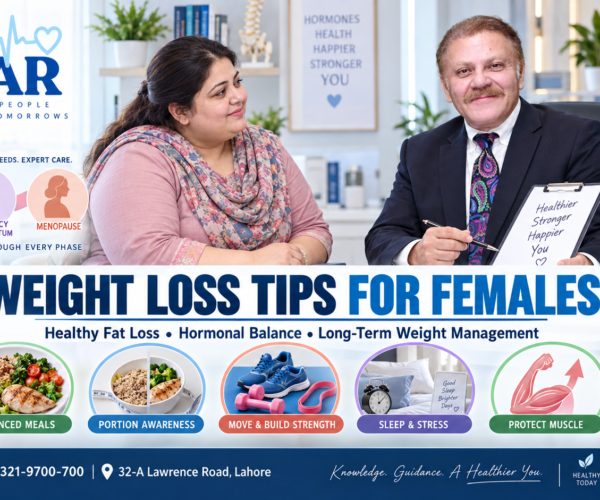
- September 12, 2026
Weight Loss Tips for Females, Effective.
Weight management can be a different experience for every woman. Although the basic principle of maintaining an appropriate balance between.
Read More