Gestational Diabetes Diet Tips for a Safe and Healthy Pregnancy

Gestational diabetes is a common condition that affects many women during pregnancy. Managing your blood sugar is essential not only for your health but also for the baby’s well-being. A gestational diabetes diet plays a crucial role in controlling blood sugar levels, providing essential nutrients, and maintaining a healthy pregnancy. In many cases, consulting an expert endocrinology doctor can also help ensure proper monitoring and personalized care during this time. In this guide, we will cover a complete gestational diabetes diet plan, a gestational diabetes diet chart, and tips for maintaining a balanced lifestyle during pregnancy.
What is Gestational Diabetes?
Gestational diabetes occurs when your body cannot produce enough insulin to meet the extra needs of pregnancy, leading to high blood sugar levels. While this condition usually disappears after childbirth, if left unmanaged, it can cause complications for both mother and baby. A well-structured gestational diabetes diet is often the first line of management, combined with regular exercise and monitoring. In some cases, doctors may also recommend diabetes treatment, such as blood sugar monitoring, nutritional counseling, or medication, to keep glucose levels within a safe range during pregnancy.
Importance of a Gestational Diabetes Diet Plan
The importance of maintaining a proper diet during pregnancy in gestational diabetes includes the following reasons:
- Control of Blood Sugar: A planned diet helps to keep your blood sugar levels from rising or falling too rapidly.
- Nutritional Balance: This ensures that you and your baby obtain the necessary vitamins, minerals, and proteins that you require.
- Healthy Weight Gain: This ensures that you gain weight during pregnancy without excessive weight gain.
- Prevention of Complications: This prevents preeclampsia, high birth weight, and the possibility of developing type 2 diabetes in the future.
Thus, a gestational diabetes diet plan helps to control your disease in a safe manner while also providing your baby with the necessary nutrition.
Diet Plan for Gestational Diabetes
A successful gestational diabetes diet plan focuses on balanced meals, portion control, and timing of meals. Here’s a detailed plan you can follow:
1. Breakfast
- Option A: 1 Whole-wheat (Chakki) Roti with 2 egg whites (omlette with onions and chilies).
- Option B: Plain porridge (Oats) with a few almonds and a sprinkle of cinnamon, it helps with insulin sensitivity!
- Avoid: White bread, sugary cereals, and Parathas dripping in oil.
2. Mid-Morning Snack
- A small bowl of seasonal fruit (Guava or Apple) or 10-12 Almonds/Walnuts.
- Tip: Always pair fruit with a few nuts to slow down sugar absorption.
3. Lunch
- Grilled or Tandoori Chicken/Fish with a large bowl of fresh kachumar salad.
- A small portion of Daal or Lobia (beans) for added fiber.
- Avoid: Large servings of white rice or naan.
4. Evening Tea
- Sugar-free tea with a handful of roasted chickpeas (Bhuna Chana).
- Greek yogurt or plain curd (Dahi) with a few berries.
5. Dinner
- Steamed or stir-fried seasonal vegetables (Sabat Sabzi).
- Baked Salmon, Tofu, or Lean Beef (in moderation).
- A small bowl of brown rice or half a multigrain roti.
Gestational Diabetes Diet Chart
Creating a gestational diabetes diet chart can make daily meal planning simpler. Here’s a sample:
| Meal | Pakistani Food Options | Portion Tip |
| Breakfast | Chakki Roti + Egg Whites / Oats | 1 small Roti or 1 cup Oats |
| Snack 1 | Almonds / Guava / Apple | 10 nuts or 1 medium fruit |
| Lunch | Daal + Salad + Tandoori Chicken | 1 cup Daal, unlimited Salad |
| Snack 2 | Roasted Chana / Sugar-free Tea | 1 small bowl of Chana |
| Dinner | Sabzi + Lean Meat + Brown Rice | 1 cup Sabzi, ½ cup Rice |
How to Manage Blood Sugar with Diet and Exercise
Effectively managing gestational diabetes requires a combination of a balanced diet and safe and regular exercise. Though the main factor is a balanced diet, adding the right physical activity can also help manage blood sugar levels and improve overall health during pregnancy. Maintaining a healthy routine may also support emotional well-being, as unmanaged stress and hormonal changes during pregnancy can sometimes contribute to the causes of depression and anxiety. The following are the steps you need to take on a daily basis:
Walk After Meals
Taking a walk after each meal, especially lunch and dinner, is beneficial for managing blood sugar levels. Even a 10-15 minute walk is beneficial for lowering blood glucose levels.
Hydration is Essential
Drinking at least 8-10 glasses of water a day is essential for maintaining the metabolism level and preventing dehydration. Dehydration often leads to unnecessary food cravings, which is usually a result of thirst rather than hunger.
Eat Small, Frequent Meals
Instead of taking 3 large meals a day, it is recommended to take 5-6 small meals a day. This is beneficial for maintaining the level of insulin and preventing large fluctuations in blood glucose levels.
Choose Low-GI Foods
You should include foods with a low GI, such as whole grains, lentils, and most vegetables. These foods will ensure that the level of glucose remains constant.
Include Protein and Healthy Fats
Protein sources such as chicken, fish, eggs, and tofu, as well as healthy fats such as nuts, are good for the baby. These foods ensure that the level of glucose remains constant. In addition, they promote the development of the fetus.
Avoid Hidden Sugars
You should avoid foods that contain hidden sugars. Fresh fruit juices, for instance, contain sugars that can cause harm to the baby. Fresh fruit juices, even when unsweetened, contain a lot of fructose. Therefore, you should avoid them.
Incorporate Safe Exercise
Prenatal yoga can help to promote relaxation, improve circulation, and increase flexibility. In addition, resistance exercise can ensure that the muscles use the glucose properly. However, you should seek advice from a doctor before you begin any form of exercise.
Foods to Include in the Diet
Vegetables: Spinach, Broccoli, Carrots, Bell Peppers
Fruits (Low GI): Apples, Pears, Berries, Oranges
Whole Grains: Brown Rice, Oats, Quinoa, Wheat Bread
Proteins: Chicken, Fish, Eggs, Tofu, Lentils
Healthy Fats: Olive Oil, Avocado, Nuts, and Seeds
Foods to Avoid
- Sugary Drinks and Sodas
- White Bread, Pastries, and Other Products Made of White Flour
- High Sugar-Content Snacks and Desserts
- Fried and Processed Foods
By avoiding these, you can prevent blood sugar spikes and control gestational diabetes better.
Final Steps Toward a Healthy Delivery
By controlling gestational diabetes, you are gaining control of your pregnancy experience. You are directly ensuring a healthy baby and a long and healthy life for yourself. As they say, “a little today, a lifetime tomorrow.
Take Control of Your Health Today
Are you having trouble managing your blood sugar levels? Do you need a personal nutrition plan? Expert advice is just a click away. Do not risk your pregnancy health by chance. Take the first step today. Book a Consultation with Dr. Zaar in Lahore to begin your journey to a safe and healthy delivery.
Related Blogs

- March 24, 2026
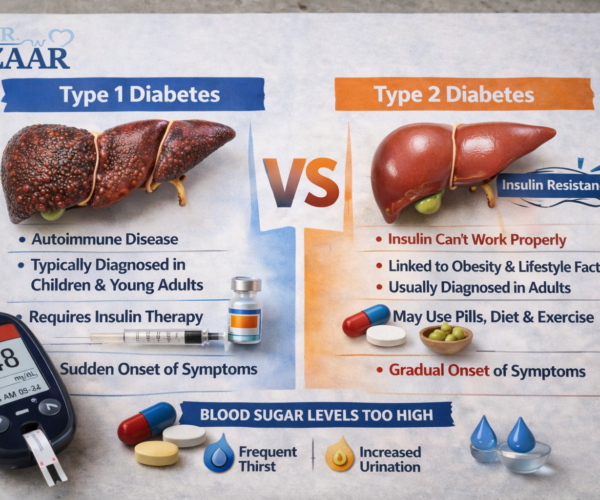
Difference Between Type 1 and 2.
Diabetes is a long term disorder where the body becomes insensitive to process sugar (glucose). Although the term diabetes is.
Read More
- January 30, 2026
How Strength Training and Nutrition Improve.
Muscle loss is not only a matter of appearance as we age but it has direct health consequences. Not everyone.
Read More