
Difference Between Type 1 and 2 Diabetes Symptoms and Causes
Diabetes is a long term disorder where the body becomes insensitive to process sugar (glucose). Although the term diabetes is household to many people, not as many understand the difference between type 1 and 2 diabetes. The distinction is also significant to know to diagnose it in its early stages, treat it, and manage it in the long-term.
The two are conditions that are characterized by high concentration of blood sugar, however, they differ notably in their causes, symptoms and treatment methods. These differences can be used to understand how individuals make informed choices concerning their health and seek medical attention in time.
What is Type 1 Diabetes?
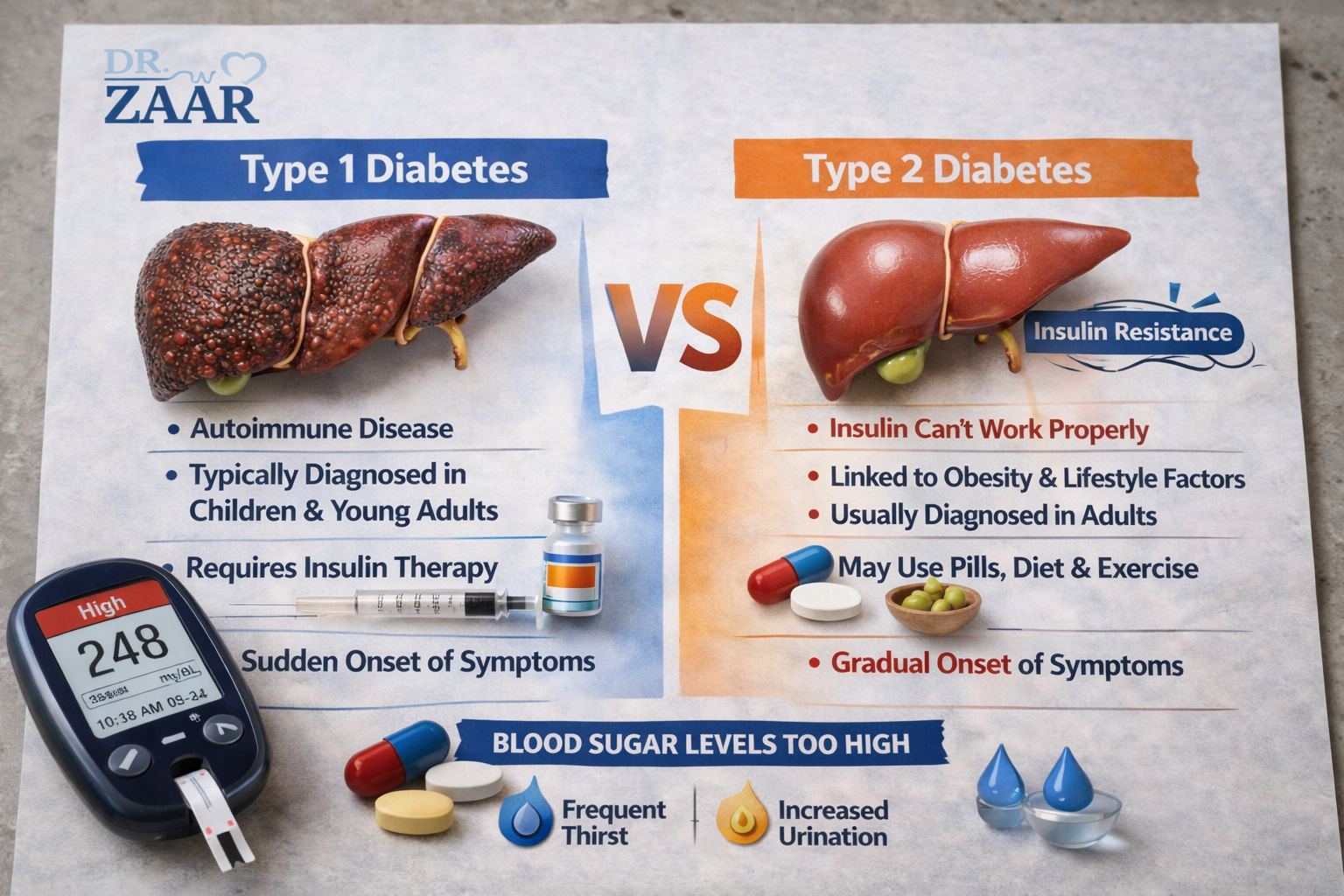
Type 1 diabetes is an autoimmune disorder where the immune system of the body attacks the insulin production cells located in the pancreas. This leads to insulin resistance and the body produces no or very little insulin, a situation that necessitates the use of insulin to survive.
Causes of Type 1 Diabetes
Autoimmune reaction is the primary cause of type 1 diabetes. It may also be developed in genetic factors and environmental triggers like viral infection.
Symptoms of Type 1 Diabetes
The symptoms typically show up abruptly and may become severe in a short period of time. As in most cases, one of the main symptoms is excessive thirst, frequent urination, sudden loss of weight, fatigue, and blurred vision.
Risk Factors of Type 1 Diabetes
There are risk factors that are a family history related to the condition, genetic predisposition, and age as the condition is mostly diagnosed in children and young adults.
What is Type 2 Diabetes?
The most widespread is type 2 diabetes that occurs when the body becomes unresponsive to insulin or lacks sufficient production of insulin. It is commonly associated with life styles and metabolism.
Causes of Type 2 Diabetes
The causes of type 2 diabetes include obesity, unhealthy diet, physical inactivity and genetics. The major cause of this condition is insulin resistance.
Symptoms of Type 2 Diabetes
The symptoms manifest progressively and can be ignored. These are fatigue, thirst, urinate frequently, wounds take a long to heal and tingling in hands or feet.
Risk Factors of Type 2 Diabetes
The prevalent risk factors are overweight, sedentary lifestyle, poor dietary habits, high blood pressure, and family history.
Key Difference Between Type 1 and Type 2 Diabetes
Understanding the difference between type 1 and type 2 diabetes becomes clearer with a direct comparison:
| Feature | Type 1 Diabetes | Type 2 Diabetes |
| Cause | Autoimmune destruction of insulin-producing cells | Insulin resistance |
| Onset | Sudden | Gradual |
| Age Group | Children and young adults | Adults (increasing in youth) |
| Insulin Production | Little or none | Reduced or ineffective |
| Treatment | Insulin therapy required | Lifestyle changes + medication |
Common Symptoms of Diabetes
Early symptoms are also significant to identify them in time and treat the disease.
Frequent Urination: This is due to increased blood sugar levels, which make the kidneys produce more urine.
Over thirst: The loss of fluid through urination causes one to be constantly thirsty.
Fatigue and Weakness: The lack of energy is caused by the inadequate usage of glucose.
Blurred Vision: The high level of sugar can have an interim impact on the eyesight.
Unaccountable Changes in weight: Rapid changes of weight can be either weight loss or weight gain as a result of metabolic imbalance.
Delayed Filling of Wounds: Blood sugar levels are high thus slows down when it comes to the healing process in the body.
Treatment and Management Options
Treatment of diabetes needs a balance of medical therapy and lifestyle changes, ideally guided by the best diabetologist in Lahore to ensure effective and personalized care.
Insulin Therapy: This is necessary in type 1 diabetes and at times type 2 diabetes of an advanced nature.
Nutritious Meals: Proper nutrition causes the blood sugar to be in check.
Exercises: Makes insulin more sensitive and helps to control weight.
Medications: Oral medications are used to manage blood sugar in diabetes type 2.
Blood Sugar Testing: Frequent monitoring is an effective way to avoid the development of complications.
Untreated Diabetes Complications
Otherwise, diabetes may result in severe health issues:
- Heart disease
- Kidney damage
- Nerve damage (neuropathy)
- Vision problems
- Foot complications
These risks can be mitigated by early diagnosis and appropriate management.
A Prevention Guide to Type 2 Diabetes
Type 1 diabetes is a disease that cannot be prevented, but type 2 diabetes can often be postponed or avoided through professional services of diabetes treatment, ensuring proper guidance and management.
- Maintain a healthy weight
- Have a low-sugar and balancing diet.
- Stay physically active
- Avoid sedentary lifestyle
- Check the level of blood sugar.
When to See a Doctor
When you start feeling very thirsty, frequently urinating, or feeling tired with no reason to explain such a condition, it is better to consult the doctor. Complications can be prevented by early diagnosis and can enhance health outcomes in the long term. In case these symptoms continue, it is possible to address a competent specialist such as Dr. Zaar to diagnose and treat diabetes in time.
To manage and prevent the prevalent diabetes type, it is necessary to understand the distinction between type 1 and type 2 diabetes. Whereas type 1 diabetes is an autoimmune disease that needs insulin treatment, type 2 diabetes is usually associated with lifestyle and can be controlled through good care.
Through awareness of signs and symptoms, knowledge of the cause and proper management regimen, people with diabetes are able to live healthy and active lives despite their condition. In case you have any symptoms of diabetes or require the help of a professional, visit Dr. Zaar, a specialist in diabetes in Lahore, and receive an individual approach and the best treatment. Make your appointment today and become in control of your health and avoid complications in the future.
Related Blogs

- January 30, 2026
How Strength Training and Nutrition Improve.
Muscle loss is not only a matter of appearance as we age but it has direct health consequences. Not everyone.
Read More- January 1, 2024
Diabetes in Children
Outline of the Article Introduction to Blood Sugar Disorders in Children Understanding Blood Sugar Disorders Incidence in Youngsters Types of.
Read More