


How to Treat Hormonal Imbalance for Better Health and Energy
- By VDM
- 4
- Uncategorized
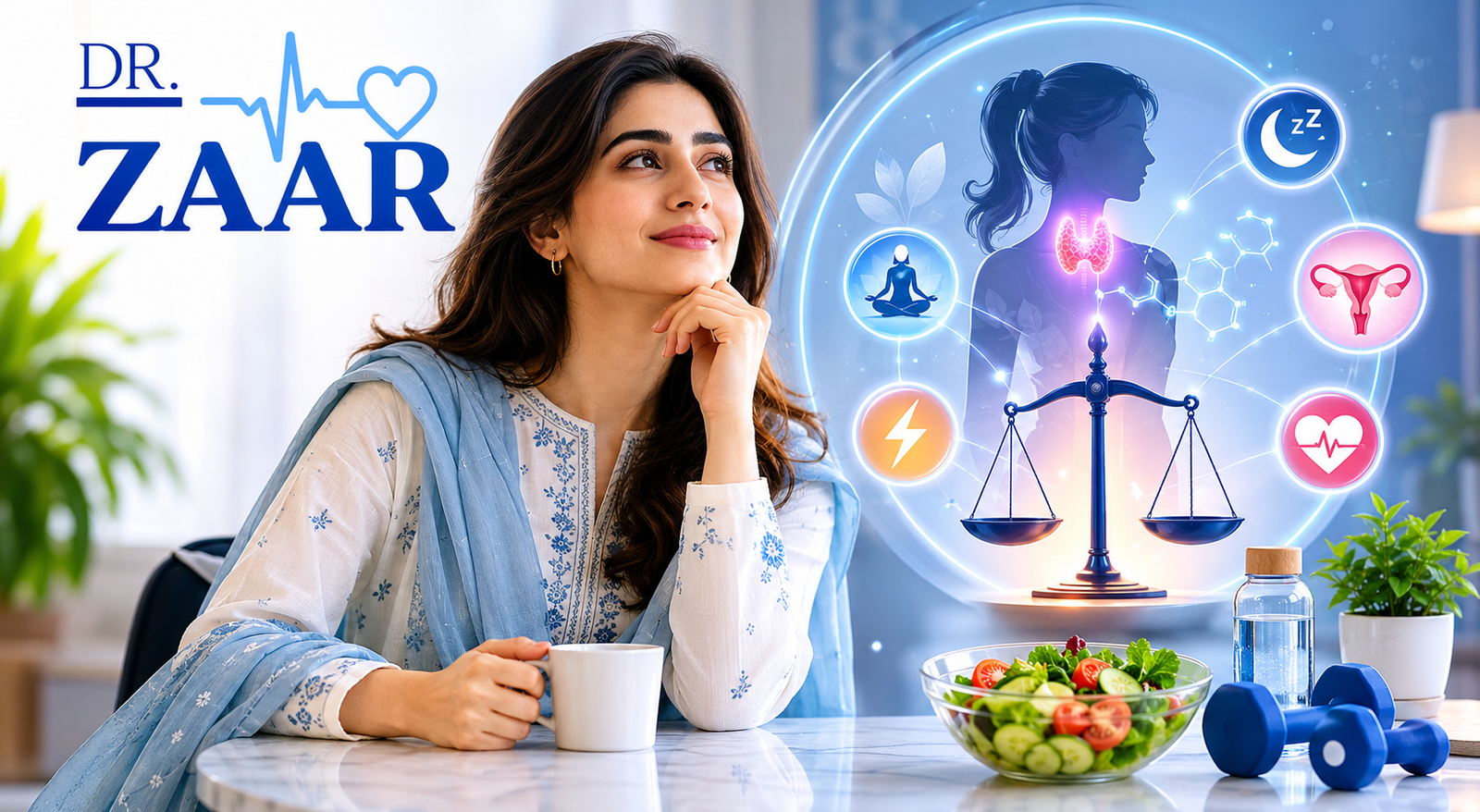
Hormones control numerous processes within the body, including metabolism, moods, sleep patterns, energy levels, reproductive functions, and weight management. The body tends to show several signs when hormone levels are unbalanced. People have to know how to treat hormonal imbalance since hormone disorders can cause symptoms like exhaustion, irritability, excessive weight gain or loss, irregular menstruation, lack of sexual desire, and other complications. Knowing how to treat hormonal imbalance will assist in managing these disorders naturally and through medical procedures.
There is a need to know about the causes of hormonal imbalance as it will determine the right course of treatment. Stress, thyroid disorders, menopause, polycystic ovarian syndrome, diabetes, dietary issues, and lifestyle factors can trigger hormone imbalances. One should learn how to treat hormonal imbalance in order to increase his/her energy levels, moods, metabolism, among others.
What Is Hormonal Imbalance?
This happens when there is too much or not enough of a certain hormone in the body system. Any small change in the level of hormones causes great effects on the whole body because hormones play very important roles in the body system.
Common endocrine glands that are usually involved include:
- thyroid gland
- pituitary gland
- adrenal glands
- pancreas
- ovaries/testes
If these glands become faulty in functioning, symptoms of hormonal imbalance will occur gradually or abruptly. Learning how to treat hormonal imbalance requires identifying which hormone is affected.
Symptoms of Hormonal Imbalance
There may be differences in the symptoms of hormonal imbalance depending on the gland involved and hormone levels for both males and females.
Physical Symptoms
- Unusual weight loss or gain
- Excessive tiredness
- Loss of body hair
- Acne or skin problems
- Weakness of muscles
Emotional Symptoms
- Mood swings
- Anxiety and depression
- Irritability
- Difficulty concentrating
- Inability to concentrate
Reproductive Symptoms
- Irregular menstruation periods
- Fertility problems
- Low testosterone level
- Decreased libido
It is vital to recognize these symptoms early in order to find the right treatment for hormonal imbalance.
Causes of Hormonal Imbalance
Several medical and lifestyle factors can disrupt hormone production in the body.
| Cause | Impact on Hormones |
| Chronic Stress | Increases cortisol levels |
| Poor Diet | Affects insulin and metabolism |
| Thyroid Disorders | Alters energy and metabolism |
| PCOS | Causes reproductive hormone imbalance |
| Menopause | Reduces estrogen and progesterone |
| Diabetes | Impacts insulin regulation |
| Obesity | Disrupts hormonal balance |
| Lack of Sleep | Affects cortisol and growth hormones |
This table helps explain common causes associated with how to treat hormonal imbalance successfully.
Treat Hormonal Imbalance Naturally
The importance of making lifestyle changes cannot be overlooked when regulating hormones.
Healthy Diet
Consumption of a well-balanced diet that is high in proteins, fiber, vitamins, and fats promotes the natural production of hormones. Too much sugar consumption should be avoided as it disrupts insulin levels.
Regular Exercise
Exercising regularly has benefits such as increased metabolism and stress management. Regular exercise helps in the maintenance of a healthy body weight.
Stress Reduction
Stress has been known to increase cortisol levels, thereby impacting several other hormones. Relaxation and adequate sleep promote healthy hormonal functions.
Quality Sleep
Sleep has a positive impact on the regulation of hormones that regulate the metabolism of food, hunger levels, and energy.
It is very efficient to use these methods when seeking the solution to how to treat hormonal imbalance naturally.
Medical Treatments for Hormonal Imbalance
The treatment will depend upon the type of the hormonal disorder and level of symptoms that a person experiences.
Hormonal Therapy
Hormones might need to be replaced in case of menopause, testosterone deficiency or other thyroid disorders to balance hormones.
Thyroid Medications
Medication might be needed if a person suffers from hypothyroidism or hyperthyroidism to balance the hormones and metabolism.
Insulin and Diabetes Control
Insulin-related hormonal imbalance may require blood sugar monitoring and diabetes treatment.
PCOS and Reproductive Treatments
Women who suffer from PCOS may need hormonal treatments as well as other reproductive treatments to balance their hormones.
It is necessary to learn more about the available medical treatments when people want to treat hormonal imbalance problems.
Foods That Support Hormonal Balance
Healthy eating habits will help with the proper functioning of the hormones and decrease inflammation within the body.
- Leafy green vegetables
- Nuts and seeds
- Fatty fish rich in omega-3
- Whole grains
- Fresh fruits
- Lean proteins
- Yogurt and probiotic foods
These food items will be helpful in enhancing hormone balance and energy.
Foods to Avoid During Hormonal Imbalance
Unhealthy foods may contribute to the disruption of hormones and metabolism.
- Excessive sugar content foods
- Junk food
- Fried foods
- Caffeine
- Consumption of alcohol in excess
- Use of artificial sweeteners
Reducing these foods can improve treatment outcomes and support hormone stability.
Importance of Early Diagnosis
Hormonal problems may progress slowly and may go undetected for many years. Late diagnosis may lead to increased risks of developing conditions such as diabetes, infertility, obesity, thyroid dysfunction and mental disorders.
Blood Hormones Test: Detects hormone imbalances to diagnose endocrine disorders caused by them.
Thyroid Function Test: Determines hormone activity within the thyroid gland affecting metabolism and body weight.
Glucose Test: Detects insulin resistance and hormonal disorders associated with diabetes.
Ultrasound Scans: Reveals glandular and reproductive system abnormalities associated with hormonal imbalance.
Physical Exam and Health History Assessment: Evaluates symptoms, lifestyle and overall well-being to accurately diagnose hormonal disorders.
Early diagnosis is one of the key steps in finding out how to deal with hormonal imbalance.
Hormonal Imbalance and Obesity
Hormonal imbalances can impact metabolic rate, eating habits, and weight regulation mechanisms, causing obesity and fat buildup around the abdomen.
Hypothyroidism and Metabolism
Lower thyroid hormones can lead to reduced metabolic rate and cause unhealthy weight gain.
Insulin Imbalance and Diabetes
The imbalance of insulin can lead to over weight due to excessive fat storage, making proper treatment for weight loss important for maintaining hormonal balance and overall health.
Cortisol Imbalance and Chronic Stress
Excessive cortisol release from constant stress results in abdominal obesity and food cravings.
Related Treatment Services
- Weight management programs
- Thyroid treatment
- PCOS treatment
- Diabetes treatment
- Obesity treatment
Achieving a healthy weight will help balance hormones effectively.
When to Consult an Endocrinologist
Professional guidance is required when you have any of the following symptoms. For accurate diagnosis and care, consult the best endocrinology doctor in Lahore
- Exhaustion
- Weight loss/gain
- Menstrual cycle disturbances
- Anxiety or depression
- Loss of hair and skin issues
- Reduced sexual interest or fertility
The expert will find the cause and develop a treatment plan for restoring your hormone balance.
Hormone Therapy with Dr. Zaar
In case of any hormonal imbalances in your body, there is no need to worry because hormone therapy with the help of professionals is available to help restore your health. Consult with Dr. Zaar, a hormone specialist doctor in Lahore and a renowned endocrinologist, for expert care and treatment.
Conclusion
Knowledge about hormonal imbalance treatment will help you maintain proper metabolism, mental balance, fertility, and sufficient energy levels. All aspects including good living habits, proper nutrition, managing stress and seeking appropriate medical treatment will help you regulate hormones.
Early detection and professional treatment will allow you to efficiently control your hormonal diseases and protect yourself from their adverse effects. It is vital to know about proper treatment of hormonal imbalances with the help of professionals.
Related Blogs

- December 4, 2023
Girls’ Height Growth: Navigating the Journey.
Understanding Girls’ Height Growth In the journey of life, growth takes center stage. As parents, guardians, or individuals, curiosity often.
Read More
- May 5, 2026
Thyroid symptoms in women include early.
It is very important to know about thyroid symptoms in women since thyroid diseases affect many women and usually remain.
Read More