



Best Female Sexologist Doctor in Pakistan Lahore Islamabad Karachi - Comprehensive Guide to Female Sexual Health, Hormonal Wellness & Personalized Care
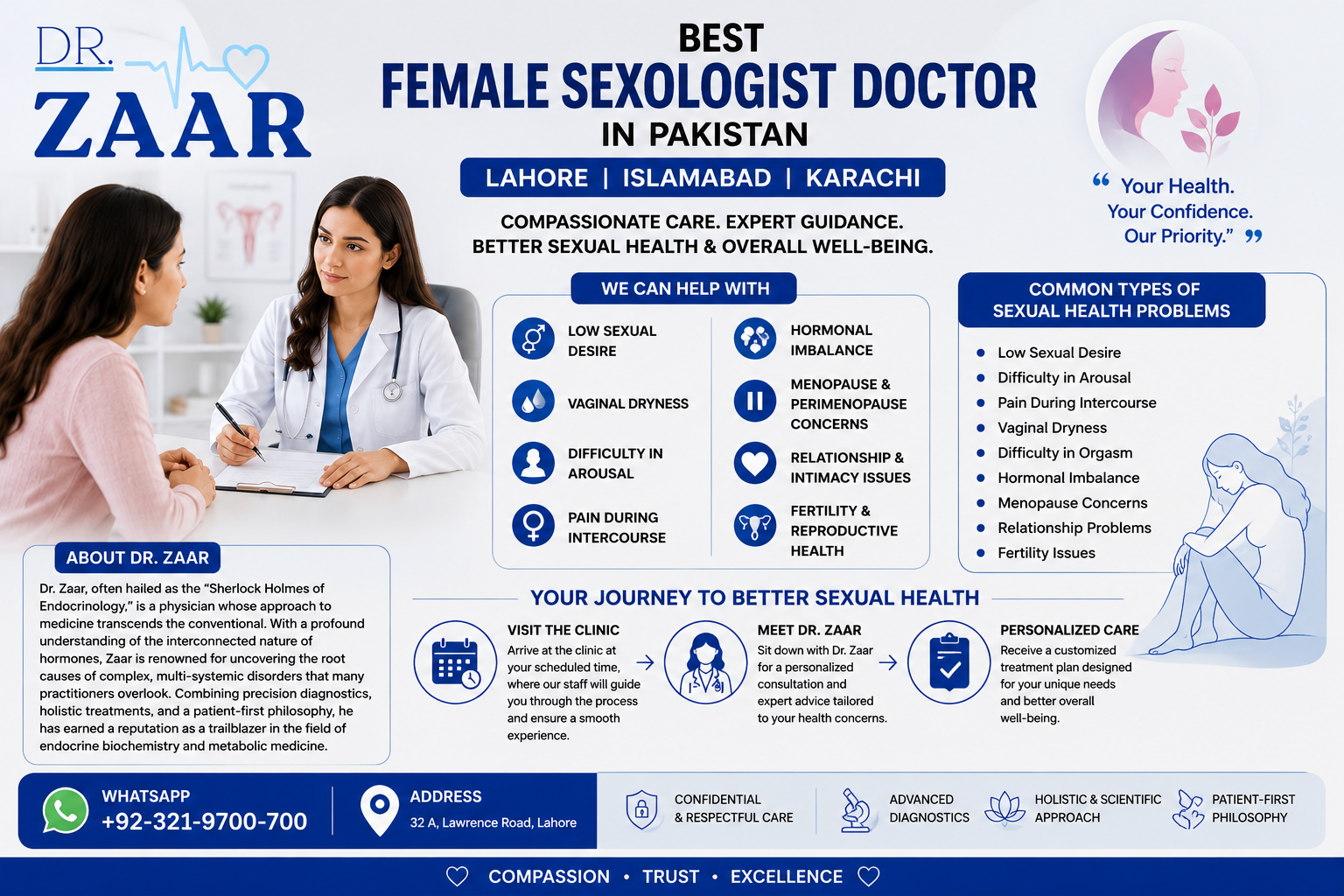
Female sexual health is an important part of overall physical, emotional, hormonal, and reproductive well-being. Yet many women experience sexual health concerns silently because they feel uncomfortable discussing intimate symptoms or do not know which medical professional to consult.
Concerns such as reduced sexual desire, painful intercourse, vaginal dryness, difficulty with arousal, sexual dissatisfaction, fertility-related concerns, hormonal changes, and anxiety surrounding intimacy can have many possible causes. These causes may involve hormones, reproductive health, medications, stress, relationship circumstances, chronic disease, metabolic health, or other medical factors.
For women searching online for the Best Female Sexologist Doctor in Pakistan Lahore Islamabad Karachi, it is important to look beyond a simple title and focus on comprehensive medical evaluation, privacy, professional communication, and individualized care.
Dr. Zaar has developed an approach to medicine that emphasizes the relationship between hormones, metabolism, reproductive health, and overall well-being. He is often described as the “Sherlock Holmes of Endocrinology” because of his focus on investigating underlying causes rather than concentrating only on visible symptoms.
This article explains female sexual health, the Common Types of Sexual Health Problems, possible contributing factors, the importance of hormonal assessment, and how a personalized medical consultation can help women understand their concerns.
Understanding Female Sexual Health Beyond Sexual Performance
Female sexual health is considerably broader than sexual activity or performance.
It can include:
- Sexual desire
- Sexual arousal
- Physical comfort during intimacy
- Vaginal health
- Hormonal well-being
- Reproductive health
- Fertility
- Emotional well-being
- Relationship satisfaction
- Sexual confidence
- Menopause-related changes
A woman may experience a sexual concern temporarily without having a medical disorder. Stress, exhaustion, pregnancy, postpartum changes, relationship difficulties, and life circumstances can all influence sexual well-being.
However, persistent or distressing symptoms should not simply be ignored.
Professional evaluation can help determine whether the problem may have a physical, hormonal, psychological, medication-related, reproductive, or combined origin.
Why Women May Delay Seeking Sexual Health Advice
Many women hesitate to discuss sexual concerns with healthcare professionals.
Some common reasons include embarrassment, cultural expectations, fear of judgment, lack of privacy, misinformation, or the belief that sexual difficulties are simply something they must tolerate.
This can lead to delayed assessment.
A woman may experience symptoms for months or years before seeking help. During this time, the concern may affect confidence, relationships, mood, and overall quality of life.
A respectful medical consultation should provide an environment where intimate health concerns can be discussed professionally.
Sexual health is healthcare.
There is no reason for a woman to feel ashamed of discussing symptoms that affect her physical or emotional well-being.
Common Types of Sexual Health Problems in Women
The term Common Types of Sexual Health Problems includes a broad range of symptoms and conditions.
Not every woman experiences the same symptoms, and the same symptom can have different causes in different patients.
Low Sexual Desire
Reduced sexual desire is one of the concerns women may discuss during a sexual health consultation.
Desire can change throughout life.
Factors that may influence libido include:
- Stress
- Anxiety
- Depression
- Hormonal changes
- Relationship difficulties
- Fatigue
- Poor sleep
- Certain medications
- Chronic illness
- Pregnancy and postpartum changes
- Menopause
- Pain during intercourse
A detailed history can help determine which factors may be relevant.
Difficulty with Sexual Arousal
Some women may experience difficulty becoming physically or emotionally aroused despite having an interest in intimacy.
Possible contributors can include psychological factors, relationship circumstances, hormonal changes, medications, fatigue, or physical health conditions.
A professional assessment should avoid assuming that one explanation applies to every patient.
Vaginal Dryness
Vaginal dryness for any patient can occur at different stages of life.
It may become more noticeable during hormonal transitions such as menopause, but it can have other causes as well.
Some medications, breastfeeding, hormonal changes, stress, and certain medical conditions may contribute.
Persistent dryness can cause discomfort and may affect intimacy.
A woman experiencing ongoing symptoms should discuss them with an appropriate healthcare professional.
Pain During Intercourse
Pain during intercourse should not simply be accepted as a normal part of being a woman.
Pain can have many possible causes, including:
- Vaginal dryness
- Infections
- Pelvic floor problems
- Hormonal changes
- Endometriosis
- Certain gynecological conditions
- Anxiety
- Previous painful experiences
- Other pelvic conditions
Because the causes vary significantly, proper assessment is important.
A woman experiencing persistent pain should receive appropriate evaluation rather than relying on self-treatment.
Hormones and Female Sexual Well-Being
Hormonal changes can influence different aspects of women’s health.
Estrogen, progesterone, thyroid hormones, and other endocrine pathways can affect reproductive and general health.
However, it is important not to assume that every sexual concern is caused by a hormone imbalance.
Hormonal assessment should be based on the patient’s symptoms and clinical circumstances.
Dr. Zaar’s background in endocrinology makes the relationship between endocrine function and broader health an important component of his clinical philosophy.
The goal is to understand the entire health picture rather than automatically prescribing hormones.
Female Sexual Health During Different Stages of Life
Women’s sexual health can change throughout life.
Adolescence and Early Adulthood
Hormonal development, body image, emotional health, education, and relationships can influence sexual well-being.
Pregnancy
Pregnancy can bring physical and emotional changes that influence intimacy.
Fatigue, nausea, hormonal fluctuations, body changes, and medical considerations can all affect sexual activity.
Postpartum Period
After childbirth, women may experience changes in desire, comfort, hormones, sleep, body image, and emotional well-being.
These changes can be temporary or may require professional support.
Perimenopause
Hormonal fluctuations during perimenopause can influence menstrual cycles, sleep, mood, vaginal comfort, and sexual desire.
Menopause
Reduced estrogen levels can contribute to vaginal dryness and other symptoms in some women.
Professional guidance can help determine appropriate management.
The Connection Between Female Sexual Health and Metabolic Wellness
Sexual health does not exist separately from general health.
Women experiencing obesity, diabetes, thyroid problems, insulin resistance, or other metabolic concerns may also experience changes affecting energy, mood, hormones, or reproductive health.
This does not mean that weight or metabolic problems are always responsible for sexual symptoms.
Rather, these factors may be relevant pieces of a larger clinical picture.
Dr. Zaar’s approach emphasizes looking for relationships between different systems of the body.
This is particularly useful when women present with multiple concerns at the same time.
How Diabetes May Affect Women’s Sexual Health
Diabetes can affect nerves, blood vessels, energy levels, and general health.
Women with diabetes may experience changes in sexual well-being for different reasons.
Metabolic health, medication effects, psychological stress, and physical symptoms may all contribute.
A woman experiencing persistent sexual difficulties alongside diabetes should consider discussing the symptoms with her healthcare provider.
Managing the underlying condition can be an important part of overall health.
Thyroid Health and Sexual Well-Being
Thyroid hormones influence metabolism, energy, mood, and many physiological processes.
Both underactive and overactive thyroid conditions can produce symptoms that influence quality of life.
A woman with sexual concerns accompanied by fatigue, weight changes, menstrual irregularities, mood changes, or other thyroid-related symptoms may benefit from medical evaluation.
This is one reason endocrine medicine can overlap with sexual and reproductive health.
Stress and Female Sexual Function
Stress is one of the most common factors capable of affecting sexual well-being.
When someone is under persistent stress, the body and mind may prioritize immediate demands over intimacy.
Stress can affect:
- Desire
- Sleep
- Mood
- Concentration
- Emotional connection
- Physical comfort
- Sexual confidence
This does not mean symptoms are “only psychological.”
Mental and physical health interact continuously.
A responsible consultation considers both when appropriate.
Relationship Factors and Intimacy
Sexual health can also be influenced by relationship circumstances.
Communication difficulties, emotional distance, unresolved conflict, or fear of disappointing a partner may affect sexual desire or satisfaction.
A medical consultation does not mean every relationship concern is a medical disorder.
However, understanding the patient’s emotional and relationship context can help provide a more complete picture.
Women should feel comfortable discussing relevant factors without fear of being blamed.
Why Personalized Assessment Is Important
There is no single treatment for all female sexual concerns.
For example, vaginal dryness associated with menopause is different from pain caused by an infection.
Likewise, reduced desire associated with severe stress may require a different approach from reduced desire associated with medication or hormonal changes.
Personalized evaluation can consider:
- Symptoms
- Age
- Medical history
- Menstrual history
- Pregnancy history
- Medication use
- Hormonal status
- Psychological factors
- Relationship circumstances
- Lifestyle
- Metabolic health
The objective is to identify the factors that are actually relevant to the individual patient.
Dr. Zaar’s “Sherlock Holmes of Endocrinology” Philosophy
Dr. Zaar is often called the “Sherlock Holmes of Endocrinology” because his medical philosophy emphasizes investigating clues that may reveal the underlying cause of complicated health concerns.
A patient may arrive with one complaint but describe several related symptoms during consultation.
For example, a woman may experience:
- Reduced libido
- Weight changes
- Fatigue
- Sleep difficulties
- Menstrual irregularities
- Mood changes
These symptoms may or may not be connected.
Rather than assuming that they all have one cause, the doctor can review the overall clinical picture and determine which possibilities deserve attention.
This investigative approach can be valuable in complex endocrine and metabolic cases.
A Confidential Approach to Sensitive Women’s Health Concerns
Confidentiality is essential when discussing intimate health.
A patient should be able to explain symptoms honestly without feeling embarrassed.
A professional consultation may involve questions about:
- Sexual desire
- Pain
- Arousal
- Menstrual health
- Medications
- Pregnancy
- Fertility
- Hormonal symptoms
- Emotional well-being
Providing accurate information allows the doctor to make better clinical decisions.
Insights From the Best Male Sexologist Doctor
The earlier article discussing the Best Male Sexologist Doctor in Pakistan Lahore Islamabad Karachi emphasized that sexual health should be approached as a genuine component of healthcare rather than a subject surrounded by embarrassment. That principle is equally important for women. Sexual health concerns may involve hormones, metabolic health, reproductive factors, psychological well-being, medications, or relationship circumstances. The main lesson is that symptoms should be evaluated according to the individual rather than automatically attributed to one cause. Dr. Zaar’s endocrine-focused philosophy similarly emphasizes understanding connections among different body systems. Whether the patient is male or female, a respectful consultation can provide an opportunity to explain symptoms openly, consider appropriate investigations, and understand possible contributing factors. This broader perspective is especially valuable when sexual symptoms appear alongside other health concerns.
Learning From the Best Weight Loss Consultant Perspective
The previous article about the Best Weight Loss Consultant in Pakistan Lahore, Islamabad, Karachi provides another relevant perspective because weight and metabolic health can sometimes intersect with hormonal and sexual well-being. Sustainable weight management is not simply about following a temporary diet. It can involve nutrition, physical activity, sleep, stress, metabolic health, medications, and underlying medical conditions. For some women, weight changes may occur alongside menstrual or hormonal concerns. This does not mean that weight is automatically responsible for sexual symptoms. Instead, it demonstrates why a comprehensive medical assessment can be useful. Dr. Zaar’s approach considers the broader health picture when appropriate, allowing individual symptoms to be investigated while also recognizing possible connections between endocrine, metabolic, reproductive, and general health.
What the Best Sexual Health Consultant Discussion Teaches Us
The previous discussion surrounding the Best Sexual Health Consultant in Pakistan Lahore Islamabad, Karachi highlighted the importance of confidentiality, individualized assessment, and professional communication. These principles are particularly relevant to women who may feel uncomfortable discussing intimate symptoms. A sexual health consultation should not be reduced to a single symptom or a predetermined treatment. The patient’s history, lifestyle, reproductive circumstances, medical conditions, medications, and emotional well-being may all provide important context. Dr. Zaar’s approach focuses on understanding the potential causes of complex presentations and providing guidance based on the patient’s circumstances. The objective is not to promise an instant solution but to create a structured medical pathway for understanding the concern and deciding what should happen next.
Female Fertility and Sexual Health
Sexual health and fertility are related but are not identical.
A woman can have normal sexual desire and still experience fertility problems.
Likewise, a woman may have fertility potential but experience pain, low desire, or other sexual concerns.
Fertility assessment may involve reproductive history, ovulation, hormonal factors, anatomical factors, and the health of both partners.
Women experiencing difficulty becoming pregnant should seek appropriate fertility evaluation rather than assuming that sexual symptoms automatically explain infertility.
Menstrual Health Can Provide Important Clues
Menstrual changes may sometimes provide useful information about overall hormonal and reproductive health.
Changes such as:
- Irregular periods
- Very heavy periods
- Missed periods
- Significant cycle changes
- New menstrual symptoms
may warrant professional evaluation depending on the circumstances.
When sexual symptoms occur together with menstrual or hormonal changes, these details may be relevant to the overall assessment.
Sexual Health and Polycystic Ovary Syndrome
Polycystic ovary syndrome, commonly known as PCOS, can involve reproductive and metabolic features.
Some women with PCOS experience irregular menstrual cycles, acne, increased body hair, weight-related concerns, insulin resistance, or fertility difficulties.
The effects differ between individuals.
A woman with PCOS who also experiences sexual health concerns should receive individualized evaluation rather than assuming that every symptom comes from PCOS.
Medications and Female Sexual Function
Certain medications may affect libido, arousal, mood, or other aspects of sexual function.
If a woman notices a significant change after beginning or changing medication, she should discuss it with her prescribing healthcare professional.
Medication should not be discontinued abruptly without appropriate medical guidance.
Reviewing medications can be an important part of a comprehensive sexual health assessment.
Lifestyle and Female Sexual Wellness
Healthy lifestyle habits support general well-being and may contribute to sexual health.
Important areas include:
Physical Activity
Regular activity supports cardiovascular fitness, energy, and general health.
Balanced Nutrition
A balanced diet supports metabolic and nutritional health.
Sleep
Poor sleep can influence mood, energy, stress, and desire.
Stress Management
Finding sustainable ways to manage stress can support psychological well-being.
Avoiding Tobacco
Smoking has negative effects on overall health and vascular function.
Lifestyle improvements should complement, rather than replace, appropriate medical care.
When Should a Woman Seek Professional Help?
Professional evaluation may be appropriate when a sexual concern:
- Persists for a prolonged period
- Repeatedly causes distress
- Causes pain
- Develops suddenly
- Affects a relationship
- Occurs alongside hormonal symptoms
- Occurs alongside menstrual changes
- Is associated with fertility concerns
- Appears after medication changes
- Significantly affects quality of life
Seeking help does not mean that a serious disorder exists.
It simply provides an opportunity to understand what is happening.
Your Clinic Visit With Dr. Zaar
WhatsApp: +92-321-9700-700
Address: 32 A, Lawrence Road, Lahore
Visit the Clinic
Arrive at the clinic at your scheduled time. The staff will guide you through the process and help make your visit organized and comfortable.
Meet Dr. Zaar
Sit down with Dr. Zaar for a personalized consultation. Explain your symptoms and concerns openly so the relevant aspects of your health can be considered.
Discuss Your Next Steps
Following assessment, Dr. Zaar can discuss possible contributing factors and appropriate next steps according to your individual health circumstances.
Frequently Asked Questions About Female Sexual Health
What are the most common female sexual health concerns?
They can include low sexual desire, difficulty with arousal, vaginal dryness, pain during intercourse, orgasm difficulties, and sexual distress.
Is low libido always caused by hormones?
No. Desire can be influenced by stress, relationships, medications, mental health, sleep, physical health, and hormonal factors.
Can menopause affect sexual health?
Yes. Hormonal changes associated with menopause may contribute to vaginal dryness, discomfort, changes in desire, and other symptoms in some women.
Can stress reduce sexual desire?
Yes. Persistent stress can influence sleep, mood, energy, desire, and sexual confidence.
Should women tolerate painful intercourse?
Persistent or significant pain facing patient should not simply be ignored. Appropriate medical evaluation can help identify possible causes.
Can diabetes affect female sexual health?
Diabetes can contribute to complications that may affect sexual well-being. Individual assessment is important.
Choosing a Specialist for Female Sexual Health
When searching for the Best Female Sexologist Doctor in Pakistan Lahore Islamabad Karachi, women should consider more than an online ranking.
Important factors include:
- Professional qualifications
- Relevant medical expertise
- Privacy
- Communication
- Comprehensive assessment
- Individualized recommendations
- Appropriate investigations
- Follow-up
- Avoidance of unrealistic promises
The best healthcare decision is one based on appropriate professional evaluation rather than marketing claims alone.
Final Perspective on Female Sexual Wellness
Female sexual health deserves the same seriousness and professionalism as any other aspect of healthcare.
Concerns involving desire, arousal, pain, vaginal health, fertility, hormones, and sexual satisfaction can affect quality of life and relationships.
The causes can be complex.
For this reason, a comprehensive approach can be more useful than assuming that every symptom has one explanation.
Dr. Zaar’s endocrine and metabolic perspective emphasizes investigating possible relationships between hormones, reproductive health, metabolic factors, and broader well-being.
Women experiencing persistent or distressing sexual symptoms should consider discussing them confidentially with a qualified healthcare professional.
WhatsApp: +92-321-9700-700
Related Blogs
- August 24, 2026
Male Sexual Problems, Common Issues, Hidden.
Male sexual problems are far more common than most people realise. Yet many men remain silent because they feel embarrassed,.
Read More
- August 12, 2026
Sexual Disorders, Understanding Causes, Symptoms, Diagnosis,.
Sexual health is an important part of overall physical and emotional well-being, yet many men and women hesitate to discuss.
Read More