



Weight Loss Tips, Sustainable Fat Loss, Healthy Eating, Exercise, Metabolic Health & Long-Term Weight Management
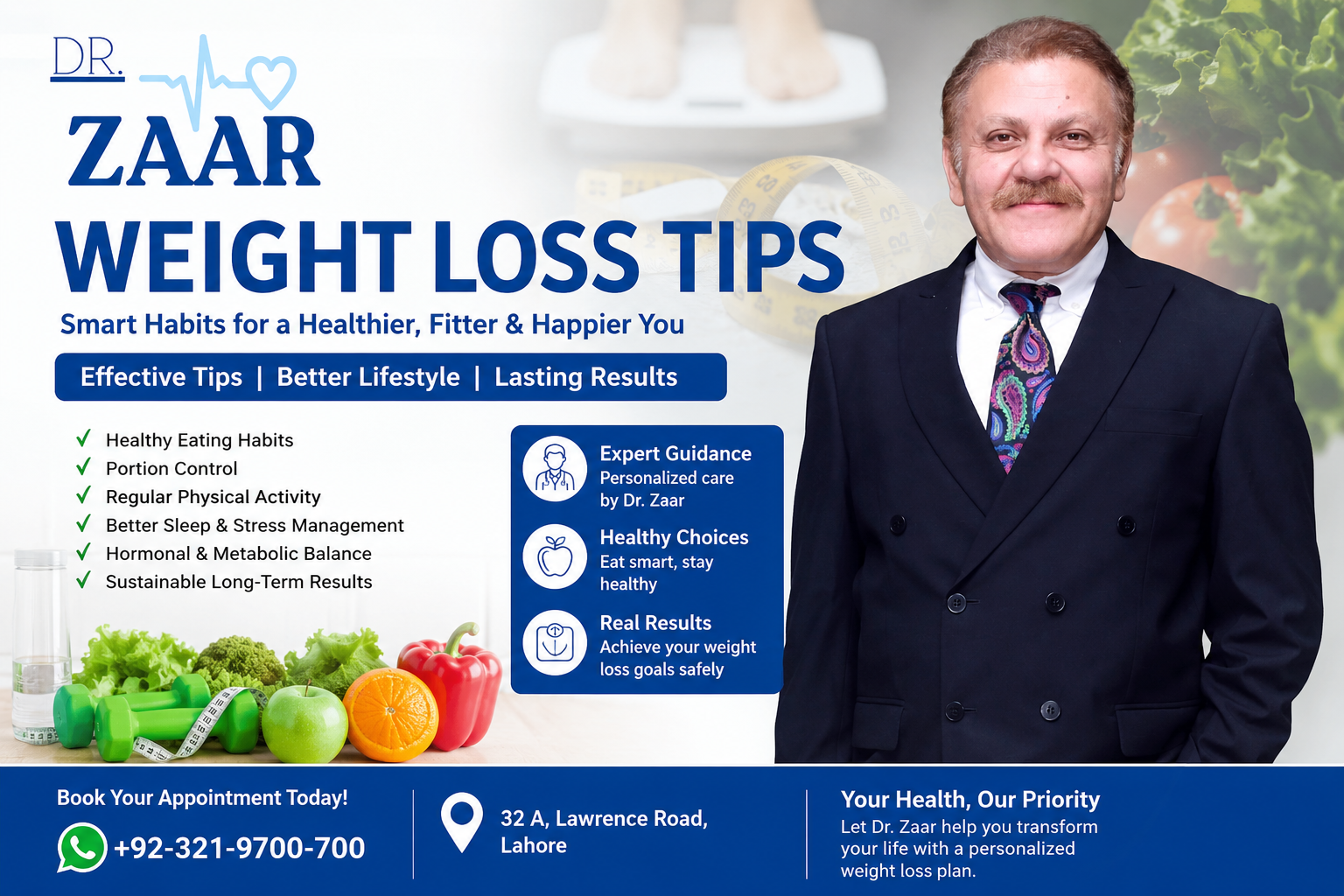
Losing weight can look simple from the outside: eat less, exercise more and watch the number on the scale decrease. In reality, sustainable weight management is much more complicated. Hunger, food choices, sleep, stress, physical activity, medications, medical conditions, age and daily routines can all influence body weight.
For anyone looking for practical Weight Loss Tips, the most useful strategy is not to follow every new diet trend. Instead, it is to build a collection of realistic habits that can be maintained for months and years.
A successful weight-loss journey should focus on reducing excessive body fat while supporting muscle, nutrition, metabolic health and overall wellbeing. Rapid changes may sometimes occur at the beginning of a program, but long-term success depends on what happens after those first few weeks.
SHEHREZAD FARUK ZAAR, often referred to as the “Sherlock Holmes of Endocrinology,” is described as having an investigative approach to complex endocrine and metabolic concerns. His philosophy emphasizes understanding the factors that may contribute to a patient’s health problem instead of assuming that every individual needs the same solution.
Whether someone wants to lose a few kilograms, reduce abdominal fat or manage obesity-related health risks, the starting point should be an appropriate and sustainable plan.
WhatsApp: +92-321-9700-700
Address: 32 A, Lawrence Road, Lahore
What Are the Most Effective Weight Loss Tips?
There is no single trick that works for everybody.
However, several principles consistently form the foundation of healthy weight management:
- Create realistic goals.
- Focus on food quality and portions.
- Eat enough protein and fiber.
- Reduce excess sugary drinks.
- Increase daily physical activity.
- Include resistance exercise where appropriate.
- Prioritize adequate sleep.
- Manage stress and emotional eating.
- Monitor progress without obsessing over daily fluctuations.
- Seek professional assessment when weight loss is unusually difficult.
The most important point is consistency.
A person who follows a moderately healthy routine for an entire year may achieve more meaningful results than someone who follows an extremely restrictive diet for three weeks and then returns to previous habits.
Start With a Realistic Weight-Loss Goal
One of the first mistakes people make is setting an unrealistic target.
Someone may decide to lose 15 or 20 kilograms as quickly as possible without considering their starting weight, medical history, lifestyle or ability to maintain the required changes.
A better approach is to establish realistic short-term and long-term objectives.
For example, goals can include:
- Improving meal consistency
- Increasing daily walking
- Reducing sugary drinks
- Improving sleep
- Building strength
- Reducing waist circumference
- Achieving gradual weight reduction
- Improving metabolic health
The scale can remain an important measurement, but it should not be the only measure of success.
A person’s energy, mobility, fitness, waist circumference and health markers may also improve even when weight changes slowly.
Weight Loss Is Not the Same as Fat Loss
Body weight consists of more than fat.
The number on the scale can change because of:
- Water
- Glycogen
- Food contents
- Muscle
- Fat
This explains why someone may lose several kilograms quickly during the first week of a restrictive diet. Some of that initial change may be water rather than body fat.
For sustainable body-composition improvement, the goal is generally to reduce excessive fat while preserving as much healthy lean tissue as possible.
This is why DR. SHEHREZAD FARUK CZAR emphasizes looking at the broader clinical picture rather than judging a treatment exclusively by rapid changes on the weighing scale.
Build Meals Around Nutrient-Dense Foods
One of the simplest weight loss tips is to improve the nutritional quality of everyday meals.
A balanced eating pattern can include appropriate portions of:
- Vegetables
- Fruit
- Legumes
- Whole grains
- Eggs
- Fish
- Chicken
- Yogurt
- Nuts and seeds
- Other protein-rich foods
Nutrient-dense foods can provide vitamins, minerals, protein and fiber while helping create satisfying meals.
This does not mean that every meal must be perfect.
The overall pattern matters of this more than one individual meal.
A person who eats a balanced diet most of the time does not necessarily need to feel guilty about occasionally enjoying a favorite food.
Pay Attention to Portion Sizes
Healthy foods can still contribute substantial calories when portions become very large.
This is especially relevant with calorie-dense foods such as:
- Oils
- Nuts
- Seeds
- Fried foods
- Desserts
- Cheese
- Sauces
- Sweetened beverages
Portion control does not necessarily mean eating tiny meals.
Instead, it means becoming more aware of how much food the body actually needs.
Using smaller serving dishes, slowing down during meals and avoiding eating directly from large packets can make portion management easier.
Increase Protein in Appropriate Amounts
Protein plays an important role in maintaining muscle and supporting satiety.
Depending on individual nutritional needs, meals can include sources such as:
- Eggs
- Chicken
- Fish
- Lean meats
- Yogurt
- Milk
- Lentils
- Beans
- Chickpeas
Protein requirements vary according to age, body size, activity level, medical conditions and other factors.
A weight-loss plan should therefore avoid blindly applying one protein target to everyone.
For people who exercise regularly, adequate protein can be particularly relevant to supporting muscle maintenance.
Eat More Fiber-Rich Foods
Fiber can help make meals more filling and can support digestive health.
Sources include:
- Vegetables
- Fruits
- Beans
- Lentils
- Chickpeas
- Whole grains
- Nuts
- Seeds
Increasing fiber gradually while maintaining adequate fluid intake can be useful.
Rather than suddenly changing the entire diet, people can start by adding vegetables to one additional meal each day or replacing some refined grains with higher-fiber alternatives.
Small changes can accumulate.
Reduce Sugary Drinks
Liquid calories are easy to overlook.
Soft drinks, sweetened juices, energy drinks, sweetened tea and other sugary beverages can add considerable amounts of sugar without providing the same satiety as a balanced meal.
For many people, reducing these drinks is a practical starting point.
Better everyday choices may include:
- Water
- Unsweetened tea
- Unsweetened coffee
- Plain or sparkling water
This does not mean every beverage must be eliminated forever.
The objective is to reduce unnecessary sources of added sugar and make healthier choices easier to repeat.
Be Careful With Hidden Calories
People often focus on obvious foods such as sweets and fast food while overlooking smaller additions.
Calories can accumulate from:
- Cooking oil
- Creamy sauces
- Dressings
- Sugary tea
- Coffee additions
- Frequent tasting while cooking
- Snacks between meals
- Large portions of nuts
- Fried garnishes
A food diary can help identify these patterns.
Writing down everything consumed for several days may reveal habits that were previously difficult to notice.
The purpose is awareness, not punishment.
Do Not Make Your Diet Unnecessarily Complicated
A successful diet does not have to contain exotic ingredients or expensive “superfoods.”
For people living in Pakistan, a healthy eating plan can often work with familiar foods.
Appropriate portions of foods such as:
- Daal
- Sabzi
- Chicken
- Fish
- Eggs
- Yogurt
- Beans
- Roti
- Rice
can potentially fit within a balanced eating pattern.
The important considerations include portion size, preparation method, overall meal composition and individual health needs.
A plan that works with someone’s household and culture is often easier to maintain than one that requires completely unfamiliar foods.
Make Walking Part of Your Daily Routine
Exercise does not have to begin with an intense gym program.
Walking is a practical way to increase physical activity for many people.
You can gradually increase movement by:
- Taking short walks after meals
- Walking while talking on the phone
- Using stairs when appropriate
- Parking farther away
- Taking movement breaks during work
- Walking with family
- Increasing daily steps gradually
People who have been inactive for a long period should increase activity progressively.
Anyone with significant medical conditions or physical limitations should discuss appropriate exercise with a healthcare professional.
Add Resistance Exercise to Support Muscle
Weight loss should not mean losing unnecessary amounts of muscle.
Resistance training can help support muscle strength and physical function.
Exercises can include:
- Bodyweight movements
- Resistance bands
- Free weights
- Weight machines
- Other appropriately supervised strength exercises
Beginners should focus on proper technique and gradual progression rather than immediately attempting heavy weights.
For older adults, strength training can also be valuable for maintaining functional independence.
Do Not Underestimate Everyday Movement
A one-hour workout does not automatically compensate for sitting for the remaining part of the day.
Daily movement matters.
Someone who spends eight or ten hours sitting may benefit from regularly standing, walking and moving throughout the day.
Simple strategies include:
- Standing during phone calls
- Walking between tasks
- Taking short movement breaks
- Doing household activities
- Choosing active transportation where practical
Increasing overall movement can complement structured exercise.
Sleep Is One of the Most Important Weight Loss Tips
Sleep is often ignored when people focus on food and exercise.
Poor sleep can make healthy habits harder to maintain.
When someone is exhausted, they may have less motivation to exercise and may find highly palatable foods more appealing.
Aim for a consistent sleep routine whenever possible.
Helpful habits may include:
- Going to bed at a regular time
- Keeping the bedroom comfortable
- Limiting stimulating activities before bedtime
- Avoiding excessive caffeine late in the day
- Addressing persistent sleep problems
People who snore loudly, experience interrupted breathing during sleep or have significant daytime sleepiness may need professional assessment for possible sleep apnea.
Manage Stress Before It Controls Your Eating
Stress can change eating behavior.
Some people lose their appetite when stressed. Others eat more, especially highly palatable foods.
Stress-related eating can become a repeating cycle:
Stress → cravings → overeating → guilt → further stress → repeated overeating
Breaking this cycle requires understanding the trigger.
Potential strategies include:
- Walking
- Breathing exercises
- Social support
- Structured meal times
- Adequate sleep
- Hobbies
- Professional psychological support when appropriate
The objective is not to eliminate every stressful situation.
It is to develop healthier responses to stress.
Learn the Difference Between Hunger and Cravings
Physical hunger generally develops gradually.
A craving may appear suddenly and focus on a particular food.
For example, someone may not be physically hungry but strongly desire sweets after a stressful meeting.
Before eating, ask:
“Am I physically hungry, or am I responding to an emotion when see various kind of food, habit or environmental trigger?”
This simple pause can increase awareness.
It does not mean that every craving must be ignored.
Instead, it helps prevent automatic eating.
Do Not Skip Meals you like if It Causes Overeating Later
Some people believe that skipping meals is automatically beneficial for weight loss.
For certain individuals, structured meal timing may work well.
For others, skipping meals leads to extreme hunger and overeating later.
There is no need to follow a particular eating schedule simply because it is trending online.
The best meal pattern is one that supports nutritional adequacy, appetite control and long-term adherence.
Be Careful With Crash Diets
Very restrictive diets may produce rapid scale changes but can be difficult to maintain.
Potential problems include:
- Severe hunger
- Fatigue
- Reduced exercise capacity
- Nutritional inadequacy
- Loss of lean tissue
- Social difficulties
- Weight regain
A sustainable approach generally focuses on gradual lifestyle changes rather than extreme restriction.
The best diet is not necessarily the one suggested that produces the fastest initial result.
It is the one that can be maintained safely and appropriately.
Track Your Progress Intelligently
Monitoring can improve awareness.
Useful measurements may include:
- Body weight
- Waist circumference
- Clothing fit
- Exercise performance
- Daily activity
- Food patterns
- Sleep
- Blood pressure
- Blood glucose when clinically relevant
Daily body weight can fluctuate because of water, sodium, food intake and other factors.
Therefore, avoid assuming that a one-day increase means that you gained significant body fat.
Long-term trends are generally more informative.
Focus on Habits Rather Than Motivation
Motivation changes.
Some days you may feel highly motivated. Other days you may not.
A sustainable weight-management strategy should therefore rely on routines rather than motivation alone.
For example:
Instead of saying:
“I will exercise whenever I feel motivated.”
Create a routine:
“I will walk after dinner on most days.”
Instead of:
“I will never eat sweets again.”
Try:
“I will reduce how frequently I eat sweets and control portions.”
The second approach is usually more realistic.
Plan Your Meals Before You Become Extremely Hungry
When people become very hungry, they are more likely to choose whatever food is immediately available.
Planning can reduce this problem.
Useful strategies include:
- Preparing meals in advance
- Keeping healthy snacks available
- Carrying water
- Planning restaurant choices
- Eating before extremely long gaps develop
- Keeping high-calorie snack foods less accessible
Your environment can influence your eating behavior.
Changing the environment can therefore be easier than relying entirely on willpower.
Be Smart When Eating at Restaurants
Eating outside the home does not automatically ruin a weight-loss plan.
Consider:
- Sharing large portions
- Choosing grilled rather than heavily fried options where appropriate
- Adding vegetables
- Ordering water or unsweetened drinks
- Asking for sauces separately
- Eating slowly
- Stopping when comfortably satisfied
You do not have to avoid restaurants forever.
Learning how to make reasonable choices in real-world situations makes a plan more sustainable.
Avoid the “All or Nothing” Mindset
One of the most damaging thoughts in dieting is:
“I already ruined my diet, so I might as well keep eating.”
A single high-calorie meal does not erase weeks of progress.
If you overeat at lunch, you can simply return to your normal eating pattern at dinner.
One meal is not the entire journey.
Successful weight management requires flexibility.
Weight Loss Tips for Busy Professionals
Office-based work can make weight management challenging.
Long hours of sitting, workplace snacks, business lunches and irregular meal schedules can all contribute.
Practical strategies include:
- Keep water at your desk
- Take regular movement breaks
- Walk during short breaks
- Bring planned meals
- Limit routine sugary beverages
- Avoid eating automatically while working
- Schedule exercise like an appointment
Small changes can be particularly valuable when repeated every working day.
Weight Loss Tips for Families
The home environment can influence everyone.
If one family member is trying to lose weight while the rest of the household regularly keeps sugary drinks, desserts and high-calorie snacks readily available, adherence can become harder.
Family support can make the process easier.
Healthy household habits may include:
- More vegetables at meals
- Regular family walks
- Fewer sugary drinks
- Balanced meals
- Controlled snack portions
- Shared physical activities
The goal should not be to make one person feel different or restricted.
Healthy habits can benefit the entire household.
What If You Have Diabetes?
People with diabetes should approach weight loss carefully.
Changes in food intake, exercise and body weight can affect blood glucose and, in some cases, medication requirements.
A person with diabetes should not make major medication changes independently.
Weight management may include nutritional changes, physical activity and appropriate medical treatment.
The exact approach depends on:
- Type of diabetes
- Current glucose control
- Medications
- Kidney function
- Other health conditions
- Body weight
- Lifestyle
Professional guidance is particularly important when significant changes are planned.
Weight Loss and Thyroid Health
Thyroid disease is frequently blamed for weight gain.
Hypothyroidism can contribute to weight gain, but not everyone with excess weight has thyroid disease.
Symptoms that can occur with hypothyroidism may include:
- Fatigue
- Feeling cold
- Constipation
- Dry skin
- Changes in mood
- Weight gain
If thyroid dysfunction is suspected, appropriate medical assessment can determine whether it is present.
Thyroid medication should not be taken simply as a weight-loss product.
FARUK emphasizes appropriate clinical evaluation rather than assuming that every difficult weight-loss case is caused by the thyroid.
When Hormonal Assessment May Be Relevant
Hormonal disorders are specific medical conditions.
Depending on symptoms and history, a physician may consider whether evaluation of particular endocrine systems is appropriate.
Potential areas can include:
- Thyroid function
- Glucose metabolism
- Reproductive hormones
- Cortisol-related disorders
- Other endocrine pathways
Testing should be guided by clinical circumstances.
More tests are not automatically better.
The purpose of testing is to answer a relevant medical question and guide appropriate management.
Common Types of Sexual Health Problems and Weight Management
The Common Types of Sexual Health Problems can include low sexual desire, erectile dysfunction, premature ejaculation, delayed ejaculation, sexual arousal difficulties, orgasm difficulties and pain during sexual activity.
These problems have many possible causes.
However, sexual health can sometimes overlap with broader metabolic and endocrine health. Diabetes, obesity, cardiovascular risk factors, medications, psychological factors and hormonal disorders can all be relevant in selected cases.
This does not mean that weight loss automatically cures sexual dysfunction.
Instead, people experiencing both weight-related and sexual-health concerns may benefit from discussing their complete health history with a qualified physician.
CZAR takes a broader endocrine and metabolic perspective when evaluating interconnected health concerns.
Best Weight Loss Treatment in Pakistan
The previous article on Best Weight Loss Treatment in Pakistan Lahore Islamabad Karachi focused on the importance of tailoring treatment to individual circumstances. People can have different reasons for gaining weight, different medical histories and different responses to lifestyle changes. One person may primarily need nutritional adjustments, while another may require evaluation for diabetes, thyroid dysfunction, sleep apnea, medication-related weight gain or other contributing factors. The key lesson is that weight management should not automatically follow a one-size-fits-all formula. Personalized goals, appropriate monitoring and long-term maintenance are important parts of a successful strategy. For readers looking for practical weight loss advice, this approach reinforces the idea that small habits—better food choices, increased movement, improved sleep and controlled portions—can work together. DR. SHEHREZAD CZAR is presented in this context as taking an investigative approach to complex metabolic and endocrine concerns.
Do Supplements Automatically Help With Weight Loss?
The weight-loss supplement market contains countless products promising rapid fat burning.
Some products may have little evidence supporting their claims, while others can interact with medications or cause adverse effects.
Be cautious about products marketed as:
- “Fat burners”
- “Metabolism boosters”
- “Detox formulas”
- “Hormone balancers”
- “Miracle slimming pills”
A supplement should not replace evidence-based nutrition, physical activity or appropriate medical care.
If you are considering a supplement, particularly if you take medication or have a medical condition, discuss it with an appropriate healthcare professional.
Why “Detox” Diets Are Usually Misunderstood
The human body already has organs involved in processing and eliminating waste, including the liver and kidneys.
Commercial detox programs often promise rapid removal of “toxins” and dramatic weight loss.
When weight falls rapidly during a highly restrictive detox program, the change may partly reflect reduced food intake, glycogen depletion and water loss.
Instead of relying on detox products, focus on sustainable habits:
- Balanced nutrition
- Adequate hydration
- Physical activity
- Sleep
- Appropriate medical care
These strategies are considerably more relevant to long-term health.
What Happens When Weight Loss Stops?
Plateaus are common.
As body weight decreases, energy requirements can also decrease. Appetite and activity patterns may change.
A plateau does not necessarily mean the body has stopped responding permanently.
Instead, review:
- Portion sizes
- Snacking
- Sugary beverages
- Activity levels
- Sleep
- Weekend eating
- Stress
- Medication
- Adherence
If weight remains difficult to manage despite consistent efforts, professional assessment may help identify whether additional medical support is appropriate.
Weight Loss Should Protect Long-Term Health
The purpose of losing weight should not be punishment for gaining weight.
Healthy weight management should support:
- Physical function
- Metabolic health
- Cardiovascular health
- Mobility
- Confidence
- Quality of life
A patient should ideally become healthier rather than simply smaller.
This distinction changes how goals are established.
Instead of asking only:
“How quickly can I lose 10 kilograms?”
ask:
“What changes can improve my health in proper way and remain part of my lifestyle?”
When Should You Seek Professional Weight Management?
Consider professional evaluation if:
- You repeatedly regain weight
- You have significant excess weight
- Your waist circumference is increasing
- You have diabetes or prediabetes
- You have high blood pressure
- You suspect a thyroid problem
- You have persistent fatigue
- You experience excessive hunger
- You have symptoms of sleep apnea
- Your weight changed after starting medication
- You have tried several diets without lasting success
- Excess weight is affecting mobility or quality of life
- You want to explore medical weight-management options
Seeking professional support does not mean that you have failed.
It means you are taking a structured approach to a complicated health issue.
Dr. Zaar’s Investigative Approach to Weight Concerns
The description of DR. SHEHREZAD FARUK ZAAR as the “Sherlock Holmes of Endocrinology” reflects an approach centered on investigation.
A patient may arrive with a straightforward concern—weight gain—but their history may reveal several interconnected issues.
Perhaps sleep has deteriorated.
Perhaps physical activity has fallen.
Perhaps blood glucose has increased.
Perhaps appetite has changed.
Perhaps medication has been introduced.
Perhaps there are endocrine symptoms.
None of these findings should automatically be assumed to be the sole cause.
The purpose of a medical consultation is to examine the complete picture and determine which factors are clinically relevant.
This patient-first philosophy can help create a treatment strategy based on individual needs rather than internet trends.
Your Clinic Visit With Dr. Zaar
If you are looking for professional guidance about weight management, a consultation can provide an opportunity to discuss your individual concerns.
Visit the Clinic
Arrive at the clinic at your scheduled time, where our staff will guide you through the process and help ensure a smooth experience.
Meet Dr. Zaar
Sit down with DR. SHAHZAD ZAAR for a personalized consultation and expert advice tailored to your health concerns.
During the consultation, you can discuss your weight history, eating habits, activity level, sleep, medical conditions, medications and previous weight-loss attempts.
WhatsApp: +92-321-9700-700
Frequently Asked Questions About Weight Loss Tips
What is the most important weight loss tip?
Consistency is one of the most important factors. A realistic eating and activity routine that can be maintained over time is generally more useful than an extreme short-term diet.
Can I lose weight without exercise?
Dietary changes can reduce body weight, but physical activity provides important health benefits and can support weight management and muscle preservation.
Is skipping breakfast necessary for weight loss?
No. Different meal patterns work for different people. The best schedule is one that supports nutrition, appetite control and long-term adherence.
Can I eat rice of all kinds and roti while trying to lose weight?
Many traditional foods can fit into a balanced diet. Portion size, preparation, overall meal composition and individual health requirements matter.
How much water should I drink?
Fluid requirements vary by individual and circumstances. Water is generally a useful primary beverage, particularly when replacing sugary drinks.
Why am I not losing weight despite dieting?
Possible reasons include inaccurate portion estimates, reduced activity, poor sleep, stress, medication effects, metabolic conditions, adherence difficulties or an overly restrictive plan that is difficult to sustain.
Can thyroid disease cause weight gain?
Hypothyroidism can contribute to weight gain, but excess weight alone does not prove thyroid disease.
Are weight-loss supplements necessary?
No. Supplements are not automatically necessary for weight management, and some products marketed for slimming may have limited evidence or potential risks.
How quickly should I lose weight?
There is no single ideal rate for everyone. Safe and sustainable progress depends on individual health, starting weight, treatment strategy and medical circumstances.
Can stress make weight loss difficult?
Stress can influence eating behavior, sleep and activity. Managing stress can therefore be an important part of a comprehensive weight-management strategy.
Final Thoughts: Turn Weight Loss Tips Into Daily Habits
The best Weight Loss Tips are not necessarily complicated.
Eat balanced meals. Control portions. Choose nutrient-dense foods. Reduce excess sugary drinks. Increase daily movement. Include appropriate strength exercise. Sleep well. Manage stress. Monitor progress. Avoid extreme diets. And seek professional guidance when weight management becomes unusually difficult.
Most importantly, do not expect perfection.
A sustainable lifestyle allows occasional celebrations, restaurant meals and imperfect days without turning them into an excuse to abandon the entire plan.
Weight management is a long-term process.
For some people, lifestyle changes may be enough. Others may benefit from structured medical weight management, especially when obesity is associated with diabetes, hypertension, sleep apnea or other health concerns. Selected patients may also be candidates for prescription treatment after appropriate evaluation.
SHEHREZAD FARUK CZAR, DR. FARUK, DR. CZAR and DR. ZAAR are variations used in connection with the professional identity of Dr. Zaar in this content. His described endocrine and metabolic approach emphasizes investigating the individual rather than assuming that every person needs an identical weight-loss program.
The ultimate goal is not simply to reach a particular number on the scale.
It is to create a healthier relationship with food, movement and daily habits while supporting metabolic and overall health.
WhatsApp: +92-321-9700-700
Address: 32 A, Lawrence Road, Lahore
Start with one sustainable change, build another around it, and allow consistency—not perfection—to drive your progress.
Related Blogs
- September 18, 2026
Weight Loss Tips for Males, Losing.
Weight loss for men is often presented as a simple formula: eat less, exercise more, and wait for the scale.
Read More
- August 7, 2026
Best Weight Loss Program – DR:.
Weight management is one of the most discussed health topics in the modern world. Every year, millions of people begin.
Read More