



Signs of Sexual Frustration, Understanding the Physical, Emotional, and Relationship Signals
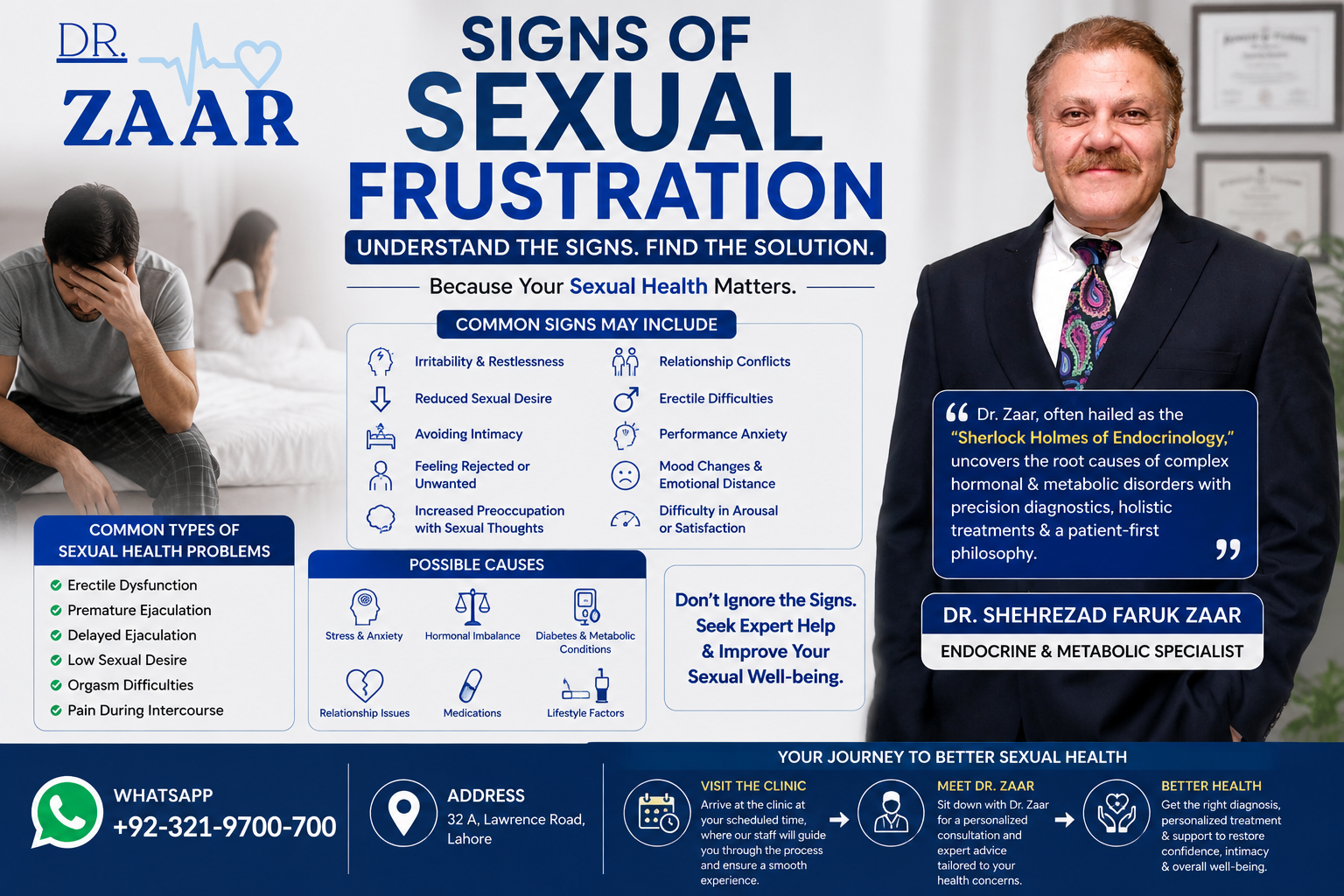
Sexual frustration can affect a person’s emotional well-being, confidence, relationships, and overall quality of life. It may develop when someone experiences an ongoing gap between their sexual needs, expectations, desires, or opportunities and what is actually happening in their life. For some people, sexual frustration is temporary and related to circumstances, stress, relationship difficulties, or lack of privacy. For others, it may persist because of an underlying sexual, psychological, hormonal, or medical concern.
Understanding the signs of sexual frustration can be an important first step toward identifying what may be contributing to the problem. Sexual frustration is not itself a diagnosis, and experiencing one or two of the signs discussed below does not necessarily mean that a person has a sexual disorder. The symptoms need to be considered in the context of the person’s health, relationships, emotional state, and individual circumstances.
Sexual concerns can also overlap with the Common Types of Sexual Health Problems, including reduced sexual desire, difficulties with arousal, erectile difficulties, ejaculation concerns, orgasm difficulties, and pain associated with sexual activity.
A professional consultation can help distinguish between temporary frustration and a persistent problem that may benefit from medical or psychological evaluation.
What Is Sexual Frustration?
Sexual frustration generally describes emotional or psychological tension that can occur when a person’s sexual needs or expectations are not being adequately fulfilled.
The experience for each individual can vary considerably.
Someone may feel sexually frustrated because of.
- A difference in sexual desire between partners
- Difficulty initiating intimacy
- Relationship conflict
- Lack of communication
- Erectile difficulties
- Difficulty becoming aroused
- Pain during sexual activity
- Delayed or absent orgasm
- Premature ejaculation
- Reduced sexual desire
- Stress or exhaustion
- Anxiety or depression
- Medication effects
- Hormonal or metabolic concerns
- Lack of opportunity for intimacy
- Concerns about sexual performance
Sexual frustration may sometimes be primarily emotional, while in other situations it can be connected to a physical or medical issue.
For that reason, it is important not to assume that every sexual difficulty has the same cause.
Why Recognizing the Signs Matters
People do not always recognize sexual frustration immediately.
Instead, they may notice changes in mood, communication, confidence, or relationship behavior.
Someone might think.
“I am simply stressed.”
Or.
“My relationship has changed.”
Or.
“I am just tired.”
These explanations may sometimes be accurate. However, persistent changes in sexual desire, arousal, performance, or emotional well-being deserve attention.
Recognizing patterns can help a person decide whether they need a conversation with their partner, lifestyle changes, psychological support, or professional medical assessment.
- SHEHREZAD FARUK ZAAR takes an investigative approach to complex health concerns, considering the possible interaction between different systems of the body rather than automatically attributing symptoms to a single cause.
Common Emotional Signs of Sexual Frustration
Sexual frustration can manifest emotionally before a person recognizes a sexual problem.
Some possible emotional signs include.
Irritability
A person may become more easily irritated or impatient.
This does not mean irritability automatically indicates sexual frustration. Stress, poor sleep, anxiety, work pressure, and many other factors can produce similar symptoms.
However, when irritability consistently occurs alongside unresolved intimacy concerns, it may be worth exploring the connection.
Restlessness
Some individuals may experience a persistent sense of dissatisfaction or restlessness.
They may feel that something is missing from their personal life without being able to explain exactly what it is.
Mood Changes
Changes in mood can accompany prolonged frustration.
A person may experience.
- Sadness
- Disappointment
- Tension
- Anxiety
- Low motivation
- Emotional sensitivity
Persistent or severe mood symptoms should be evaluated independently rather than automatically being blamed on sexual frustration.
Increased Preoccupation with Sexual Thoughts
One possible sign of sexual frustration is increased preoccupation with sexual intimacy.
A person may frequently think about.
- Sexual activity
- Intimacy
- Their partner
- Their sexual performance
- Missed opportunities for intimacy
- Whether their partner desires them
Sexual thoughts themselves are completely normal.
The concern arises when preoccupation becomes distressing, interferes with daily responsibilities, or creates significant anxiety.
It is also important to distinguish between healthy sexual desire and distress associated with unmet needs.
Feeling Rejected or Unwanted
When sexual advances are repeatedly declined, some individuals may begin to interpret the situation personally.
They may think.
- “My partner is no longer attracted to me.”
- “Something is wrong with me.”
- “I am not desirable.”
- “My relationship is failing.”
These thoughts can damage self-esteem.
However, a partner declining intimacy does not necessarily mean rejection of the person.
There can be many explanations, including.
- Fatigue
- Stress
- Hormonal changes
- Medical problems
- Emotional difficulties
- Relationship conflict
- Medication effects
- Pregnancy or postpartum changes
- Pain
- Different levels of sexual desire
Open communication can help prevent assumptions from becoming resentment.
Sexual Frustration and Relationship Conflict
Unresolved intimacy concerns can sometimes contribute to relationship tension.
A couple may begin arguing about.
- Frequency of intimacy
- Initiation
- Rejection
- Emotional closeness
- Sexual expectations
- Communication
- Trust
One partner may feel unwanted at the same time while the other may feel pressured.
This can create a cycle in which communication becomes increasingly difficult.
The problem may then become larger than the original sexual concern.
Healthy communication should avoid blame and focus on understanding each person’s experience.
Avoiding Intimacy as a Sign of a Deeper Problem
Interestingly, sexual frustration does not always result in seeking more intimacy.
Some people respond by withdrawing.
They may stop initiating affection because they fear rejection or embarrassment.
They may also avoid situations that could lead to intimacy.
This can create emotional distance between partners.
Avoidance may sometimes be related to.
- Performance anxiety
- Fear of failure
- Previous rejection
- Pain
- Low self-esteem
- Erectile difficulties
- Relationship conflict
If avoidance persists, identifying the underlying concern can be more helpful than simply focusing on sexual frequency.
Changes in Sexual Desire
Changes in libido can be an important part of sexual health.
A person may experience either.
- Lower sexual desire than previously
- Increased sexual desire associated with frustration
- Fluctuating interest
- Loss of interest in a partner
- Desire that feels difficult to manage
Sexual desire naturally changes throughout life.
Age, relationships, stress, sleep, pregnancy, menopause, medications, health conditions, and psychological factors can all influence libido.
A persistent and distressing change deserves appropriate evaluation.
Erectile Difficulties and Sexual Frustration
For men, difficulty achieving or maintaining an erection can contribute significantly to frustration.
A person may become worried about sexual performance and begin anticipating failure before intimacy occurs.
This can create anxiety.
The cycle may look like.
Difficulty → worry → performance anxiety → further difficulty → frustration
Erectile difficulties can sometimes be associated with vascular, metabolic, neurological, hormonal, psychological, or medication-related factors.
Conditions such as diabetes and cardiovascular disease can also be relevant.
Persistent erectile difficulties should therefore not automatically be treated as simply a psychological issue.
Ejaculation Concerns
Ejaculation difficulties can also contribute to sexual frustration.
Examples include.
- Premature ejaculation
- Delayed ejaculation
- Difficulty ejaculating
- Changes in ejaculation
These concerns can affect confidence and relationship satisfaction.
The occasional experience of a sexual difficulty is not necessarily a disorder.
Clinical significance depends on factors such as persistence, distress, and impact on the individual or relationship.
A healthcare professional can help determine whether evaluation is appropriate.
Reduced Arousal and Sexual Frustration
A person may want sexual intimacy but struggle to become physically or emotionally aroused.
This can be frustrating because desire and physical response do not always occur together.
Reduced arousal can be influenced by.
- Stress
- Anxiety
- Relationship problems
- Medication
- Hormonal changes
- Fatigue
- Pain
- Medical conditions
- Emotional health
Understanding the distinction between desire and arousal can help patients describe their experience more accurately during a consultation.
Pain During Sexual Activity
Pain can significantly interfere with sexual satisfaction.
When intimacy repeatedly causes discomfort, a person may begin anticipating pain before sexual activity.
This can lead to.
- Anxiety
- Avoidance
- Reduced desire
- Relationship tension
- Emotional distress
Pain during sexual activity should not simply be ignored.
Depending on the circumstances, it may require evaluation for gynecological, urological, hormonal, muscular, psychological, or other medical causes.
Sexual Frustration in Women
Women can experience sexual frustration for many different reasons.
Potential contributing factors include.
- Reduced desire
- Difficulty with arousal
- Difficulty reaching orgasm
- Pain
- Vaginal dryness
- Relationship difficulties
- Hormonal changes
- Stress
- Anxiety
- Depression
- Medication effects
Pregnancy, postpartum changes, perimenopause, and menopause can also influence sexual health.
A woman should not feel that her concerns are insignificant simply because sexual function naturally changes throughout life.
Persistent distress deserves respectful and confidential assessment.
Sexual Frustration in Men
Men may experience frustration related to.
- Erectile difficulties
- Premature ejaculation
- Delayed ejaculation
- Low libido
- Performance anxiety
- Relationship problems
- Hormonal concerns
- Metabolic conditions
Societal expectations sometimes encourage men to hide sexual difficulties.
This can delay diagnosis and appropriate support.
Seeking professional advice does not mean that someone is weak or that the problem is necessarily permanent.
Many sexual concerns are manageable once the contributing factors are understood.
The Role of Hormones in Sexual Health
Hormones play important roles in reproductive and sexual function.
Depending on the individual, relevant hormones can include testosterone, estrogen, thyroid hormones, prolactin, and others.
However, the existence of a sexual symptom does not automatically prove that there is a hormonal imbalance.
Hormonal testing should be guided by clinical history and examination rather than indiscriminate testing. SHEHREZAD FARUK CZAR emphasizes the importance of looking at the broader clinical picture when endocrine factors may be relevant.
This approach can help avoid simplistic explanations for complex symptoms.
Diabetes and Sexual Function
Diabetes can affect multiple body systems.
Long-term uncontrolled blood glucose may contribute to vascular and nerve-related complications that can affect sexual function.
Some individuals with diabetes may experience erectile difficulties or other sexual concerns.
Diabetes management therefore involves more than glucose numbers.
Healthy nutrition, physical activity, medication adherence, regular medical care, and appropriate monitoring can all contribute to overall health.
If someone with diabetes develops persistent sexual difficulties, discussing the symptoms with a healthcare professional is appropriate.
Weight, Metabolic Health, and Sexual Well-Being
Excess body weight can sometimes coexist with sexual health concerns.
The relationship may involve.
- Metabolic health
- Cardiovascular risk
- Diabetes
- Physical fitness
- Sleep
- Self-confidence
- Hormonal factors
- Psychological well-being
However, weight should never be assumed to be the sole explanation.
A comprehensive assessment can help identify which factors actually apply to the individual.
This is especially important when sexual symptoms occur alongside changes in weight, energy, glucose control, or other metabolic symptoms.
Sleep and Sexual Frustration
Sleep can influence mood, energy, stress, and overall well-being.
Poor sleep may contribute to fatigue and reduced interest in intimacy.
Some people with sleep disorders may also experience changes in sexual function.
Signs of poor sleep can include.
- Loud snoring
- Frequent nighttime waking
- Morning fatigue
- Daytime sleepiness
- Difficulty concentrating
Addressing sleep may therefore be part of a broader approach to sexual and metabolic health.
Stress and Sexual Frustration
Stress is one of the most common factors that can interfere with intimacy.
Work pressure, financial concerns, family responsibilities, relationship disagreements, and lack of sleep can all affect sexual interest.
When the mind remains focused on problems, it can become difficult to relax and engage in intimacy.
Stress management may involve.
- Regular physical activity
- Adequate sleep
- Relaxation techniques
- Time management
- Communication
- Psychological support when appropriate
Persistent anxiety or depression should receive professional attention.
Performance Anxiety
Performance anxiety occurs when someone becomes excessively concerned about sexual performance.
Thoughts may include.
- “Will I be able to perform?”
- “What if I lose my erection?”
- “What if I disappoint my partner?”
- “What if it happens again?”
These worries can interfere with sexual arousal and create a self-reinforcing cycle.
Performance anxiety can coexist with physical conditions, so it is not always appropriate to assume that the problem is entirely psychological.
A professional evaluation can help determine whether physical, psychological, relationship, or mixed factors are involved.
How Sexual Frustration Can Affect Self-Esteem
Sexual difficulties can sometimes influence how a person views themselves.
Someone may begin feeling.
- Unattractive
- Inadequate
- Embarrassed
- Less confident
- Unwanted
These feelings can become especially difficult when the person does not discuss them.
Sexual function is only one aspect of a person’s identity and worth.
Nevertheless, the emotional impact of persistent sexual difficulties is real and should be taken seriously.
Communication Can Reduce Misunderstanding
Partners may interpret sexual difficulties differently.
One person may think they are being rejected.
The other may be experiencing pain, fatigue, anxiety, hormonal changes, or another concern.
Clear communication can help.
Useful conversations can focus on.
- Feelings rather than accusations
- Physical comfort
- Expectations
- Frequency of intimacy
- Emotional connection
- Medical concerns
- Boundaries
A respectful conversation can sometimes reduce frustration even before medical treatment begins.
When Sexual Frustration May Indicate a Sexual Disorder
Sexual frustration itself does not automatically mean a person has a sexual disorder.
A clinical sexual disorder generally involves persistent symptoms that cause significant distress or difficulty in functioning, with the exact criteria depending on the condition.
Examples of sexual health concerns include.
- Erectile dysfunction
- Premature ejaculation
- Delayed ejaculation
- Female sexual interest/arousal difficulties
- Orgasm difficulties
- Genito-pelvic pain or penetration difficulties
Diagnosis should be made by an appropriately qualified professional rather than through online symptom checklists alone.
When Should You Seek Professional Help?
Consider seeking professional guidance when.
- Sexual difficulties persist.
- Symptoms repeatedly interfere with intimacy.
- There is significant emotional distress.
- Erectile problems occur repeatedly.
- There is persistent pain.
- Sexual desire changes substantially without explanation.
- Symptoms develop alongside diabetes or other medical conditions.
- You suspect medication or hormonal factors.
- Relationship conflict is becoming severe.
- You are avoiding intimacy because of fear or embarrassment.
A consultation can provide an opportunity to discuss the problem confidentially.
What Happens During a Sexual Health Consultation?
A professional consultation may involve questions about.
- The main symptoms
- When they began
- How often they occur
- Medical history
- Medications
- Lifestyle
- Sleep
- Stress
- Relationship circumstances
- Sexual history when clinically relevant
Depending on the situation, physical examination or laboratory investigations may be considered.
Not everyone requires extensive testing.
The appropriate evaluation depends on the symptoms and clinical history.
Why Self-Medication Can Be Risky
People experiencing sexual frustration may be tempted to purchase medication or supplements without professional guidance.
This can be problematic because sexual symptoms can have different causes.
An inappropriate medicine may.
- Produce side effects
- Interact with existing medication
- Mask an underlying condition
- Be unsuitable for certain medical conditions
Products sold online may also vary considerably in quality.
Professional assessment is safer than relying solely on unverified treatments.
What “Types of Sexual Disorders” Can Teach Us About Persistent Symptoms
The earlier article “Types of Sexual Disorders” explored the different categories of sexual difficulties and emphasized that sexual health problems can involve desire, arousal, orgasm, ejaculation, erection, or pain. That discussion is relevant to understanding sexual frustration because frustration may develop when one of these concerns persists and affects an individual’s expectations or relationship. A person experiencing frustration should not immediately assume that they have a formal disorder, because occasional difficulties are common and can occur during periods of stress or fatigue. DR. CZAR takes an individualized approach in which symptoms are considered within the wider context of the person’s health. Recognizing the type of difficulty can help determine whether further assessment may be appropriate. Understanding sexual disorders also helps reduce stigma. Sexual health concerns are medical and psychological issues that can be discussed respectfully and confidentially. Early recognition may encourage people to seek appropriate guidance rather than remaining embarrassed or relying on unverified treatments.
Lessons from “Best Sexual Health Specialist in Pakistan Lahore Karachi Islamabad”
The previous article “Best Sexual Health Specialist in Pakistan Lahore Karachi Islamabad” focused on the importance of finding appropriate professional guidance when sexual concerns become persistent or distressing. That concept is directly relevant to signs of sexual frustration. Frustration can sometimes be the emotional result of an unresolved sexual health concern, while in other cases it may arise primarily from relationship expectations, stress, or differences in sexual desire. DR. SHAHZAD ZAAR emphasizes looking beyond the obvious symptom when evaluating complex health concerns. A professional consultation can help explore whether medical, hormonal, metabolic, psychological, medication-related, or relationship factors may be contributing. This does not mean that every patient needs extensive testing or medical treatment. Instead, the purpose is to understand the individual’s circumstances and identify appropriate next steps. Confidential communication is particularly important because embarrassment can prevent people from describing their symptoms accurately and seeking help at an earlier stage.
How “Common Types of Sexual Health Problems” Connect With Sexual Frustration
The earlier discussions of Common Types of Sexual Health Problems provide useful background for understanding why sexual frustration can develop. Problems involving desire, arousal, erection, ejaculation, orgasm, or pain may interfere with intimacy and create emotional tension. However, symptoms should be interpreted individually rather than assuming that every difficulty represents the same condition. For example, one person may experience frustration because of erectile difficulties, while another may feel frustrated because of a significant difference in sexual desire between partners. DR. FARUK approaches complex health concerns by considering possible connections between endocrine, metabolic, physical, emotional, and lifestyle factors. This broader perspective can help patients understand that sexual health is part of overall health rather than an isolated topic. When symptoms persist, professional assessment may help clarify the underlying issue and determine whether medical treatment, psychological support, relationship counseling, lifestyle changes, or a combination of approaches could be appropriate.
Healthy Ways to Respond to Sexual Frustration
Once a person recognizes sexual frustration, several constructive steps may help.
Communicate Honestly
Talk with your partner about feelings and concerns without assigning blame.
Consider Your Overall Health
Think about sleep, stress, physical activity, medications, chronic conditions, and lifestyle.
Avoid Unverified Treatments
Do not assume that supplements or online products are safe.
Seek Professional Assessment
Persistent symptoms deserve appropriate medical attention.
Address Relationship Factors
If communication or emotional connection is contributing to the problem, couples counseling may sometimes be beneficial.
Sexual Frustration Does Not Define Your Health
Sexual frustration can be uncomfortable, but it is not something that a person needs to hide.
Sexual desire naturally varies between individuals and across different stages of life.
What matters is whether the situation causes persistent distress, interferes with relationships, or occurs alongside symptoms that may indicate an underlying medical or psychological concern.
The goal of professional care should not be to judge someone’s sexual experiences.
Instead, it should be to understand the situation, identify potentially relevant factors, and develop an appropriate plan.
A Broader Endocrine and Metabolic Perspective
SHEHREZAD ZAAR, often described as the “Sherlock Holmes of Endocrinology,” represents an investigative philosophy in which complex symptoms are considered as part of a broader health picture.
Hormonal and metabolic factors can sometimes overlap with sexual health, but they should be investigated only when clinically appropriate.
The relationship between sexual health, metabolic health, sleep, stress, nutrition, and general well-being can be complex.
For this reason, a patient-first consultation may focus on the individual rather than applying a universal explanation.
CZAR MD emphasizes precision, individualized assessment, and consideration of possible underlying contributors when managing complicated health concerns.
Visit Dr. Zaar for Personalized Consultation
Visit the Clinic
Arrive at the clinic at your scheduled time. The staff will guide you through the process and help provide a smooth consultation experience.
Meet Dr. Zaar
Sit down with DR. ZAAR for a personalized consultation where you can discuss your concerns and receive guidance based on your individual health circumstances.
WhatsApp. +92-321-9700-700
Address. 32 A, Lawrence Road, Lahore
Patients can discuss sexual health concerns confidentially and determine whether further medical assessment may be appropriate.
Frequently Asked Questions About Signs of Sexual Frustration
What are the most common signs of sexual frustration?
Possible signs include irritability, restlessness, increased preoccupation with intimacy, relationship tension, withdrawal, disappointment, reduced self-confidence, or persistent dissatisfaction. These signs can have many other causes and should not be used alone to diagnose a sexual disorder.
Can sexual frustration affect a relationship?
Yes. Unresolved intimacy concerns can sometimes contribute to arguments, emotional distance, resentment, or misunderstandings between partners.
Is sexual frustration the same as a sexual disorder?
No. Sexual frustration is an emotional experience, while a sexual disorder is a clinical condition involving specific persistent symptoms and associated distress or impairment.
Can stress cause sexual frustration?
Stress can influence sexual desire, arousal, performance, and relationship communication. It may therefore contribute to frustration in some individuals.
Can hormonal problems contribute to sexual difficulties?
Some hormonal conditions can affect sexual function, but not every sexual difficulty is caused by hormones. Appropriate assessment is needed to determine whether endocrine factors are relevant.
Can diabetes affect sexual health?
Diabetes can affect blood vessels and nerves and may contribute to sexual difficulties in some people, particularly when complications develop.
When should I see a sexual health specialist?
Consider professional advice when symptoms are persistent, distressing, repeatedly interfere with intimacy, cause relationship problems, or occur alongside other medical symptoms.
Can sexual frustration be treated?
The appropriate approach depends on its underlying cause. Management may involve medical treatment, lifestyle changes, psychological support, relationship counseling, or a combination of approaches.
Should I take medication without consulting a doctor?
It is better to seek professional guidance before taking medication or supplements for sexual difficulties, particularly if you have other health conditions or take prescription medicines.
Final Thoughts on Recognizing Sexual Frustration
Recognizing the signs of sexual frustration can help people understand when an occasional difficulty has developed into a persistent source of emotional or relationship distress.
The signs may include irritability, restlessness, sexual preoccupation, withdrawal, reduced confidence, relationship conflict, changes in desire, performance concerns, or avoidance of intimacy.
However, these signs are not diagnostic on their own.
Sexual frustration can have many possible contributors, including relationship circumstances, stress, anxiety, sleep problems, medication effects, medical conditions, metabolic health, hormonal factors, and specific sexual disorders.
The most useful approach is therefore to look at the complete picture.
People should feel comfortable discussing sexual concerns with an appropriately qualified professional. A confidential consultation can help clarify the nature of the symptoms and determine whether further evaluation is appropriate.
For individuals seeking personalized guidance, DR. SHEHREZAD FARUK ZAAR, DR. CZAR, and DR. ZAAR represent the patient-centered endocrine and metabolic approach described throughout this article.
WhatsApp. +92-321-9700-700
Clinic. 32 A, Lawrence Road, Lahore
Understanding the problem is often the first step toward addressing it—and seeking professional guidance can help replace uncertainty and frustration with a clearer, more informed path forward.
Related Blogs
- September 2, 2026
Best Low Sexual Desire Treatment in.
Low sexual desire can be deeply personal, but it is also a legitimate health concern that deserves proper medical attention..
Read More
- August 27, 2026
Best Delayed Ejaculation Treatment in Pakistan.
Understanding Delayed Ejaculation and Its Treatment Delayed ejaculation is a sexual health concern in which a man requires significantly longer.
Read More