



How Technology Helps Healthcare: Making Medical Care Faster Smarter and More Accessible
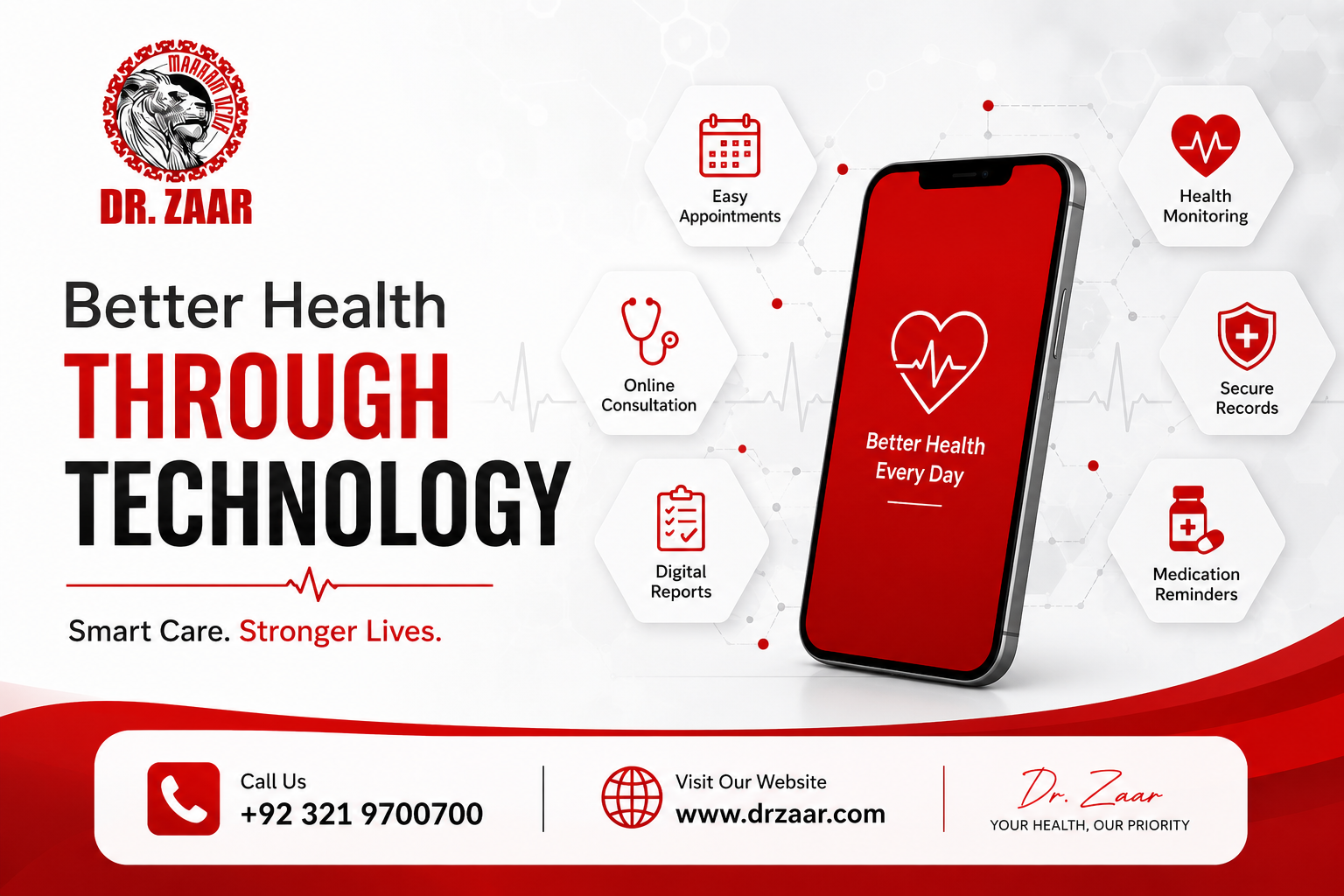
How Technology Helpout Healthcare Process and Improve Patient Care
Going to the hospital used to be a hassle. You had to carry a folder of medical reports wait for hours to see a doctor and tell your medical history all over again every time you visited a new clinic. Many people thought this was just normal.
Now things are different. You can book an appointment on your phone get your lab reports online talk to a doctor on video call and even track your heart rate with a smartwatch. These changes didn’t happen fast. They are the result of technology becoming a part of healthcare.
Technology has changed every industry but its impact on healthcare is especially important because it directly affects peoples lives. It helps doctors diagnose diseases accurately allows hospitals to manage patients more efficiently and gives people better access to medical care no matter where they live.
The goal of technology in healthcare is not to replace doctors or nurses. Instead it helps them do their jobs better and makes the experience better for patients.
What Does Technology in Healthcare Mean?
Healthcare technology includes every tool, software system, medical device or smart solution that helps improve healthcare services.
When people hear this term they often think of robots surgeries or Artificial Intelligence making decisions.. Healthcare technology also includes simple tools that many of us use every day.
For example:
* Booking a doctors appointment online
* Getting SMS reminders before a hospital visit
* Accessing lab reports through an app
* Using a smartwatch to track heart rate
* Storing patient records electronically of on paper
These may seem like small improvements but together they have changed the way healthcare works.
Technology is making healthcare more organized, efficient and easier for both patients and healthcare providers.
Why Healthcare Needed Technology
Healthcare has always been busy. Doctors, nurses and hospital staff manage hundreds of patients every day. Before digital systems became common every task was done manually.
Imagine a patient arriving at a hospital emergency department ten years ago. A staff member would search through shelves filled with paper files to locate medical records. If those records couldn’t be found quickly doctors had to rely on what the patient remembered.
Now imagine the situation today.
The patients medical history appears on the computer in seconds. Doctors can immediately check allergies, surgeries, current medications, blood test reports and scan results before beginning treatment.
That difference saves time and in emergency situations time can save lives.
Technology Makes Life Easier for Patients
One of the advantages of technology is convenience.
People no longer have to visit hospitals for every issue.
Someone who recently had surgery may only need a follow-up consultation. Of taking leave from work travelling across the city finding parking and waiting in line they can often speak with their doctor through a secure video consultation.
Similarly patients with long-term conditions like diabetes or high blood pressure can share their health readings using applications. Their doctor reviews the information. Suggests any necessary changes without requiring unnecessary hospital visits.
This approach saves time for everyone involved while ensuring patients continue receiving medical care.
Better Information Leads to Better Decisions
Doctors make decisions every day. Those decisions depend on having information.
Electronic Health Records have made this process much smoother.
Of keeping stacks of paper files hospitals now store patient information digitally.
A doctor can quickly review:
* Previous illnesses
* medications
* Blood reports
* X-rays
* MRI scans
* Allergy history
* Vaccination records
Having information in one place reduces confusion and helps doctors choose the most appropriate treatment.
It also improves communication between healthcare departments because everyone works with the same updated information.
Artificial Intelligence Is Supporting Medical Professionals
Artificial Intelligence is a technology that is talked about a lot today. Many people misunderstand its role, in healthcare.
Movies often show AI replacing doctors. Real healthcare doesn’t work that way.
Instead AI acts like an assistant.
For example a radiologist may examine hundreds of X-rays during a day. Carefully reviewing every image takes time. Requires intense concentration.
AI software can quickly identify areas that may need examination. It points out abnormalities allowing the radiologist to focus attention where its needed most.
The doctor still makes the diagnosis.
AI simply provides another layer of support.
The same technology is also being used to:
* Predict disease risks
* Organize hospital appointments
* Assist medical research
* Improve treatment planning
* Answer patient questions through healthcare chatbots
Rather than replacing healthcare professionals AI allows them to spend more time caring for patients instead of performing repetitive administrative work.
Real-Life Example: A Small Clinic Goes Digital
Consider a heelthcare clinic that once managed appointments using handwritten registers.
Patients frequently forgot appointment dates staff spent hours answering phone calls and finding treatment records often took several minutes.
The clinic later introduced a management system.
Appointments could now be booked online.
Patients received reminders one day before their visit.
Medical photographs were securely stored with each patients record.
Prescriptions were generated digitally.
Within a months missed appointments decreased staff had more time to assist patients and consultations became much more organized.
The doctors didn’t change.
The treatment methods remained the same.
The difference came from technology supporting everyday work.
Healthcare Beyond Hospital Walls with Telemedicine
One of the changes in healthcare over the last few years has been the growth of telemedicine. Telemedicine is really changing the way patients get healthcare. Of going to a hospital for every doctor visit patients can now talk to their doctor through a video call or a mobile application. This is a help for people who live far away from hospitals, older patients and those who have trouble traveling.
Imagine a patient who lives almost 100 kilometers away from the nearest city hospital. Before every follow-up visit meant finding a way to get to the hospital spending hours on the road and waiting to see the doctor. Now many follow-up visits can be done from home using telemedicine. The patient only goes to the hospital when they really need to see a doctor.
Telemedicine does not replace seeing a doctor in person. It does reduce unnecessary hospital visits. This is a deal for telemedicine.
Wearable Devices Help People Stay Healthy
Technology is not just for hospitals and clinics anymore. It is part of our lives. Many people wear smartwatches or fitness bands without realizing they are using healthcare technology. These devices can track a lot of things like heart rate, blood oxygen level, activity sleep quality calories burned and stress levels. Some devices can even detect heart rhythms and remind users to see a doctor.
For example someone wearing a smartwatch might see that their resting heart rate is higher than usual. They get worried. Go see a cardiologist. After some tests the doctor finds a heart condition that might have gone unnoticed. The technology did not diagnose the disease but it reminded the patient to see a doctor before the condition got worse.
Technology Improves Surgical Procedures
Surgery has changed a lot because of technology. Modern operating rooms use high-definition cameras, digital imaging systems and robotic-assisted equipment to make surgeries more precise. For example during invasive surgery surgeons can operate through small cuts using special tools and cameras.
Compared to open surgery patients often have smaller scars, less bleeding, lower risk of infection less pain after surgery faster recovery and shorter hospital stays. The surgeon is still in charge of the procedure. Technology helps them see better and be more precise.
Digital Pharmacies and Smarter Medication Management
Technology has also changed the way pharmacies work. Many pharmacies use computer systems to manage prescriptions and medication inventory. This has advantages. If a patient regularly buys medicine for diabetes or high blood pressure the pharmacy system can keep records and reduce the chance of giving the wrong medicine.
Some healthcare apps also remind patients when it is time to take their medicine. This might seem like a thing but for people taking multiple medicines every day these reminders can make a big difference.
Healthcare Then and Now
The impact of technology is clear when we compare healthcare today to how it was in the past.
| Before Technology | After Technology |
| Paper files stored in cabinets | Electronic Health Records available instantly |
| Long queues for appointment booking | Online appointment scheduling |
| Manual prescriptions | Online appointment scheduling |
| Manual prescriptions | Digital prescriptions |
| Patients travelled for every consultation | Online follow-up consultations |
| Reports collected physically | Digital laboratory reports |
| Manual billing | Digital laboratory reports |
Technology has not removed the human element from healthcare. Instead it has removed unnecessary delays.
Technology Helps Healthcare Professionals
People often think about how technology helps patients but it helps healthcare professionals just as much. Doctors spend time looking for medical records. Nurses can update information electronically. Hospital administrators can manage appointments efficiently. Laboratory staff can automatically send reports to doctors. Pharmacists can quickly verify prescriptions.
This allows healthcare teams to spend time focusing on patient care instead of administrative work.
Every Technology Has Challenges
Despite all these advantages technology also has responsibilities. Patient information must remain private and secure. Hospitals need cybersecurity systems to protect sensitive medical records. Healthcare workers must receive training before using new technologies.
There are also challenges. Buying software installing digital systems and maintaining modern equipment require a lot of money. In areas limited internet access may also affect digital healthcare services.
These challenges are real. They are getting smaller as technology becomes more affordable and easier to use.
What Can We Expect in the Future?
Healthcare technology is moving fast. Artificial Intelligence is getting better at helping doctors diagnose diseases. Wearable devices are getting better giving people detailed information about their health. Remote monitoring systems allow doctors to keep an eye on patients recovering at home after surgery. Digital marketing agencies and tech companies adopting latest AI based technologies to improve healthcare process and marketing fun
Researchers are also working on treatments based on a persons genetics, lifestyle and medical history. Of just treating diseases future healthcare will focus more on preventing illness before it starts.
This could improve millions of lives. Reduce pressure on hospitals.
Final Thoughts
Technology has quietly changed healthcare over the years. Many of the improvements we enjoy today like appointments, digital prescriptions, electronic medical records, wearable health devices and video consultations have become so common that we often forget how different healthcare used to be.
These innovations are not replacing doctors or nurses. Instead they are giving healthcare professionals tools to provide safer, faster and more personalized care.
For patients this means waiting times, better communication quicker diagnoses and greater convenience. For hospitals and clinics it means organization, fewer administrative errors and more efficient use of resources.
As technology keeps evolving healthcare will become more connected, preventive and patient-focused. The future is not about machines replacing people it is about people using technology to deliver better healthcare.
At the heart of every decision will still be a trained healthcare professional. Technology just helps them do what they do best: care for people, with confidence, accuracy and efficiency.
Related Blogs

- February 20, 2026
Why Hypothyroidism Weight Gain Happens Even.
Have you been struggling with hypothyroidism weight gain even though your lab reports say your thyroid is normal? Many patients.
Read More
- March 31, 2026
Goiter Cause Type Symptoms and Contemporary.
The thyroid gland is also referred to as the silent engine of your metabolism. This neck gland is a small.
Read More