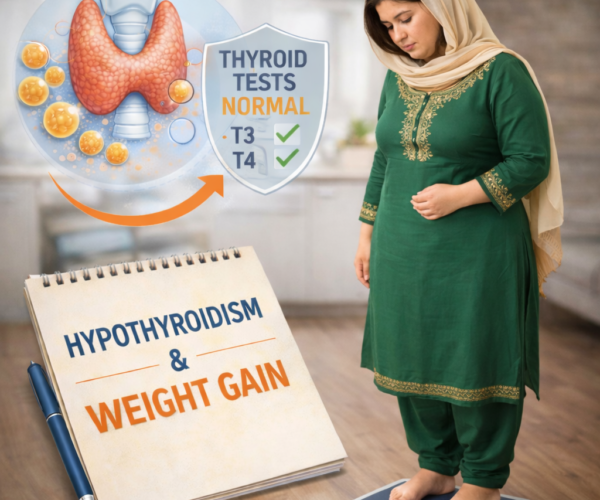
Goiter Cause Type Symptoms and Contemporary Treatment.
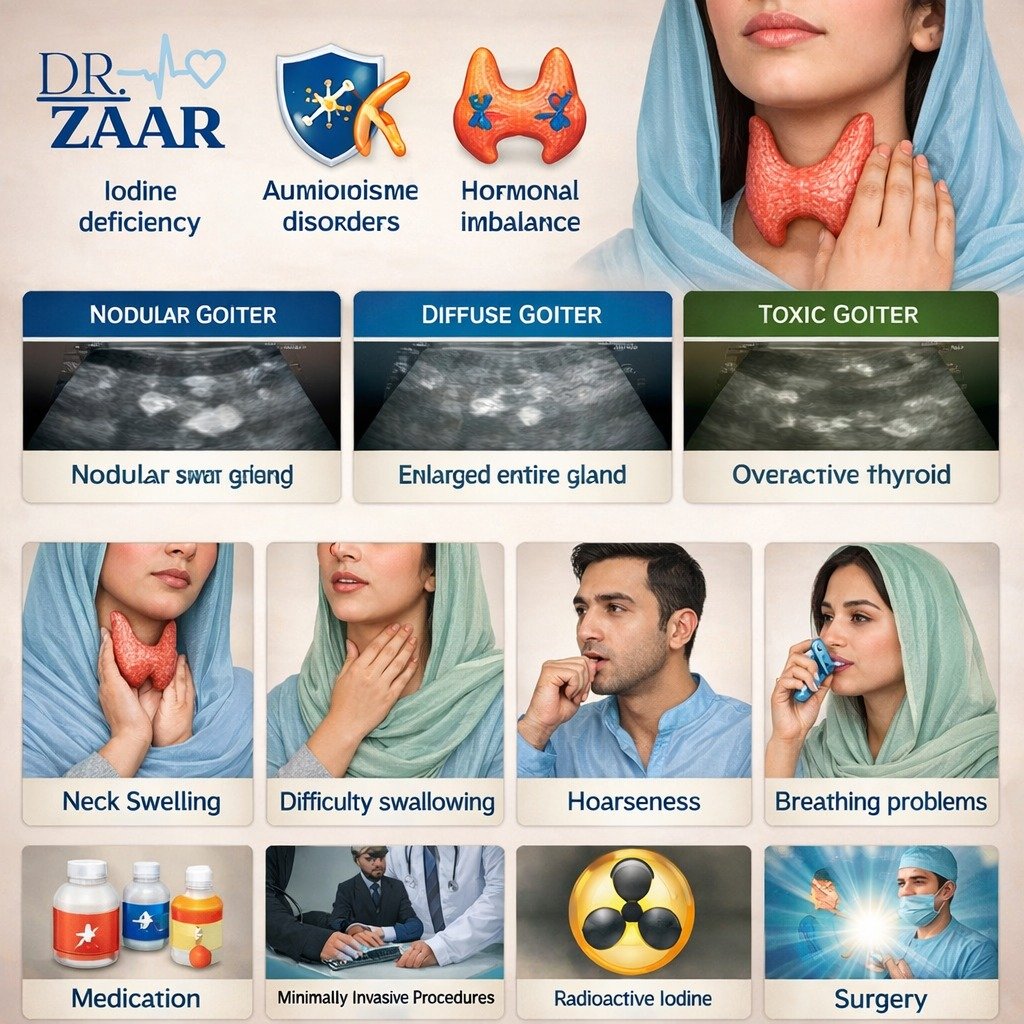
The thyroid gland is also referred to as the silent engine of your metabolism. This neck gland is a small butterfly-shaped gland that regulates the level of energy and hormones in the body and the general body balance. The condition is referred to as a goiter when it is swollen. It is important to understand the various types of goiter since they have different causes, symptoms and treatment solutions.
Goiter is a widespread health issue in Pakistan as a result of nutritional imbalances and hormonal diseases. The recognition of the right kinds of goiter at an early stage of life can help to avoid complications and provide health treatment.
What is a Goiter
A goiter is the abnormality of the thyroid gland. One should realize that a goiter may not necessarily imply that the thyroid is either overactive or underactive. The swelling can be seen but in most scenarios, the levels of hormones can be normal.
As the condition advances, it can cause visible swelling and lead to symptoms such as difficulty in swallowing, a sensation of tightness in the throat, or a persistent cough. Early intervention helps prevent it from progressing into a functional issue rather than just a cosmetic concern, and seeking care from a hormone disorder treatment clinic can ensure timely diagnosis and proper management.
Types of Goiter
Goiters have many different types, and it is necessary that the particular type of goiter be identified in order to select an effective treatment regimen.
Diffuse Goiter
Diffuse goiter diffuse goiter is an enlargement of the thyroid gland with no nodules. The gland is smooth and equally enlarged. It is generally linked to lack of iodine or autoimmune diseases like the Graves disease.
Nodular Goiter
Nodular goiter is a condition that is presented by a single lump or nodule of the thyroid gland. The majority of nodules are benign, yet they must be monitored to prevent their inability to influence the production of hormones and increase in size.
Multinodular Goiter
A multinodular goiter is composed of an aggregate of large and small nodules. It generally progresses gradually and is more prevalent in adults particularly individuals with long-term mild deficiency of iodine. This could lead to swelling or pressure of the neck as it extends.
Toxic Goiter
A toxic goiter is a condition which results when the thyroid gland over secretes hormones causing hyperthyroidism. This can cause a big change in the metabolism and can have a side effect of increased heartbeat, loss of weight, anxiety, and heat intolerance.
Toxic Multinodular Goiter
The further development is toxic multinodular goiter, when more than a few nodules overgrow and secrete extra hormones. It is progressive and more prevalent in the elderly, and thus can be treated with utmost care and treatment.
Goiter Causes
It is significant to learn more about goiter etiology to prevent and manage it early. There are various causes of the emergence of various forms of goiter:
- Iodine Deficiency: It is one of the major causes, particularly in developing areas.
- Autoimmune Disorders: Hashimoto thyroiditis and Graves disease.
- Hormonal Changes: Hormonal changes during pregnancy may make the thyroid swell.
- Genetic Factors: Family History puts one at risk.
- Drugs and Diet: There are medications and diets that can influence thyroid activity.
These causes can be dealt with early so that the condition may be contained.
Common Symptoms of Goiter
Goiter symptoms could be different in response to the type and severity of this condition. Symptoms may not manifest in every individual, but may be experienced:
- Visible swelling in the neck
- Swallowing and breathing problems.
- New hoarseness or chronic cough.
- Fatigue or weakness
- The symptoms of weight changes or hormonal imbalances.
Early identification of these signs can assist in the early diagnosis and treatment.
Contemporary Treatment Methodologies
Goiter is treated depending on its type, size and the cause. Individual treatment is typically needed to treat various forms of goiter.
Medical Management
The drugs are also normally applied in order to keep the levels of the thyroid hormones under check and keep the gland in check. In most of the instances the medical treatment can prevent the advancement or even cause the goiter to shrink.
Radioactive Iodine Therapy
This is an intervention that is widely applied in toxic goiters. A safe amount of radioactive iodine is taken into the thyroid gland that aids in the shrinkage of overactive tissue, eliminating the need for surgery.
Diagnostic Examination and Biopsy
In the event of presence of nodules, the ultrasound and fine needle aspiration (biopsy) tests can be used to confirm that the growth is benign to make decisions regarding treatment.
Surgical Treatment
Surgery can be done, also referred to as thyroidectomy, when the goiter is very large, breathing or swallowing is difficult, or there is suspicion of cancer.
The “Painless” Trap
Most individuals neglect goiters since they cause no pain. Nevertheless, this pain-free character can postpone the diagnosis to the time when the condition is more severe. In case of swelling in the neck, the inability to swallow, and some signs of thyroid imbalance, it is necessary to obtain medical attention as soon as possible.
The diagnosis and treatment of goiter are impossible without first understanding the various forms of the condition. There are diffuse types of goiters and nodular types of goiters, as well as complicated conditions such as toxic multinodular goiter, and each type has to be considered carefully. Complications can be prevented or mitigated by early diagnosis and awareness of goiter causes, and help the patient establish better thyroid health in the long run.
Take Control of Your Thyroid Health
In case you find that there is a swelling in your neck, or even you are suspecting that you have a problem with thyroid, then a professional examination is necessary. Dr. Zaar offers modern diagnosis and an individualized treatment plan of any goiter.
Schedule a consultation and make the first step to proper thyroid health.
Related Blogs

- January 30, 2026
How Strength Training and Nutrition Improve.
Muscle loss is not only a matter of appearance as we age but it has direct health consequences. Not everyone.
Read More
- February 27, 2026
What are the Growth Disorders symptoms.
For many parents, realizing that their child is shorter than other children in class can be a source of worry.
Read More