



Fast Weight Loss Diet Plan for Males and Females, Calorie Control, Protein-Rich Nutrition & Sustainable Fat Loss
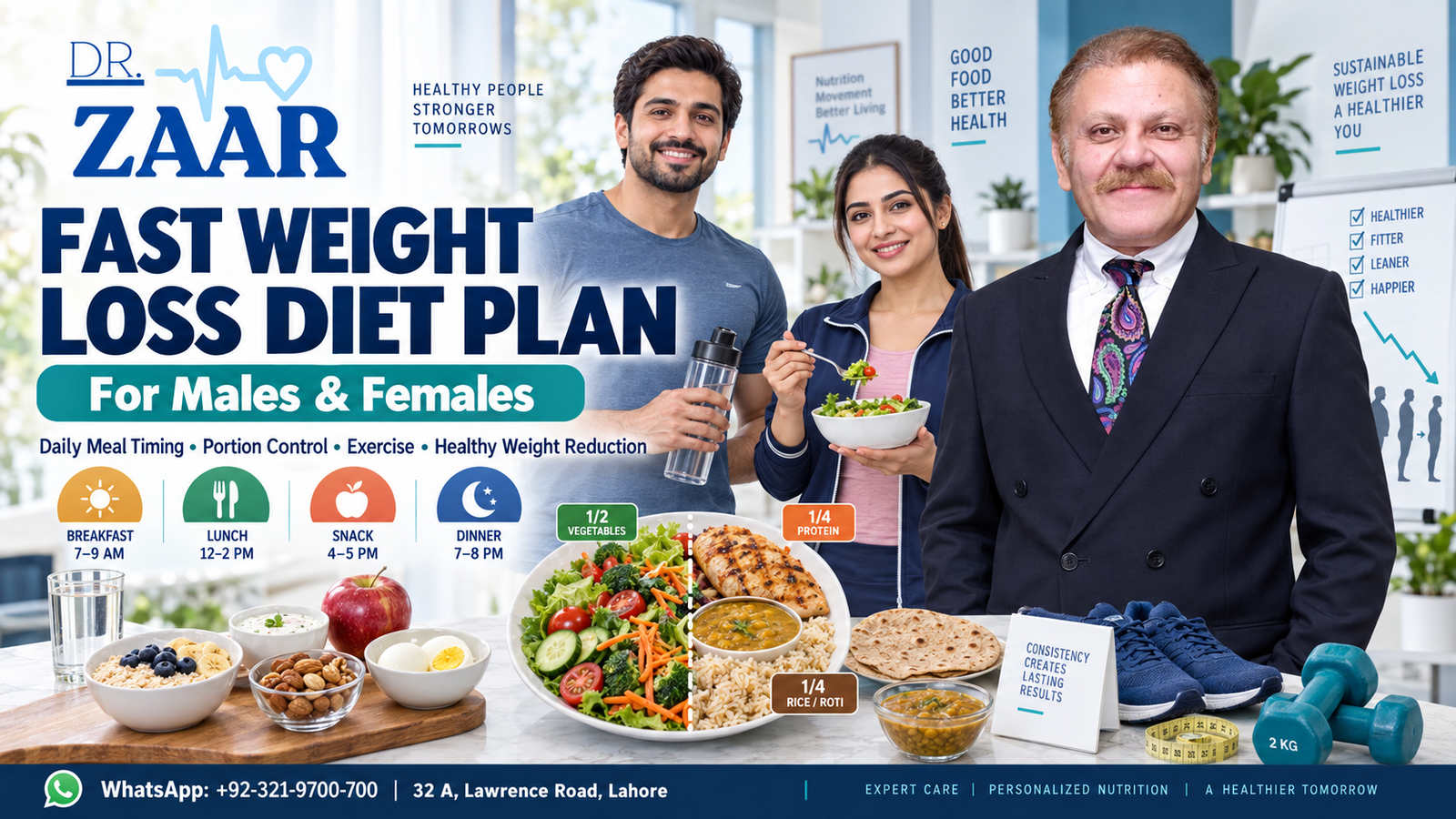
Losing weight quickly is a common goal for both men and women, but the most effective approach is not based on extreme starvation, skipping meals, or eliminating entire food groups without a medical reason. A well-designed Fast Weight Loss Diet Plan for Males and Females should focus on creating an appropriate calorie deficit while providing enough protein, fiber, vitamins, minerals, healthy fats, and fluids to support normal body functions.
Men and women can respond differently to dietary changes because body composition, muscle mass, hormones, age, activity levels, sleep, medications, and underlying health conditions vary considerably. Therefore, a practical weight-loss plan should be personalized rather than copied from a generic diet chart.
The goal is not simply to make the number on the weighing scale decrease rapidly. Healthy fat reduction should also consider preservation of muscle, improved metabolic health, better eating habits, and the ability to maintain results over time.
What Makes a Fast Weight Loss Diet Plan Effective?
A successful diet plan generally creates a manageable energy deficit. This means the body receives somewhat fewer calories than it uses over time. When this happens consistently, stored energy can be mobilized and body weight can gradually decline.
However, “fast” should not mean dangerously restrictive.
Very-low-calorie diets, prolonged fasting without appropriate supervision, excessive detox drinks, or diets consisting of only a few foods may produce an initial reduction in weight, but some of that reduction can come from water that we drink and lean tissue rather than body fat.
A better approach combines:
- Appropriate calorie control
- Adequate protein
- Plenty of vegetables
- High-fiber foods
- Controlled portions of carbohydrates
- Moderate healthy fats
- Adequate hydration
- Regular physical activity
- Sufficient sleep
- Consistent meal habits
This combination can make a weight-loss program more practical and sustainable for both males and females.
Understanding the Difference Between Weight Loss and Fat Loss
One of the most important concepts in a Fast Weight Loss Diet Plan for Males and Females is understanding that weight loss and fat loss are not identical.
Body weight can fluctuate because of:
- Water retention
- Glycogen storage
- Food in the digestive tract
- Sodium intake
- Hormonal changes
- Menstrual-cycle changes
- Muscle mass
- Body-fat levels
A person may therefore see the scale move considerably during the first week of a diet without losing the same amount of body fat.
The more meaningful objective is gradual reduction in excess body fat while preserving as much lean muscle as reasonably possible.
For this reason, waist circumference, clothing fit, strength, energy levels, and overall health markers can sometimes provide useful information alongside body weight.
Why Protein Matters During Weight Reduction
Protein is an important part of a structured weight-management diet.
Foods such as eggs, fish, chicken, lean meat, yogurt, milk, legumes, beans, lentils, and other suitable protein sources can help make meals more satisfying.
Protein is particularly important during calorie restriction because maintaining adequate protein intake and engaging in resistance exercise can support the preservation of lean tissue.
For males, higher body weight and greater muscle mass may mean that protein requirements need to be considered carefully.
For females, adequate protein can also be valuable during weight reduction, particularly when dietary restriction might otherwise result in insufficient nutrient intake.
Rather than relying on one “fat-burning” food, the overall protein content and quality of the daily diet are more important.
Building a Balanced Breakfast for Faster Fat Loss
Breakfast does not have to be elaborate.
A useful breakfast can contain a protein source, a fiber-rich carbohydrate, and fruit or vegetables where appropriate.
Examples include:
- Eggs with vegetables and whole-grain toast
- Plain yogurt with fruit and controlled portions of oats
- Oatmeal combined with milk or yogurt
- Vegetable omelet with a small whole-grain serving
- Lentils with vegetables and a controlled portion of roti
The appropriate quantity depends on individual calorie requirements.
A breakfast loaded with sugar, refined flour, sweetened beverages, and oversized portions may make calorie control difficult even when the meal appears small.
Lunch Choices That Support Healthy Weight Reduction
Lunch can be built around a simple plate structure.
A practical meal may include:
- A substantial serving of vegetables or salad
- A protein source
- A moderate carbohydrate portion
- A small amount of healthy fat
For example, grilled chicken with vegetables and a controlled serving of brown rice can be suitable for many people.
Similarly, lentils with vegetables and a moderate portion of roti can form a balanced meal.
The important principle is portion control rather than completely eliminating carbohydrates.
Rice, roti, potatoes, oats, fruit, and other carbohydrate-containing foods can be included in a weight-loss diet when quantities are appropriate.
Dinner Strategies for Males and Females
Dinner is often where unnecessary calories accumulate.
Large portions of fried foods, creamy sauces, sweets, desserts, sugary drinks, and late-night snacks can make it difficult to maintain a calorie deficit.
A weight-conscious dinner may include:
- Lean protein
- Cooked or raw vegetables
- A controlled carbohydrate portion
- Water or another low-calorie beverage
People who become excessively hungry at night may benefit from examining the entire day’s eating pattern rather than simply trying to eliminate dinner.
Skipping meals and then overeating later that is not good can make adherence harder.
Smart Snacks Between Meals
Snacking is not automatically harmful.
The problem usually occurs when snacks become an unplanned source of excess calories.
Better choices can include:
- Fruit
- Plain yogurt
- A controlled serving of nuts
- Boiled eggs
- Vegetables
- Roasted legumes
- Other protein-rich or fiber-rich options
Portion size remains important. Even nutritious foods can contribute substantial calories when eaten in excessive quantities.
For example, nuts contain beneficial nutrients but are energy-dense, so eating them directly from a large packet can make calorie control difficult.
Hydration and Weight Management
Water is essential for normal physiological function, but it should not be promoted as a magical fat-burning treatment.
Drinking adequate water can support hydration and may help some people distinguish thirst from hunger.
Replacing high-calorie beverages with water can also reduce daily calorie intake.
A weight-loss plan should therefore pay attention to:
- Soft drinks
- Sweetened juices
- Sugary tea and coffee
- Energy drinks
- Sweetened milk beverages
- Other calorie-containing drinks
Liquid calories can accumulate quickly because they may provide less satiety than whole foods.
Foods That Can Make Fast Weight Loss More Difficult
There is no universal list of “forbidden” foods.
However, certain foods can make calorie control difficult when consumed frequently or in large quantities.
These include:
- Deep-fried foods
- Fast food
- Bakery products
- Cakes
- Biscuits
- Sweets
- Sugary beverages
- Large portions of refined carbohydrates
- Highly processed snacks
- Excessive sauces and dressings
The issue is usually frequency, portion size, and overall calorie intake.
A sustainable plan should allow reasonable flexibility rather than creating a cycle of strict restriction followed by overeating.
Female-Specific Considerations in a Weight Loss Diet
Women’s weight management can be influenced by hormonal and physiological changes across different stages of life.
Factors such as the menstrual cycle, pregnancy, postpartum changes, menopause, thyroid disorders, insulin resistance, and certain medications may affect body weight or appetite.
For some women, conditions such as polycystic ovary syndrome can also be associated with weight-management difficulties.
This does not mean every woman requires a specialized “female fat-burning diet.” Instead, the underlying factors should be assessed when weight loss is unusually difficult.
Adequate protein, fiber, micronutrients, healthy fats, and appropriate calorie control remain important.
Women should also avoid excessively restrictive diets that may make it difficult to meet nutritional requirements.
Male-Specific Considerations in Weight Management
Men often have greater average muscle mass and may have higher energy requirements than women, but individual differences are substantial.
A physically active man who performs resistance training may require considerably more food than a sedentary man of the same age and height.
A useful plan should therefore consider:
- Body size
- Muscle mass
- Activity level
- Exercise frequency
- Age
- Occupation
- Sleep
- Medical conditions
- Current dietary pattern
Simply copying another person’s diet chart may produce inappropriate calorie intake.
The Role of Exercise in a Fast Weight Loss Strategy
Diet is important, but physical activity can strengthen the overall weight-management approach.
A combination of aerobic activity and resistance exercise can be particularly useful.
Examples of aerobic activity include:
- Brisk walking
- Cycling
- Swimming
- Jogging where appropriate
- Recreational sports
Resistance training may include:
- Bodyweight exercises
- Resistance bands
- Free weights
- Machine-based training
Exercise can help support fitness, cardiovascular health, muscle retention, and energy expenditure.
Why Sleep Can Influence Weight Management
Weight management is not only about food.
Poor sleep can affect appetite regulation, energy, food choices, mood, and daily activity.
People who regularly sleep too little may find it harder to maintain healthy eating habits.
A practical weight-loss program should therefore encourage a consistent sleep schedule and sufficient sleep rather than focusing exclusively on calorie restriction.
Common Types of Sexual Health Problems and Their Relationship With Overall Health
The secondary keyword Common Types of Sexual Health Problems is relevant to broader discussions of health because sexual wellbeing can be influenced by physical, psychological, hormonal, metabolic, and relationship factors.
Common sexual health concerns may include erectile difficulties, reduced sexual desire, premature ejaculation, delayed ejaculation, painful sexual activity, orgasm-related difficulties, and fertility concerns.
Weight management does not automatically treat these conditions. However, obesity, diabetes, cardiovascular disease, sleep problems, medication effects, and hormonal abnormalities can sometimes be relevant to sexual health.
Therefore, someone experiencing persistent sexual symptoms should not assume that a diet alone will solve the problem. Appropriate medical evaluation may be necessary.
Why Crash Diets Often Backfire
Crash diets commonly promise dramatic results in a short period.
Their major problem is that they can be difficult to maintain.
Extreme restriction may cause:
- Persistent hunger
- Low energy
- Poor exercise performance
- Nutritional inadequacy
- Loss of lean tissue
- Food cravings
- Difficulty maintaining the diet
When a restrictive plan ends, previous eating patterns may return.
A better strategy is to create dietary habits that a person can continue after reaching their desired weight.
Dr. Zaar’s Root-Cause Approach to Weight Management
Dr. Zaar, often hailed as the “Sherlock Holmes of Endocrinology,” is a physician whose approach to medicine transcends the conventional. With a profound understanding of the interconnected nature of hormones, Zaar is renowned for uncovering the root causes of complex, multi-systemic disorders that many practitioners overlook. Combining precision diagnostics, holistic treatments, and a patient-first philosophy, he has earned a reputation as a trailblazer in the field of endocrine biochemistry and metabolic medicine.
In practice, this perspective emphasizes that persistent weight problems may have more than one contributing factor. Dietary habits, physical activity, sleep, medications, hormonal conditions, metabolic health, and lifestyle patterns can all be relevant.
Weight Loss Tips for Males: Turning General Advice Into Daily Habits
Previous work on Weight Loss Tips for Males highlighted the importance of converting broad health recommendations into practical daily behavior. A male weight-loss strategy should not rely solely on reducing food intake. Meal portions, protein intake, exercise, sleep, hydration, and consistency all influence results. Men with higher muscle mass may also require a different calorie and protein approach than someone with a sedentary lifestyle. This makes personalization important. The current fast weight-loss diet plan builds on those principles by organizing them around calorie control and balanced meals. Instead of searching for one food that supposedly accelerates fat loss, males can focus on the total pattern of eating. Consistent habits—such as choosing protein-rich meals, limiting liquid calories, controlling portions and maintaining regular activity—can make weight management more realistic.
Weight Loss Drinks for Males: Managing Liquid Calories More Effectively
The earlier discussion of Weight Loss Drinks for Males emphasized that beverages can either support or undermine calorie control. Water and other low-calorie options can be useful alternatives to sugar-sweetened drinks, while sweetened beverages may contribute significant calories without providing the same fullness as whole foods. This is particularly relevant when developing a fast weight-loss diet plan because people sometimes concentrate heavily on meals while overlooking drinks. Tea, coffee, milk-based beverages, juices, soft drinks, and flavored drinks can all contribute to daily energy intake depending on their ingredients and portion sizes. The goal should not be to depend on a special “fat-burning” drink. Instead, beverage choices should complement a balanced nutritional pattern.
Weight Loss Tips for Females: Combining Nutrition With Hormonal Awareness
Previous Weight Loss Tips for Females content focused on the fact that women may encounter different weight-management challenges at different life stages. Hormonal changes, menstrual-cycle variation, menopause, pregnancy-related changes, thyroid disorders, insulin resistance, medications, sleep, and stress can all be relevant depending on the individual. This does not mean that every woman needs a complicated diet. It means the reason behind difficulty losing weight should be considered. A balanced calorie-controlled eating pattern remains central, while protein, fiber, micronutrients, physical activity, and sleep deserve attention. The present article extends that approach by bringing these principles into a practical fast weight-loss framework without promoting starvation or unrealistic promises.
When a Personalized Diet Plan May Be More Appropriate
A person may benefit from professional assessment when weight loss is unexpectedly difficult or when other symptoms are present.
Medical evaluation may be particularly relevant when someone has:
- Significant unexplained weight gain
- Severe fatigue
- Menstrual irregularities
- Symptoms suggestive of thyroid dysfunction
- Diabetes or abnormal blood glucose
- Persistent excessive hunger
- Sleep problems
- A history of eating disorders
- Multiple medications
- Significant obesity
- Difficulty losing weight despite sustained lifestyle changes
The appropriate assessment depends on the individual’s circumstances.
A Practical Daily Structure for Healthy Fat Loss
A simple structure may look like this:
Morning:
Water followed by a balanced breakfast containing protein and fiber.
Midday:
A balanced lunch with vegetables, protein, and a controlled carbohydrate portion.
Afternoon:
A planned snack if genuinely hungry.
Evening:
A balanced dinner with vegetables and protein.
Throughout the day:
Adequate water and limited calorie-dense beverages.
Activity:
Regular walking or aerobic exercise combined with appropriate resistance training.
This is a framework rather than a universal prescription. Calorie requirements vary significantly between individuals.
Avoiding the “Fastest Possible” Mindset
The phrase “fast weight loss” can sometimes encourage people to prioritize speed over health.
A better question is:
How can I lose excess body fat efficiently while maintaining nutrition, muscle, health, and long-term adherence?
That shift in thinking can completely change the approach.
The best plan is often not the most restrictive one. It is the one that creates a meaningful calorie deficit while remaining nutritionally adequate and realistic enough to follow.
Consultation With Dr. Zaar
For personalized assessment, patients can discuss their weight, diet, lifestyle, metabolic health, hormonal concerns, and other relevant factors with a qualified physician.
WhatsApp: +92-321-9700-700
Address: 32 A, Lawrence Road, Lahore
Visit the Clinic
Arrive at the clinic at your scheduled time, where our staff will guide you through the process and ensure a smooth experience.
Meet Dr. Zaar
Sit down with Dr. Zaar for a personalized consultation and expert advice tailored to your health concerns.
Frequently Asked Questions About Fast Weight Loss Diet Plans
Can men and women follow the same weight-loss diet?
They can share the same basic principles, but calorie and nutrient requirements differ between individuals. A suitable diet should account for age, body composition, activity level, health status, and personal goals.
Is skipping breakfast necessary for fast weight loss?
No. Some people prefer eating breakfast while others do not. Total calorie intake, nutritional quality, and adherence are more important than forcing everyone into one meal schedule.
Are carbohydrates bad for weight loss?
No. Carbohydrates can be part of a balanced weight-loss diet. Portion control and food quality are more important than automatically eliminating carbohydrates.
Can drinking more water burn body fat?
Water is essential for health and may support healthy eating habits, but it should not be presented as a standalone fat-burning treatment.
What is the fastest healthy way to lose weight?
The safest approach is individualized calorie control combined with adequate nutrition, physical activity, sleep, and appropriate medical assessment when necessary.
Should women use a different diet from men?
Not necessarily. The fundamentals are similar, but individual calorie needs and physiological factors can differ.
Can weight loss improve overall wellbeing?
Healthy weight reduction may support metabolic health, mobility, cardiovascular health, and quality of life, particularly when excess weight is contributing to health problems.
Final Thoughts
A Fast Weight Loss Diet Plan for Males and Females should focus on efficient but responsible fat reduction rather than extreme restriction. Balanced meals, protein, vegetables, fiber, controlled portions, hydration, physical activity, sleep, and consistency provide a stronger foundation than crash diets.
Men and women can follow the same fundamental principles while still requiring different calorie targets and individualized considerations. When underlying metabolic or hormonal factors may be involved, professional assessment can help identify issues that a generic diet chart cannot address.
The objective should be more than rapid scale changes. The better goal is to build a healthier pattern of eating that can continue long after the initial weight-loss phase.
Related Blogs
- August 6, 2026
Best Weight Loss Doctor in Lahore.
Losing weight is not simply about eating less or exercising more. For many individuals, obesity and stubborn weight gain are.
Read More
- August 10, 2026
Best Fat Loss Clinic in Pakistan,.
Losing excess body fat is one of the most common health goals today, but finding a safe and sustainable solution.
Read More