



Best Dietitian for Weight Loss in Pakistan Lahore, Islamabad, Karachi -Dr. Zaar’s Scientific Approach to Personalized Weight Management
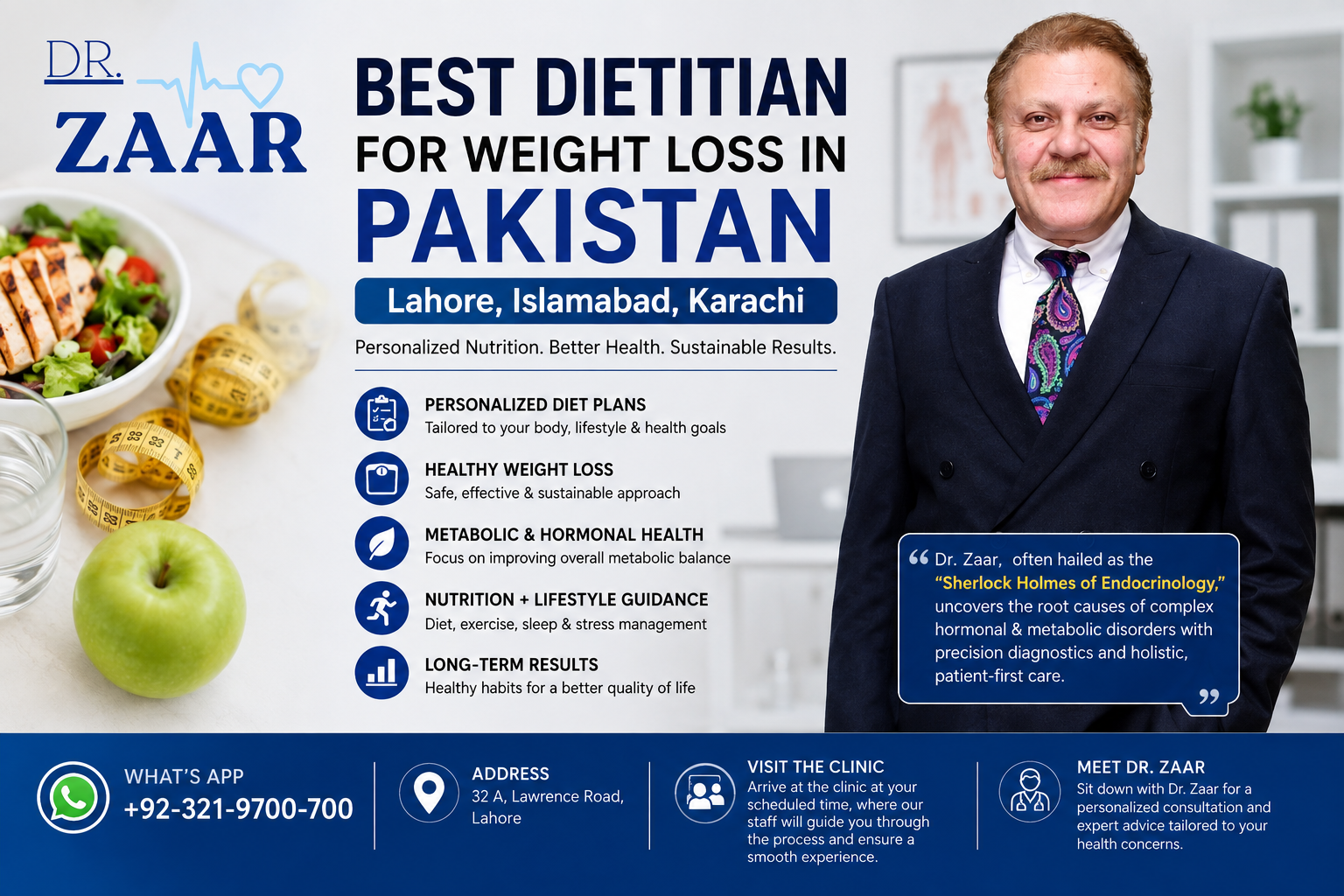
Choosing the Best Dietitian for Weight Loss in Pakistan Lahore, Islamabad, Karachi is not simply about finding a meal plan with fewer calories. Sustainable weight management requires understanding how nutrition interacts with metabolism, hormones, physical activity, sleep, stress, medications, and existing medical conditions.
Many people begin a weight-loss journey with restrictive diets, fasting schedules, online plans, or generic calorie charts. Some initially lose weight but later regain it because the underlying factors affecting weight were never properly addressed. A personalized approach can be more useful because nutritional needs, metabolic health, lifestyle, and medical history differ from person to person. SHEHREZAD FARUK ZAAR, also known as DR. ZAAR, approaches weight management from an endocrine and metabolic perspective. His philosophy focuses on understanding the factors that may contribute to difficulty losing weight while developing practical strategies that can be maintained over time.
Dr. Zaar, often hailed as the “Sherlock Holmes of Endocrinology,” is a physician whose approach to medicine transcends the conventional. With a profound understanding of the interconnected nature of hormones, Zaar is renowned for uncovering the root causes of complex, multi-systemic disorders that many practitioners overlook. Combining precision diagnostics, holistic treatments, and a patient-first philosophy, he has earned a reputation as a trailblazer in the field of endocrine biochemistry and metabolic medicine.
This comprehensive guide explains what to look for in a weight-loss dietitian or metabolic specialist, why individualized nutrition matters, how hormones and medical conditions can influence weight, and how a structured approach can support healthier long-term outcomes.
Why Choosing the Right Weight-Loss Professional Matters?
Weight loss is often presented as a simple equation. eat less and exercise more. While energy balance is fundamental to changes in body weight, real-world weight management is more complicated.
A person’s ability to lose and maintain weight can be influenced by.
- Food choices
- Portion sizes
- Physical activity
- Sleep quality
- Stress
- Age
- Genetics
- Medications
- Hormonal conditions
- Diabetes
- Thyroid disorders
- Insulin resistance
- Menopausal changes
- Eating patterns
- Emotional factors
- Previous dieting history
A professional assessment can help determine which factors are relevant to an individual.
The Best Dietitian for Weight Loss in Pakistan Lahore, Islamabad, Karachi should therefore be understood not simply as someone who provides a diet chart, but as a professional who helps develop a nutritional strategy appropriate to a person’s health status and goals.
What Makes a Weight-Loss Plan Truly Personalized?
A personalized weight-management program begins with understanding the individual.
Two people can have the same body weight but completely different health profiles. One person may have diabetes, another may have hypothyroidism, while another may have no diagnosed medical condition but struggle with irregular eating, poor sleep, or emotional eating.
A personalized plan may consider.
Current Weight and Body Composition
Body weight provides useful information, but it does not tell the complete story. Body composition, waist circumference, and changes over time can provide additional context.
Medical History
Conditions such as diabetes, thyroid disease, hypertension, fatty liver disease, and cardiovascular disease can influence dietary recommendations.
Eating Habits
A diet plan should consider what a person actually eats, rather than simply prescribing foods that are difficult to obtain or maintain.
Lifestyle
Work schedules, family responsibilities, physical activity, sleep patterns, and cultural food preferences can all affect adherence.
Individual Goals
Some people want to reduce body weight, while others may primarily want to improve metabolic health, physical fitness, or waist circumference.
The Difference Between a Generic Diet and Clinical Weight Management
A generic diet may tell someone exactly what to eat every day.
Clinical weight management asks a different question.
Why is this person’s weight increasing or why are they struggling to lose it?
That distinction can make a major difference.
For example, someone may follow a calorie-controlled diet but have untreated sleep apnea, medication-related weight gain, severe stress, or a medical condition that needs attention.
This does not mean that every person with difficulty losing weight has a hormonal disorder. It means that persistent or unexplained problems deserve appropriate assessment. SHEHREZAD FARUK CZAR emphasizes looking at the broader metabolic picture rather than assuming that one diet works for everyone.
How Nutrition Influences Healthy Weight Management
Nutrition is central to weight management.
A balanced eating pattern can help regulate energy intake while providing essential nutrients.
A sustainable nutritional strategy may emphasize.
- Vegetables
- Fruits in appropriate portions
- Whole grains
- Legumes
- Lean protein
- Healthy fats
- Adequate fiber
- Appropriate hydration
At the same time, highly processed foods, excessive added sugars, and calorie-dense foods can make maintaining an appropriate energy intake more difficult when consumed frequently or in large quantities.
The goal should not necessarily be to eliminate every food a person enjoys. Instead, an effective program should help patients understand portions, food quality, meal timing, and sustainable choices.
Protein and Weight Management
Protein can play an important role in a balanced weight-management plan.
Adequate protein intake can support muscle maintenance during weight loss and may contribute to satiety.
Sources may include.
- Eggs
- Fish
- Chicken
- Lean meats
- Yogurt
- Milk
- Lentils
- Beans
- Chickpeas
- Other protein-rich foods
The appropriate amount varies according to individual needs, health status, age, activity level, and medical circumstances.
People with certain kidney or other medical conditions may require individualized dietary guidance rather than following high-protein diets promoted online.
Fiber, Satiety, and Better Food Choices
Fiber-rich foods can help make meals more filling while providing important nutrients.
Examples include.
- Vegetables
- Beans
- Lentils
- Chickpeas
- Whole grains
- Fruits
- Seeds
Increasing fiber gradually and maintaining adequate fluid intake can support digestive health for many people.
Rather than focusing only on calorie counting, a dietitian can help patients build meals that are nutritionally balanced and satisfying.
Managing Portion Sizes Without Extreme Restriction
Portion control is one of the most practical components of weight management.
A person does not necessarily need to remove favorite foods completely. Instead, portion size and frequency can be adjusted.
A balanced plate might include.
- A substantial portion of vegetables
- An appropriate protein source
- A suitable portion of whole grains or other carbohydrates
- A moderate amount of healthy fat
This approach can be easier to maintain than highly restrictive diets.SHEHREZAD CZAR focuses on creating realistic strategies that can fit into everyday life rather than relying exclusively on short-term restrictions.
Understanding Carbohydrates in a Weight-Loss Diet
Carbohydrates are an important source of energy and do not automatically prevent weight loss.
The quality and quantity of carbohydrate intake matter.
Examples of nutrient-rich carbohydrate sources include.
- Whole grains
- Oats
- Brown rice
- Beans
- Lentils
- Vegetables
- Fruits
For people with diabetes or insulin resistance, carbohydrate distribution and portion control may require additional attention.
A qualified professional can help determine how carbohydrates fit into an individual’s overall nutritional strategy.
Diabetes, Insulin Resistance, and Weight Management
Diabetes and insulin resistance can complicate weight management.
People with these conditions may benefit from carefully structured meals that help support blood glucose management while maintaining adequate nutrition.
A personalized plan may consider.
- Meal composition
- Portion sizes
- Carbohydrate distribution
- Physical activity
- Medication
- Blood glucose patterns
- Weight trajectory
Medication should never be changed simply because a person starts a diet. Diabetes management should be coordinated with the treating healthcare professional.
Thyroid Health and Weight Gain
Thyroid disorders are frequently discussed in connection with weight gain.
Hypothyroidism can contribute to weight gain and other symptoms such as fatigue, cold intolerance, constipation, and changes in mood.
However, not all weight gain is caused by thyroid disease.
A person with unexplained weight gain may need appropriate evaluation rather than assuming that the thyroid is responsible.
If thyroid disease is diagnosed, proper treatment can be an important part of broader weight management.
Hormones and Metabolic Health
Hormones influence appetite, energy regulation, reproduction, stress responses, and metabolism.
Relevant systems include.
- Insulin
- Thyroid hormones
- Cortisol
- Sex hormones
- Appetite-regulating hormones
However, hormone testing should not be performed indiscriminately.
Testing should be based on symptoms, medical history, physical findings, and clinical judgment.FARUK takes an endocrine perspective when evaluating patients whose weight concerns occur alongside symptoms suggesting a possible hormonal or metabolic issue.
Stress, Emotional Eating, and Weight
Stress can influence eating behavior.
Some people respond to stress by eating less, while others experience increased appetite or cravings for highly palatable foods.
Emotional eating can make weight management challenging even when a person understands basic nutrition.
Helpful strategies may include.
- Identifying eating triggers
- Maintaining regular meals
- Improving sleep
- Practicing mindful eating
- Developing alternative stress-management strategies
- Seeking psychological support when appropriate
Weight management should not be based on shame or guilt.
Sleep and Weight Regulation
Sleep is an important part of a healthy lifestyle.
Insufficient or poor-quality sleep may be associated with.
- Increased fatigue
- Changes in appetite
- Reduced physical activity
- Mood changes
- Difficulty maintaining healthy routines
Some people with obesity may also have obstructive sleep apnea.
If someone experiences loud snoring, witnessed breathing interruptions, morning headaches, or excessive daytime sleepiness, discussing these symptoms with a healthcare professional may be appropriate.
Exercise and Nutrition Work Together
Dietary changes are important, but physical activity also contributes to overall health.
Exercise can support.
- Cardiovascular fitness
- Muscle strength
- Mobility
- Metabolic health
- Mood
- Energy expenditure
A weight-loss program does not necessarily require intense exercise from the beginning.
For someone who is inactive, starting with regular walking and gradually increasing activity may be more realistic.
Exercise recommendations should consider age, fitness level, injuries, and medical conditions.
Sustainable Weight Loss Is More Important Than Rapid Weight Loss
Rapid weight-loss programs can be attractive because they promise dramatic results.
However, very restrictive approaches may be difficult to maintain.
A sustainable program focuses on behaviors that can continue after the initial weight-loss phase.
These may include.
- Consistent meals
- Appropriate portions
- Regular activity
- Adequate sleep
- Stress management
- Periodic monitoring
- Long-term lifestyle changes
The best program is often one that a person can realistically follow for months and years.
Weight Loss in Women
Women may experience changes in weight and body composition during different stages of life.
These can include.
- Reproductive years
- Pregnancy
- Postpartum periods
- Perimenopause
- Menopause
Hormonal changes, sleep disruption, lifestyle changes, age-related changes in body composition, and reduced physical activity can all influence weight.
Women with irregular menstrual cycles, excessive facial or body hair, acne, or unexplained weight changes may also require assessment for possible endocrine or reproductive conditions.
Weight Management for Men
Men can also experience changes in body composition and metabolic health with age.
Reduced activity, increased calorie intake, poor sleep, stress, and certain medical conditions may contribute to weight gain.
Men with abdominal obesity may have increased metabolic risk and should consider appropriate evaluation when clinically indicated.
A personalized nutritional plan can address food intake while considering exercise, sleep, metabolic health, and other individual factors.
Weight Loss and Sexual Health. An Important Connection
Weight management can also intersect with sexual health.
Obesity may coexist with diabetes, cardiovascular risk factors, sleep disorders, and hormonal changes that can affect sexual function in some individuals.
This is where the Common Types of Sexual Health Problems can become relevant to broader metabolic care.
Common concerns may include.
- Erectile dysfunction
- Reduced sexual desire
- Premature ejaculation
- Sexual arousal difficulties
- Pain during sexual activity
- Difficulty reaching orgasm
However, weight should never automatically be considered the cause of a sexual problem. Sexual symptoms require their own appropriate evaluation.
Weight Loss Expert in Pakistan
Our previous article “Weight Loss Expert in Pakistan, Lahore, Islamabad, Karachi” explored why professional weight management should extend beyond simply prescribing a diet chart. It discussed the importance of considering metabolic health, hormones, diabetes, thyroid function, sleep, lifestyle, and individual eating patterns. That approach is directly relevant to anyone searching for the Best Dietitian for Weight Loss in Pakistan Lahore, Islamabad, Karachi, because a diet plan becomes more useful when it is connected to the person’s broader health profile. DR. ZAAR approaches weight management by considering potential contributing factors rather than treating every patient according to the same template. Sustainable progress also requires realistic nutrition, physical activity, behavioral changes, and appropriate monitoring. The earlier article therefore provides useful background for understanding why personalized weight management may be preferable to highly restrictive or generic programs found online.
Best Sexual Health Specialist in Pakistan
Our recent article “Best Sexual Health Specialist in Pakistan Lahore Karachi Islamabad” examined how sexual health can intersect with endocrine, metabolic, cardiovascular, psychological, and reproductive health. This is relevant to weight management because obesity, diabetes, sleep disorders, and metabolic abnormalities may sometimes coexist with sexual health concerns. The article explained that sexual symptoms should not automatically be attributed to hormones or body weight, because there can be several possible causes. DR. SHAHZAD ZAAR emphasizes a broader evaluation when multiple symptoms occur together. For patients pursuing weight management while also experiencing changes in libido, erectile function, reproductive health, or other sexual symptoms, it may be helpful to discuss the complete health picture during a medical consultation. Addressing metabolic health can support overall wellness, while sexual symptoms should be evaluated independently when necessary.
Types of Sexual Disorders and Metabolic Wellness
The previous article “Types of Sexual Disorders” provided an overview of sexual health concerns such as erectile difficulties, premature ejaculation, reduced sexual desire, arousal problems, and pain during sexual activity. Its discussion of diabetes, thyroid conditions, obesity, sleep, medications, and psychological factors is also relevant to comprehensive metabolic care. CZAR MD recognizes that the body operates as an interconnected system, although not every symptom necessarily has the same underlying cause. For individuals working toward healthier body weight, improving metabolic health can be one component of broader wellness. At the same time, persistent sexual symptoms should receive appropriate medical assessment rather than being attributed solely to weight. This connection demonstrates why individualized care can be valuable. nutrition, physical activity, hormonal health, sleep, emotional well-being, and chronic disease management may all contribute to a person’s overall health and quality of life.
How Dr. Zaar Approaches Personalized Weight Management
A personalized consultation may begin by understanding.
Your Weight History
Previous weight-loss attempts can provide valuable information about what has and has not worked.
Your Eating Pattern
Meal timing, portion sizes, snacks, beverages, cravings, and food preferences may all be reviewed.
Your Medical Background
Diabetes, thyroid disorders, hypertension, liver problems, and other conditions can influence nutritional recommendations.
Your Lifestyle
Work, sleep, exercise, family responsibilities, and daily routines are important considerations.
Your Metabolic Health
When appropriate, clinical assessment and laboratory investigations may help identify relevant metabolic factors.
Your Long-Term Goals
The objective is to establish realistic goals rather than promising instant transformation.
Why a Dietitian Should Not Give Everyone the Same Diet
A 1,200-calorie diet, a ketogenic diet, intermittent fasting, or another popular dietary approach may not be appropriate for everyone.
Individual differences matter.
For example, nutritional needs may differ based on.
- Age
- Sex
- Height
- Weight
- Activity level
- Pregnancy status
- Medical conditions
- Medications
- Food preferences
- Cultural eating patterns
A professional can help determine which dietary structure is appropriate rather than simply following a trend.
Avoiding Extreme Diet Culture
Weight management should support health rather than encourage unhealthy relationships with food.
Extreme restriction may lead some individuals to experience.
- Hunger
- Fatigue
- Poor adherence
- Social difficulties
- Rebound eating
- Frustration
A healthier approach is to focus on balanced nutrition and sustainable behavior.
Food should be viewed as part of health, not as something that must always be feared or avoided.
What to Expect During a Consultation With Dr. Zaar
Visit the Clinic
Arrive at the clinic at your scheduled time, where our staff will guide you through the process and ensure a smooth experience.
Meet Dr. Zaar
Sit down with Dr. Zaar for a personalized consultation and expert advice tailored to your health concerns.
During the consultation, you can discuss your weight history, dietary habits, lifestyle, medical conditions, medications, metabolic concerns, and personal goals.
WhatsApp. +92-321-9700-700
Address. 32 A, Lawrence Road, Lahore
The consultation should be viewed as an opportunity to understand your health and develop an appropriate strategy rather than simply receiving a generic diet chart.
Frequently Asked Questions About Weight-Loss Dietitians
What does a weight-loss dietitian do?
A weight-loss dietitian helps individuals develop nutrition strategies that support appropriate energy intake, nutrient adequacy, and sustainable lifestyle changes.
Is a dietitian enough for every weight-loss problem?
Not necessarily. Some individuals may have medical, hormonal, metabolic, psychological, or medication-related factors that require assessment by a physician or other healthcare professional.
Can thyroid disease make weight loss difficult?
Hypothyroidism can contribute to weight gain, but thyroid disease is not responsible for every case of difficulty losing weight. Appropriate testing and medical evaluation may be necessary when symptoms suggest thyroid dysfunction.
Is calorie counting necessary?
Calorie awareness can be useful, but not everyone needs to count every calorie. Portion control, food quality, meal composition, and sustainable habits can also play important roles.
Can I lose weight without exercise?
Weight can change through dietary energy reduction, but physical activity offers important benefits for cardiovascular fitness, muscle health, mobility, and metabolic wellness.
Is rapid weight loss safe?
Rapid weight loss is not appropriate for everyone. The safety and suitability of a weight-loss strategy depend on the person’s health, nutritional status, medications, and medical circumstances.
Can weight loss improve metabolic health?
Even modest weight reduction may improve certain metabolic risk factors for some individuals. The appropriate goal depends on the person’s starting health and clinical circumstances.
Finding the Best Dietitian for Weight Loss in Pakistan
Searching for the Best Dietitian for Weight Loss in Pakistan Lahore, Islamabad, Karachi should involve more than comparing advertisements or promises of rapid transformation.
Look for a professional approach that emphasizes.
- Personalized assessment
- Evidence-informed nutrition
- Sustainable weight management
- Metabolic health
- Appropriate medical evaluation
- Realistic goals
- Long-term follow-up
- Individual dietary preferences
- Respectful communication
A good weight-management program should help patients understand why certain changes are recommended.
A Scientific Approach to Long-Term Weight Management
Long-term weight management is a process rather than a single event.
Successful management may involve several stages.
Assessment → Personalized Nutrition → Lifestyle Modification → Monitoring → Adjustment → Long-Term Maintenance
The plan may change as the patient’s weight, lifestyle, medical status, and goals change.
This flexible approach can be more realistic than following one rigid diet indefinitely.SHEHREZAD FARUK ZAAR combines an endocrine and metabolic perspective with personalized health planning, with the goal of understanding the factors relevant to each individual patient.
Final Thoughts on Personalized Weight Loss
The search for the Best Dietitian for Weight Loss in Pakistan Lahore, Islamabad, Karachi should ultimately lead to an approach that prioritizes health, sustainability, and individual needs rather than short-term promises.
Weight management involves much more than avoiding certain foods. It can involve metabolism, hormones, diabetes, thyroid health, sleep, stress, physical activity, medications, eating behavior, and lifestyle.
A personalized assessment can help identify which factors are most relevant and which changes are practical for the individual.
For patients seeking professional guidance, DR. FARUK, DR. CZAR, and DR. ZAAR represent the name variations used for Dr. Zaar throughout this article. His approach emphasizes personalized evaluation and the interconnected nature of endocrine and metabolic health.
If you are struggling with persistent weight gain, repeated unsuccessful dieting, metabolic concerns, or difficulty maintaining weight loss, professional guidance may help you move from short-term dieting toward a structured and sustainable strategy.
WhatsApp. +92-321-9700-700
Clinic. 32 A, Lawrence Road, Lahore
The objective of any kind of dietitian is not simply to achieve a lower number on the weighing scale. A comprehensive weight-management strategy should aim to support better metabolic health, sustainable nutrition, physical well-being, and long-term quality of life.
Related Blogs
- August 29, 2026
Weight Loss Tips, Sustainable Fat Loss,.
Losing weight can look simple from the outside: eat less, exercise more and watch the number on the scale decrease..
Read More
- August 10, 2026
Best Weight Loss Clinic in Pakistan.
Maintaining a healthy body weight is about much more than appearance—it is an important part of improving overall health, increasing.
Read More