



Types of Sexual Disorders, Guide to Causes, Symptoms, Diagnosis, and Personalized Treatment
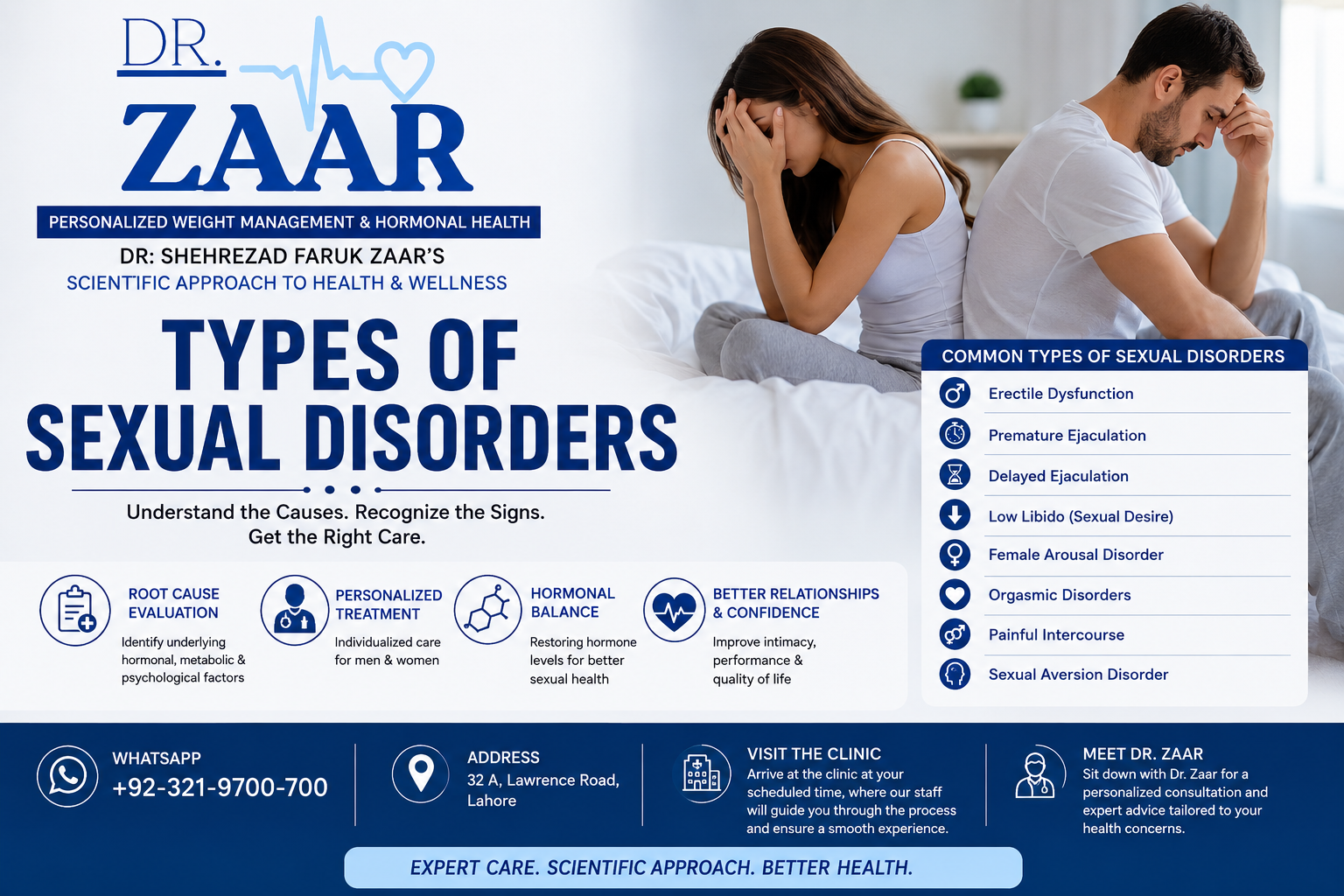
Sexual health is an essential part of physical, emotional, and relationship well-being. Yet, many individuals hesitate to discuss sexual concerns due to embarrassment, cultural barriers, or fear of being judged. Whether the issue involves reduced sexual desire, erectile dysfunction, painful intercourse, orgasmic difficulties, or hormonal imbalances, these conditions deserve professional medical attention rather than being ignored.
Understanding the Types of Sexual Disorders is the first step toward identifying possible underlying causes and receiving appropriate care. Many sexual health concerns are not simply psychological; they may be influenced by hormonal disorders, diabetes, thyroid disease, obesity, cardiovascular conditions, neurological disorders, medication side effects, or other medical issues. Because of this, a comprehensive evaluation is often more beneficial than treating symptoms alone.
The Common Types of Sexual Health Problems affect both men and women of different ages. While some conditions are temporary, others may persist and interfere with confidence, relationships, fertility, and overall quality of life.
DR: SHEHREZAD FARUK ZAAR, recognized by many patients as the “Sherlock Holmes of Endocrinology,” approaches sexual health from a scientific and personalized perspective. Rather than focusing solely on symptoms, he carefully evaluates hormonal balance, metabolic health, endocrine function, and lifestyle factors that may contribute to sexual disorders.
Dr. Zaar, often hailed as the “Sherlock Holmes of Endocrinology,” is a physician whose approach to medicine transcends the conventional. With a profound understanding of the interconnected nature of hormones, Zaar is renowned for uncovering the root causes of complex, multi-systemic disorders that many practitioners overlook. Combining precision diagnostics, holistic treatments, and a patient-first philosophy, he has earned a reputation as a trailblazer in the field of endocrine biochemistry and metabolic medicine.
Understanding Sexual Disorders
Sexual disorders refer to persistent or recurring difficulties experienced during any stage of sexual activity. These difficulties may involve sexual desire, arousal, erection, lubrication, orgasm, ejaculation, or pain during intercourse.
Although occasional sexual problems are common, symptoms that continue for several weeks or months should not be ignored. A proper medical evaluation can help determine whether the issue is primarily physical, psychological, hormonal, neurological, or a combination of several contributing factors.
Sexual disorders are medical conditions—not personal failures. Seeking timely medical advice can improve both sexual health and overall well-being.
Why Sexual Health Should Never Be Ignored
Sexual health is closely connected with many body systems.
Healthy sexual function depends on:
- Proper hormone production
- Healthy blood circulation
- Normal nerve function
- Emotional well-being
- Adequate sleep
- Metabolic health
- Cardiovascular fitness
- Balanced endocrine function
A disturbance in any one of these systems may contribute to sexual difficulties.
For example, erectile dysfunction may sometimes be associated with diabetes or cardiovascular disease, while reduced sexual desire may occur alongside thyroid disorders or hormonal changes.
Rather than treating each symptom separately, DR: SHEHREZAD FARUK CZAR emphasizes understanding the interaction between different body systems before recommending treatment.
What Causes Sexual Disorders?
Sexual disorders rarely have a single cause.
Instead, several factors often interact simultaneously.
Common contributing factors include:
Hormonal Imbalances
Hormones regulate sexual desire, fertility, energy levels, reproductive function, and mood.
Changes involving testosterone, estrogen, thyroid hormones, prolactin, insulin, cortisol, or other endocrine hormones may influence sexual health.
Diabetes
Diabetes can damage nerves and blood vessels, affecting both male and female sexual function.
Poor blood sugar control may contribute to:
- Erectile dysfunction
- Reduced libido
- Vaginal dryness
- Delayed arousal
- Ejaculatory problems
Thyroid Disorders
Both hypothyroidism and hyperthyroidism may affect:
- Libido
- Fertility
- Menstrual cycles
- Erectile function
- Mood
- Energy
Cardiovascular Disease
Healthy blood circulation is essential for sexual function.
Conditions such as:
- High blood pressure
- High cholesterol
- Heart disease
may reduce blood flow to reproductive organs.
Obesity
Excess body weight may contribute to:
- Insulin resistance
- Hormonal imbalance
- Reduced testosterone
- Fatigue
- Poor self-confidence
These factors can collectively influence sexual health.
Stress and Anxiety
Mental health plays a major role in sexual performance.
Chronic stress can contribute to:
- Reduced libido
- Erectile problems
- Performance anxiety
- Difficulty achieving orgasm
Common Types of Sexual Health Problems
The Common Types of Sexual Health Problems vary among individuals.
Below are the most frequently encountered conditions.
- Erectile Dysfunction (ED)
Erectile dysfunction is one of the most recognized sexual disorders affecting men.
It refers to difficulty achieving in the organic way or maintaining an erection sufficient for satisfactory sexual activity.
Possible contributing factors include:
- Diabetes
- Hypertension
- Hormonal disorders
- Cardiovascular disease
- Obesity
- Smoking
- Alcohol
- Stress
- Anxiety
- Depression
- Medication side effects
Persistent erectile dysfunction should always be medically evaluated rather than self-treated.
- Premature Ejaculation
Premature ejaculation occurs when ejaculation consistently happens earlier than desired.
This may result in:
- Relationship stress
- Reduced confidence
- Anxiety
- Sexual dissatisfaction
Potential contributing factors include psychological influences, neurological mechanisms, hormonal changes, or other medical conditions.
- Delayed Ejaculation
Some men experience difficulty reaching ejaculation despite adequate stimulation.
Possible contributing factors include:
- Certain medications
- Diabetes
- Neurological disorders
- Psychological stress
- Hormonal changes
A detailed assessment helps determine the most appropriate management.
- Low Sexual Desire (Low Libido)
Reduced libido affects both men and women.
Common contributing factors include:
- Low testosterone
- Menopause
- Thyroid disease
- Diabetes
- Stress
- Depression
- Anxiety
- Poor sleep
- Certain medications
Occasional changes are normal, but persistent reduction deserves professional evaluation.
- Female Sexual Arousal Disorder
Some women experience difficulty becoming physically aroused despite emotional interest.
Possible contributing factors include:
- Hormonal changes
- Vaginal dryness
- Diabetes
- Menopause
- Stress
- Relationship difficulties
- Certain medications
Proper diagnosis helps identify appropriate treatment options.
- Orgasmic Disorders
Orgasmic disorders involve delayed, absent, or reduced intensity of orgasm.
These conditions may occur in both men and women.
Possible causes include:
- Hormonal abnormalities
- Neurological disorders
- Medications
- Psychological stress
- Chronic illness
- Pain During Sexual Intercourse
Painful intercourse should never be considered normal.
Women may experience pain due to:
- Vaginal dryness
- Infections
- Endometriosis
- Hormonal changes
- Pelvic floor disorders
Men may experience pain because of:
- Prostate conditions
- Infections
- Penile disorders
- Inflammation
Medical evaluation is important whenever pain persists.
- Sexual Aversion Disorder
Some individuals experience extreme fear or avoidance of sexual activity.
This condition may result from:
- Previous traumatic experiences
- Anxiety disorders
- Depression
- Relationship conflict
- Psychological distress
Professional care may involve both medical and psychological assessment.
Why Hormones Matter in Sexual Health
Hormones influence nearly every aspect of sexual function.
They regulate:
- Sexual desire
- Fertility
- Erections
- Menstrual cycles
- Energy
- Mood
- Muscle mass
- Fat distribution
Even relatively small hormonal disturbances may contribute to noticeable symptoms.
However, hormone levels should never be interpreted in isolation.
CZAR MD believes that laboratory findings must always be interpreted alongside:
- Medical history
- Physical examination
- Symptoms
- Lifestyle
- Existing diseases
- Medication history
This individualized approach helps avoid unnecessary treatment while identifying genuine hormonal disorders.
Looking Beyond the Symptoms
One of the defining features of DR: FARUK’s clinical philosophy is investigating the root cause instead of merely suppressing symptoms.
For example:
A patient from anywhare presenting with erectile dysfunction may also have:
- Diabetes
- Thyroid disease
- Obesity
- Sleep apnea
- Hypertension
- Testosterone imbalance
Treating only the visible symptom may overlook an important underlying medical condition.
A comprehensive evaluation therefore provides a better understanding of the patient’s overall health.
The Relationship Between Hormones and Sexual Function
Sexual health is influenced by a complex interaction of hormones, nerves, blood vessels, emotions, and overall physical health. Even when symptoms appear similar in two individuals, the underlying causes can be very different. This is why hormonal evaluation should always be individualized rather than based on assumptions.
Hormones regulate many aspects of sexual function, including:
- Sexual desire (libido)
- Reproductive health
- Erectile function
- Vaginal lubrication
- Mood and emotional stability
- Energy production
- Fertility
- Muscle mass and body composition
An imbalance in one or more hormones does not always result in a sexual disorder, but hormonal disturbances can contribute to symptoms when combined with other medical conditions.
DR: SHAHZAD ZAAR evaluates hormone-related symptoms within the broader context of each patient’s endocrine and metabolic health rather than relying solely on laboratory values.
Testosterone and Male Sexual Health
Testosterone is one of the most important hormones influencing male reproductive health.
Healthy testosterone levels contribute to:
- Sexual desire
- Erectile function
- Muscle strength
- Bone health
- Mood
- Energy
- Fertility
Low testosterone may sometimes be associated with:
- Reduced libido
- Fatigue
- Loss of muscle mass
- Mood changes
- Reduced sexual satisfaction
However, these symptoms are not specific to testosterone deficiency alone. Similar symptoms may also occur because of diabetes, thyroid disease, depression, chronic illness, poor sleep, obesity, or medication side effects.
For this reason, testosterone replacement should never be started without proper medical evaluation.
Estrogen and Female Sexual Health
Although estrogen is commonly associated with reproductive health, it also plays an essential role in maintaining sexual wellness.
Healthy estrogen levels help support:
- Vaginal lubrication
- Tissue elasticity
- Sexual comfort
- Bone health
- Urinary health
Changes in estrogen may occur during:
- Menopause
- Perimenopause
- Certain endocrine disorders
- Medical treatments affecting ovarian function
Women experiencing persistent discomfort while performing activity or changes in sexual function during performing should seek medical advice while faceing rather than assuming symptoms are simply part of aging.
Diabetes and Sexual Disorders
Among chronic medical conditions, diabetes is one of the most common contributors to sexual dysfunction.
Persistently elevated blood sugar levels may affect:
- Blood vessels
- Nerve function
- Hormonal regulation
- Energy levels
In Men
Diabetes may contribute to:
- Erectile dysfunction
- Delayed ejaculation
- Reduced libido
- Ejaculatory disorders
In Women
Diabetes may contribute to:
- Vaginal dryness
- Reduced arousal
- Pain during intercourse
- Lower sexual desire
Managing blood glucose effectively may improve overall health and reduce the impact of diabetes-related complications. However, treatment should always be individualized based on each patient’s medical condition.
Thyroid Disorders and Sexual Function
The thyroid gland regulates metabolism throughout the body.
Both hypothyroidism and hyperthyroidism can influence:
- Libido
- Menstrual cycles
- Fertility
- Mood
- Energy
- Erectile function
Some patients first notice sexual symptoms before recognizing more typical thyroid-related complaints.
Because thyroid disorders may mimic many other conditions, proper diagnosis is essential before treatment is considered.
Obesity and Sexual Health
Obesity influences multiple systems that affect sexual function.
These include:
- Hormonal regulation
- Insulin sensitivity
- Cardiovascular health
- Joint mobility
- Psychological well-being
- Physical endurance
Individuals with obesity are more likely to experience:
- Diabetes
- Hypertension
- Sleep apnea
- Reduced testosterone
- Fatigue
These conditions may collectively contribute to sexual difficulties.
DR: CZAR emphasizes sustainable improvement in metabolic health rather than pursuing rapid weight-loss methods that may not address underlying endocrine concerns.
Cardiovascular Health and Sexual Disorders
Healthy blood circulation is fundamental for normal sexual function.
Conditions affecting blood vessels may interfere with:
- Erectile function
- Genital blood flow
- Sexual performance
Risk factors include:
- Smoking
- High cholesterol
- Diabetes
- High blood pressure
- Physical inactivity
Sometimes sexual dysfunction may serve as an early indication that broader cardiovascular evaluation is appropriate.
Psychological Factors That Affect Sexual Health
Sexual disorders are not always caused by physical illness.
Psychological factors may include:
- Anxiety
- Depression
- Relationship conflict
- Performance anxiety
- Emotional stress
- Low self-esteem
- Previous traumatic experiences
Importantly, psychological causes do not make symptoms “imaginary.”
The brain plays a central role in sexual function, interacting continuously with hormones, blood vessels, nerves, and emotions.
Many patients experience both physical and psychological contributors simultaneously.
Sleep and Sexual Wellness
Sleep is one of the most overlooked aspects of reproductive health.
Inadequate sleep may contribute to:
- Fatigue
- Hormonal fluctuations
- Mood disturbances
- Reduced energy
- Lower libido
- Increased stress
Sleep disorders such as obstructive sleep apnea may also influence testosterone production and overall endocrine function.
Improving sleep quality supports both general health and sexual wellness.
Lifestyle Habits That Influence Sexual Function
Several healthy lifestyle habits support sexual well-being.
These include:
Regular Exercise
Exercise promotes:
- Healthy circulation
- Better cardiovascular fitness
- Improved insulin sensitivity
- Enhanced mood
- Weight management
Balanced Nutrition
Nutritious eating supports:
- Hormonal health
- Energy production
- Metabolic function
- Cardiovascular health
No single food acts as a cure for sexual disorders, but an overall healthy eating pattern contributes to better long-term health.
Smoking Cessation
Smoking damages blood vessels and increases cardiovascular risk.
Quitting smoking benefits both general health and sexual function.
Limiting Alcohol
Excessive alcohol consumption may contribute to:
- Erectile dysfunction
- Reduced libido
- Delayed orgasm
- Hormonal changes
Moderation is generally recommended according to individual health circumstances.
When Should You See a Doctor?
Professional evaluation is advisable if sexual symptoms:
- Continue for several weeks or months
- Cause emotional distress
- Affect relationships
- Occur alongside diabetes
- Occur alongside thyroid disease
- Develop suddenly
- Are associated with pain
- Interfere with fertility
- Worsen progressively
Early evaluation often allows underlying medical conditions to be identified before complications develop.
What Happens During a Sexual Health Consultation?
A consultation usually begins with a confidential discussion.
The physician may ask about:
- Current symptoms
- Medical history
- Previous illnesses
- Medications
- Lifestyle habits
- Sleep quality
- Hormonal symptoms
- Reproductive history
- Mental health
- Family history
Depending on individual circumstances, further evaluation may include laboratory investigations or other diagnostic procedures.
Every patient requires a personalized approach rather than a standardized protocol.
Healthy Weight Management Can Support Overall Sexual Wellness
Our article “Pakistan’s Leading Weight Loss Clinic for Personalized Weight Management and Hormonal Health” discusses how maintaining a healthy body weight may positively influence overall endocrine and metabolic function. Although weight management is not a universal treatment for sexual disorders, obesity frequently coexists with diabetes, insulin resistance, hypertension, sleep disorders, and hormonal changes that may contribute to sexual health concerns. Sustainable lifestyle improvements often enhance cardiovascular fitness, physical energy, and general well-being, all of which play important roles in sexual health. CZAR MD emphasizes that healthy weight management should focus on improving long-term metabolic function rather than simply reducing body weight. When sexual symptoms occur alongside obesity or endocrine disorders, evaluating these conditions together provides a more comprehensive understanding of the patient’s health and supports more individualized care.
The Importance of Individualized Diagnosis
One of the most common mistakes is assuming that every sexual disorder has the same cause.
For example:
Two men with erectile dysfunction may have completely different underlying conditions.
One patient may have:
- Diabetes
- Hypertension
- Obesity
Another may have:
- Anxiety
- Depression
- Medication side effects
Likewise, two women with reduced libido may have entirely different contributing factors, including menopause, thyroid disease, chronic stress, or relationship difficulties.
Because every patient is unique, treatment should always be based on individualized medical assessment rather than assumptions or internet advice.
Why Self-Diagnosis Can Delay Proper Treatment
Many people rely on internet searches, herbal products, or over-the-counter supplements before seeking medical advice.
Unfortunately, this may delay diagnosis of important medical conditions such as:
- Diabetes
- Cardiovascular disease
- Hormonal disorders
- Thyroid disease
- Neurological disorders
Some unregulated supplements may also contain undisclosed ingredients or interact with prescription medications.
Consulting a qualified physician remains the safest and most effective approach.
Modern Treatment Approaches for Sexual Disorders
Successful treatment for any problem begins with identifying the underlying cause of that disease rather than simply masking symptoms. Since sexual disorders may result from hormonal, metabolic, psychological, neurological, vascular, or lifestyle-related factors, every patient requires an individualized treatment plan.
Depending on the diagnosis, management may include:
- Hormonal evaluation and treatment when medically indicated
- Diabetes management
- Thyroid disorder treatment
- Lifestyle modification
- Weight management
- Nutritional counseling
- Stress reduction strategies
- Psychological counseling
- Couples therapy when appropriate
- Treatment of infections or inflammatory conditions
- Medication review
- Management of cardiovascular risk factors
The goal is not only to improve sexual function but also to enhance overall health and quality of life.
Personalized Endocrine Assessment
One of the distinguishing features of DR: SHEHREZAD FARUK ZAAR’s clinical philosophy is identifying medical conditions that may contribute to sexual dysfunction but often remain undiagnosed.
Rather than focusing exclusively on one symptom, a comprehensive assessment may evaluate:
- Hormonal balance
- Thyroid function
- Blood glucose metabolism
- Cardiovascular health
- Body composition
- Sleep quality
- Medication history
- Lifestyle habits
- Emotional well-being
This integrated approach allows treatment recommendations to be based on the patient’s complete health profile instead of isolated symptoms.
Sexual Disorders Across Different Age Groups
Sexual health concerns can occur at virtually any stage of adult life.
Young Adults
Common concerns may include:
- Performance anxiety
- Premature ejaculation
- Reduced confidence
- Hormonal disorders
- Psychological stress
Middle-Aged Adults
Medical conditions become increasingly important contributors, including:
- Diabetes
- Hypertension
- Obesity
- Thyroid disease
- Metabolic syndrome
Older Adults
Sexual health for both genders remains an important aspect of quality of life.
Age alone does not cause sexual dysfunction, although age-related medical conditions and hormonal changes may influence sexual function.
Many older adults benefit from proper medical evaluation instead of assuming symptoms are simply part of aging.
Maintaining Long-Term Sexual Health
Although not every sexual disorder for men or women can be prevented, several healthy habits if these are practiced support long-term reproductive and endocrine health.
These include:
Maintain Healthy Blood Sugar
Proper diabetes management supports healthy blood vessels and nerve function.
Stay Physically Active
Regular exercise promotes cardiovascular fitness, healthy circulation, and metabolic health.
Eat a Balanced Diet
Nutritious eating patterns support hormone production and overall well-being.
Prioritize Sleep
Adequate sleep contributes to hormone regulation, emotional health, and energy.
Manage Stress
Relaxation techniques, physical activity, and psychological support may help reduce chronic stress.
Avoid Tobacco
Smoking negatively affects circulation and increases cardiovascular risk.
Attend Regular Medical Checkups
Routine medical evaluations may identify endocrine or metabolic disorders before complications develop.
Dispelling Common Myths About Sexual Disorders
Many misconceptions prevent people from seeking timely medical care.
Myth 1: Sexual disorders only affect older adults.
Fact: Sexual health concerns may affect adults of any age.
Myth 2: Every erectile problem is caused by low testosterone.
Fact: Erectile dysfunction has many possible causes, including diabetes, vascular disease, medications, stress, and neurological conditions.
Myth 3: Sexual problems are always psychological.
Fact: Many sexual disorders have identifiable medical or hormonal contributors.
Myth 4: Herbal supplements permanently cure sexual disorders.
Fact: Scientific evidence supporting many unregulated supplements is limited, and some products may contain undisclosed ingredients.
Myth 5: Sexual disorders should simply be accepted.
Fact: Persistent symptoms deserve professional evaluation because many underlying causes can be identified and appropriately managed.
When Immediate Medical Attention May Be Necessary
Although many sexual disorders develop gradually, some situations require prompt medical assessment.
Examples include:
- Sudden loss of erectile function accompanied by chest pain or cardiovascular symptoms
- Persistent painful erections
- Severe genital pain
- Significant trauma
- Symptoms associated with infection and fever
- Sudden neurological symptoms affecting sexual function
Seeking timely medical care in these situations is important.
Supporting Overall Wellness Through Personalized Care
DR: FARUK believes that sexual health should be considered within the context of the patient’s complete medical picture.
Many individuals experience several seemingly unrelated symptoms simultaneously, including:
- Fatigue
- Weight gain
- Diabetes
- Reduced libido
- Poor sleep
- Mood changes
- Thyroid abnormalities
Rather than viewing each symptom independently, a comprehensive endocrine and metabolic evaluation may reveal important clinical relationships.
This patient-centered philosophy has become one of the defining characteristics of DR: CZAR’s approach to endocrine medicine.
The Relationship Between Healthy Fat Reduction and Hormonal Balance
Our previous article, “Best Fat Loss Specialist in Pakistan – Dr. Zaar’s Scientific Approach to Healthy Fat Reduction,” explains how excess body fat can influence metabolic and endocrine health. Increased body fat is often associated with insulin resistance, chronic inflammation, altered hormone regulation, and cardiovascular risk factors. These same conditions may contribute to certain sexual health concerns in both men and women. While healthy fat reduction is not a direct treatment for every sexual disorder, improving metabolic health may positively affect overall well-being when obesity is an underlying contributing factor. DR: SHEHREZAD CZAR emphasizes evidence-based weight management strategies that focus on sustainable health improvements rather than short-term results. Understanding the interaction between metabolism, hormones, and sexual function allows healthcare providers to develop more comprehensive and individualized treatment plans.
Scientific Weight Management and Sexual Health
Another helpful resource is our article, “Best Weight Loss Specialist in Pakistan – DR: SHEHREZAD FARUK ZAAR’s Scientific Approach to Healthy Weight Management.” It highlights how sustainable weight management supports endocrine function, cardiovascular health, and metabolic balance. Individuals living with obesity frequently experience conditions such as diabetes, hypertension, sleep apnea, and hormonal disturbances, all of which may influence sexual wellness. Although achieving a healthy weight is not a standalone solution for sexual disorders, it can become an important component of comprehensive medical care when metabolic disease contributes to symptoms. CZAR MD focuses on personalized weight management programs that consider hormone balance, nutritional status, and long-term health objectives instead of promoting rapid or unsustainable weight-loss methods. This holistic philosophy complements the evaluation and management of patients presenting with complex sexual health concerns.
Why Patients Choose Dr. Zaar
Patients appreciate DR: SHAHZAD ZAAR because of his commitment to understanding the complete medical picture rather than concentrating solely on one symptom.
His clinical approach emphasizes:
- Individualized evaluation
- Root-cause investigation
- Precision diagnostics
- Hormonal assessment
- Metabolic health
- Patient education
- Evidence-based treatment
- Long-term wellness
Every treatment plan is designed according to the patient’s specific medical history, symptoms, examination findings, and diagnostic results.
What to Expect During Your Visit
If you are experiencing persistent sexual health concerns, scheduling a professional consultation can help clarify possible contributing factors.
WhatsApp: +92-321-9700-700
Address: 32 A, Lawrence Road, Lahore
Visit the Clinic
Arrive at the clinic the Dr: Zaar at your scheduled time, where our staff of the clinic will guide you through the process and ensure a smooth experience.
Meet Dr. Zaar
Sit down with Dr. Zaar for a personalized consultation and expert advice tailored to your health concerns.
During your appointment, your medications, lifestyle, symptoms, medical history, and relevant health conditions will be discussed about patient in a confidential and respectful environment. When appropriate, additional investigations may be recommended to better understand the underlying cause and develop an individualized management plan.
Frequently Asked Questions (FAQs)
Are sexual disorders common?
Yes. Sexual disorders affect both men and women and may occur at different stages of life. Many cases are treatable once the underlying cause is identified.
Can hormonal problems cause sexual disorders?
Hormonal imbalances may contribute to reduced libido, erectile dysfunction, fertility concerns, menstrual irregularities, and other sexual health problems in some individuals.
Does diabetes increase the risk of sexual dysfunction?
Yes. Diabetes may affect blood vessels and nerves, increasing the likelihood of sexual health concerns if not well managed.
Should I ignore occasional sexual problems?
Occasional difficulties are common. However, persistent or recurring symptoms should be evaluated by a qualified healthcare professional.
Can lifestyle improvements help?
Healthy lifestyle habits—including regular physical activity, balanced nutrition, adequate sleep, smoking cessation, and effective management of chronic medical conditions—can support overall sexual and metabolic health. These measures complement, but do not replace, appropriate medical evaluation and treatment.
Conclusion
Understanding the Types of Sexual Disorders is essential for recognizing when professional medical evaluation may be needed. Sexual health concerns are often multifactorial, involving interactions between hormones, metabolism, cardiovascular health, neurological function, emotional well-being, and lifestyle.
The Common Types of Sexual Health Problems include erectile dysfunction, premature ejaculation, delayed ejaculation, low libido, orgasmic disorders, painful intercourse, female sexual arousal disorders, and other conditions that deserve compassionate and evidence-based care.
Rather than relying on self-diagnosis or temporary solutions, individuals experiencing persistent symptoms should seek a comprehensive medical assessment.
DR: SHEHREZAD FARUK ZAAR, DR: SHEHREZAD FARUK CZAR, DR: SHEHREZAD CZAR, DR: SHAHZAD ZAAR, CZAR MD, DR: FARUK, DR: CZAR, and DR: ZAAR are recognized for a patient-centered approach that integrates endocrine science, metabolic medicine, and precision diagnostics to identify possible underlying causes and develop personalized treatment strategies.
With timely evaluation, appropriate diagnosis, and individualized care, many people can better understand their condition and take meaningful steps toward improving both their sexual health and overall well-being.
Related Blogs
- August 15, 2026
How Do I Know If I.
Sexual health is an important part of physical, hormonal, reproductive, and emotional well-being. However, many people are unsure whether a.
Read More
- August 15, 2026
Best Sexual Health Specialist in Pakistan,.
Sexual health is an important part of overall physical, hormonal, reproductive, and emotional well-being. Yet many people hesitate to discuss.
Read More