


Understanding Short Height in Children: Genetic vs. Medical Factors

The height of a child is a matter of concern for many parents. While short stature is commonly associated with genetic factors, it’s essential to understand the various factors that influence growth. A combination of hereditary traits, medical conditions, and environmental factors can influence height. This article explores the significant reasons behind short height in children, comparing genetic factors and medical conditions that may affect a child’s growth.
1. Understanding Growth and Height Development in Kids
Children grow at different speeds, and many factors influence how they develop. Growth usually happens fastest in early childhood and again during the teenage years. One key part of this process is the growth plates, which are found at the ends of long bones. These soft areas allow bones to lengthen and slowly close as a child becomes an adult. The timing and speed of growth spurts, especially during puberty, play a big role in determining final height. Knowing how growth works helps in understanding the possible reasons for shorter height.
2. Genetic Factors Affecting Height
Genetics plays a central role in determining a child’s potential height. A child inherits genes from both parents, which influence their growth patterns. Generally, taller parents tend to have taller children, and shorter parents are likely to have shorter children. However, it’s important to note that while genetics gives an estimate of a child’s potential height, it’s not the sole determinant.
Hereditary Influence: If both parents are of short stature, there’s a high likelihood that the child will also be shorter than average. Similarly, if parents are tall, their child is likely to inherit traits contributing to a taller stature. While this is a natural progression, certain genetic conditions can influence growth, limiting a child’s height potential.
Genetic Conditions: There are certain inherited conditions that may restrict a child’s growth. For instance, some children may experience growth abnormalities due to syndromes such as Turner syndrome, which affects girls, or Marfan syndrome, which can influence bone and connective tissue growth.
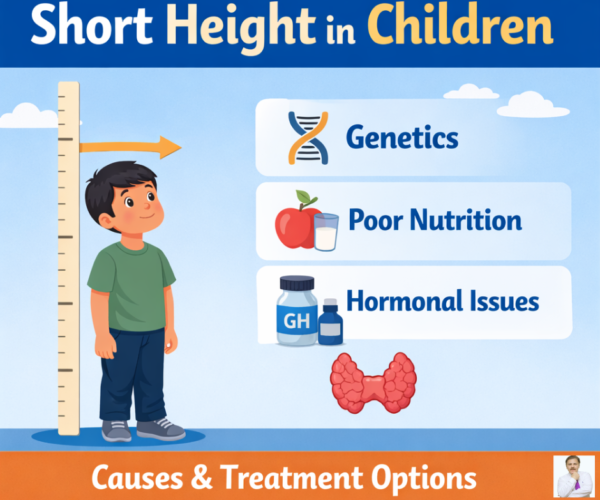
3. Medical Reasons for Short Height in Kids
While genetics is the leading factor, several medical reasons can contribute to shorter stature. These factors often stem from health issues or hormonal imbalances that affect a child’s growth rate. Any medical condition that affects a child’s growth should be checked by a nearby healthcare professional who has experience with pediatric growth disorders.
Hormonal Imbalances:
- Growth Hormone Deficiency: Growth hormone (GH) is essential for proper physical development. If the pituitary gland fails to produce enough GH, children may experience stunted growth. This condition can be diagnosed and treated with hormone therapy.
- Thyroid Disorders: Thyroid hormones play a significant role in growth. Disorders such as hypothyroidism can result in poor growth, even though the child may appear to develop normally in other areas.
Nutritional Deficiencies:
Proper nutrition is key to healthy growth. Deficiencies in vital nutrients can hinder development.
- Calcium & Vitamin D: These nutrients are essential for bone growth and development. A lack of calcium and vitamin D can lead to stunted growth and poor bone density.
- Iron Deficiency: Iron is crucial for oxygen transport and overall cell function. Children who do not get enough iron may experience delayed physical growth.
Chronic Illnesses and Medical Conditions:
Several medical conditions can influence a child’s growth trajectory. These include asthma, gastrointestinal disorders, kidney disease, and other chronic illnesses. The prolonged impact of these conditions can interfere with nutrient absorption or hormone production, leading to stunted growth. Additionally, medications such as corticosteroids, used for conditions like asthma, may also affect height by interfering with bone development.
Other Medical Causes:
Conditions like Turner syndrome, Marfan syndrome, and other growth-related syndromes can cause abnormalities in a child’s height. These conditions typically require specialised treatment to manage growth issues.
4. Identifying the Root Cause of Short Stature
If you notice that your child is significantly shorter than their peers, it’s essential to investigate the underlying cause. While many children naturally grow at a slower pace, certain signs might indicate medical concerns that require professional intervention.
When to Consult a Doctor: If your child’s growth appears delayed or abnormal compared to growth charts, or if they have other symptoms like fatigue or poor appetite, it’s time to consult a healthcare professional. In many cases, an endocrinologist or pediatric growth specialist can offer insights into the cause of short stature.
Diagnostic Tools:
- Growth Charts: These are used to track a child’s growth over time. Significant deviations from the expected growth pattern may indicate a problem.
- Blood Tests: Blood tests can measure hormone levels, nutrient deficiencies, and overall health.
- X-rays and Bone Age Tests: These tests assess the maturity of a child’s bones and can indicate if growth plates are still open or if growth is nearing completion.
A pediatric endocrinologist or a specialised growth doctor can help identify the cause of your child’s short stature and suggest appropriate treatment options.
5. Treatment Options for Height Issues in Children
Treatment for height-related issues depends on the underlying cause, and specialised care for short height in children often involves a combination of medical evaluation, nutritional guidance, and hormonal assessment. If a medical condition is identified, there are several ways to manage and sometimes improve growth outcomes.
Hormone Therapy: For children diagnosed with growth hormone deficiency, hormone replacement therapy can be beneficial. This treatment stimulates growth and helps the child reach their full height potential.
Nutritional Interventions: A balanced diet rich in essential nutrients is vital for healthy growth. If a child has deficiencies, supplements may be prescribed to ensure proper nutrition and development.
Managing Chronic Illnesses: If a chronic condition is affecting growth, managing the illness may lead to improved height outcomes. Addressing the root cause, whether it’s gastrointestinal issues or asthma, can help restore a more typical growth trajectory.
Surgical Options: In extreme cases, surgery may be considered to address growth issues. Lengthening procedures are typically reserved for adults but may be explored in rare pediatric cases.
6. Genetic vs. Medical: Key Differences in Treatment and Management
While genetics is a major factor in determining a child’s height, medical conditions can often be treated or managed. Genetic short stature cannot be altered through medical intervention, but knowing your child’s genetic potential can help set realistic growth expectations.
Medical Causes: For children with short stature due to medical reasons, early diagnosis and treatment can lead to better outcomes. Treating hormone imbalances, providing nutritional support, or managing chronic illnesses can significantly improve growth.
Monitoring Growth: Regardless of whether short stature is caused by genetics or medical conditions, regular monitoring and consultations with a pediatric specialist can ensure that any underlying issues are addressed promptly.
7. Conclusion
Understanding the reasons behind a child’s short height is crucial for parents. While genetics often play a dominant role in determining height, medical factors such as hormone imbalances, nutritional deficiencies, and chronic illnesses can also affect growth. Early detection and appropriate treatment can help mitigate the effects of medical causes. If parents are concerned about their child’s growth, it’s best to consult a professional. They can schedule a consultation with a pediatric growth specialist to understand their child’s growth potential and treatment options. Consulting a local pediatric growth expert offers helpful insight and treatment options for height-related issues.
By differentiating between genetic and medical factors, parents can make informed decisions regarding their child’s health and growth potential, ensuring they receive the best care possible for optimal development.
How Testosterone Drives Overconfidence in Corporate.
In the world of corporate decision-making, there’s a subtle yet powerful force at play – testosterone. This hormone, primarily associated.
Read Morewhat is leptin and its main.
In the complex world of human physiology, leptin emerges as a crucial hormone, primarily responsible for regulating energy balance and.
Read More