



Diabetes in Children
Outline of the Article
- Introduction to Blood Sugar Disorders in Children
- Understanding Blood Sugar Disorders
- Incidence in Youngsters
- Types of Blood Sugar Disorders in Youngsters
- Type 1 Blood Sugar Disorder
- Type 2 Blood Sugar Disorder
- Causes of Blood Sugar Disorders in Children
- Hereditary Influences
- Environmental Factors
- Signs to Be Aware Of
- Typical Signs
- Advisable Moments for Medical Consultation
- Diagnosing Blood Sugar Disorders in Youngsters
- Health Assessments
- Analyzing Test Outcomes
- Approaches to Management and Care
- Insulin Regimen
- Nutritional and Physical Activity Guidelines
- Obstacles in Handling Blood Sugar Disorders in Youngsters
- Emotional and Social Considerations
- Learning and Developmental Aspects
- Innovations in Treatment Technology
- Automated Insulin Delivery Systems
- Glucose Monitoring Devices
- Diet’s Impact in Controlling Blood Sugar Disorders
- Nutritional Guidelines
- Avoidable Food Items
- Physical Exercise and Activity
- Suggested Exercises
- Effects on Glucose Balance
- Supporting Affected Children and Their Families
- Community and Emotional Support
- Learning Resources
- Long-Term Health Implications
- Potential Complications
- Consistent Medical Evaluations
- Preventing Type 2 Blood Sugar Disorder in Youngsters
- Changes in Lifestyle
- Proactive Measures
- Current Research and Future Directions
- Active Research
- Prospective Advances
- Conclusion
Blood Sugar Disorders in Children

-
Introduction to Blood Sugar Disorders in Children
-
- Firstly, blood sugar disorders are on the rise in youth. Consequently, understanding them is crucial for parents and caregivers.
-
-
Types of Diabetes in Children
- Secondly, youngsters may be affected by either Type 1 or Type 2 blood diabetes. The former, more prevalent, results from the body’s inability to produce insulin. The latter, typically observed in adults, is also seen in kids due to lifestyle choices.
-
Causes of Blood Sugar Disorders in Children
- The causes of these disorders in youth are multifaceted: Type 1 is largely genetic, whereas Type 2 is linked to lifestyle choices, such as diet and exercise.
-
Signs to Be Aware Of
- Prompt recognition of symptoms like excessive thirst, frequent urination, fatigue, and unexplained weight loss is crucial. Seek medical advice if these occur.
-
Diagnosing Diabetes in Children
- Diagnosis involves glucose level testing. Likewise, comprehending these results is key to devising an effective care plan.
-
Approaches to Management and Care
- Treatment includes insulin for Type 1 and lifestyle changes for Type 2, with both types needing diet and exercise adjustments.
-
Obstacles in Handling Diabetes in Youngsters
-
-
Innovations in Treatment Technology
- On the other hand, recent tech advances like automated insulin systems and glucose monitors have enhanced children’s diabetes management.
-
Diet’s Impact in Controlling Blood Sugar Disorders
- Maintaining a balanced diet is key. It should involve foods that stabilize glucose levels while avoiding those high in sugar and fat.
-
Physical Exercise and Activity
- Routine activity is essential for glucose control and overall health. The activities should be suitable for their age and enjoyable.
-
Supporting Affected Children and Their Families
- Assistance from health experts, support networks, and educational materials is crucial for both the children and their families.
-
Long-Term Health Implications
- Frequent health checks are necessary to monitor potential complications and ensure overall health.
-
Preventing Type 2 Diabetes in Youngsters
- Adopting a healthy lifestyle and early proactive measures can greatly reduce the risk of Type 2 in youngsters.
-
Current Research and Future Directions
- Finally, ongoing research focuses on understanding these disorders and finding new treatments for affected children’s improved quality of life.
FAQs
- Q1: Can children outgrow diabetes disorders?
- No, these are lifelong conditions. Proper management, however, enables a healthy lifestyle.
- Q2: How does diet impact a child with diabetes?
- Nutrition is key in regulating glucose levels. Furthermore, a balanced diet aids in maintaining stable glucose.
- Q3: Are new treatments for childhood blood sugar disorders emerging?
- Indeed yes, continuous advancements in research are leading to improved treatment methods and technologies.
- Q4: How can families aid a child with a blood sugar disorder?
- Indeed families can help by learning about the condition, promoting healthy habits, and offering emotional support.
- Q5: Is it safe for children with blood sugar disorders to engage in sports?
- Yes, exercise is encouraged, but monitoring glucose levels and taking necessary precautions is important.
You would also like to read: what is the role of glucagon in diabetes?
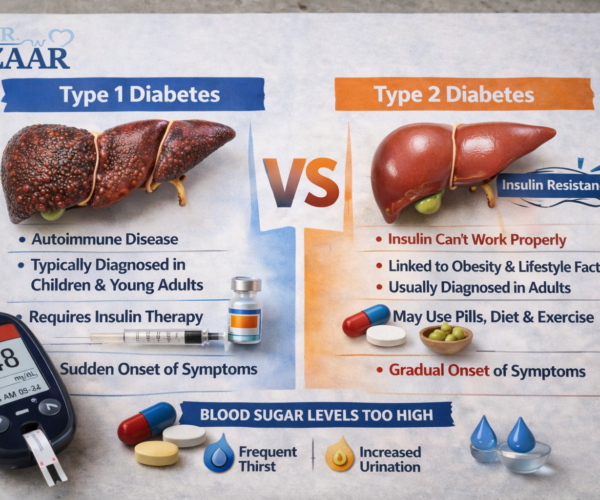
Difference Between Type 1 and 2.
Diabetes is a long term disorder where the body becomes insensitive to process sugar (glucose). Although the term diabetes is.
Read More
Gestational Diabetes Diet Tips for a.
Gestational diabetes is a common condition that affects many women during pregnancy. Managing your blood sugar is essential not only.
Read More