


Weight Loss Tips for Females, Effective Strategies for Healthy Fat Loss, Hormonal Balance & Long-Term Weight Management
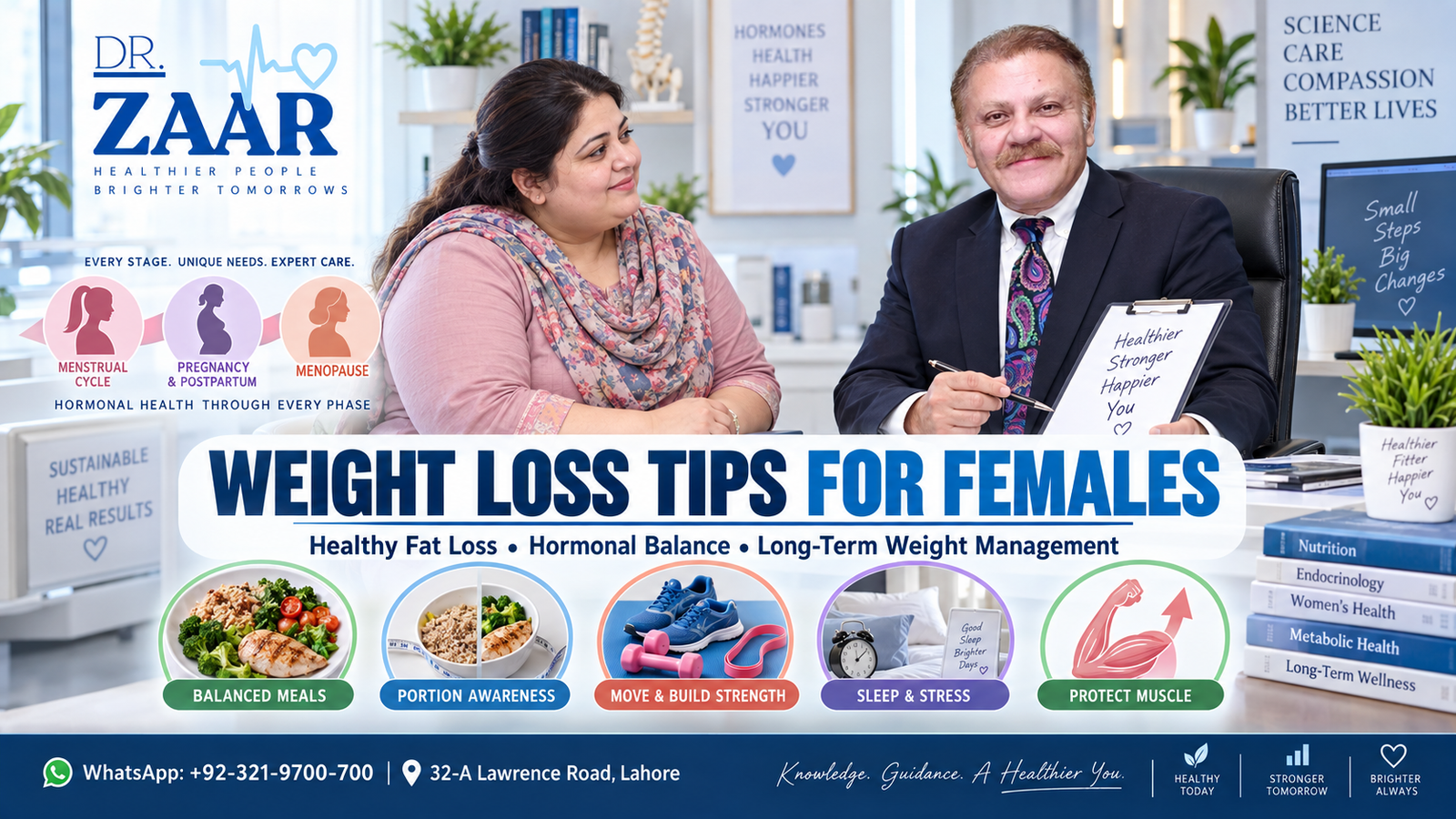
Weight management can be a different experience for every woman. Although the basic principle of maintaining an appropriate balance between energy intake and energy expenditure applies to everyone, women’s weight can also be influenced by life stage, hormonal changes, pregnancy history, menopause, sleep, stress, medications, physical activity, and underlying metabolic conditions.
For this reason, successful weight loss should not depend on extreme diets, starvation, unverified supplements, or promises of rapid transformation. A more useful approach is to understand the factors affecting weight and develop habits that can realistically continue for months and years.
These Weight Loss Tips for Females provide a practical framework for improving food choices, portion awareness, physical activity, sleep, hydration, stress management, and long-term consistency.
The purpose is not simply to make the number on the weighing scale smaller. Sustainable weight management should also support energy, fitness, muscle preservation, metabolic wellbeing, and quality of life.
Why Women’s Weight Can Change Throughout Life
A woman’s body changes considerably across different stages of life.
Weight and body composition can be affected by:
- Age
- Hormonal changes
- Pregnancy
- Postpartum changes
- Menstrual-cycle-related changes
- Menopause
- Physical activity
- Sleep
- Stress
- Dietary patterns
- Medications
- Certain medical conditions
This means the strategy that worked at age 20 may not necessarily be appropriate at age 40 or 50.
Rather than blaming yourself when your body changes, it is more productive to reassess your current lifestyle and, when necessary, seek professional guidance.
Begin With Awareness Instead of Extreme Restriction
Before starting another strict diet, spend several days observing your normal routine.
Record:
- Meals
- Snacks
- Drinks
- Portion sizes
- Eating times
- Restaurant meals
- Sweet foods
- Physical activity
- Sleep patterns
This can reveal habits that may otherwise remain unnoticed.
For example, someone may eat relatively healthy meals but consume large portions, frequent sweetened beverages, high-calorie snacks, or substantial evening meals.
Awareness makes targeted changes easier.
Make Protein Part of Balanced Meals
Protein is an important component of nutrition and can support muscle maintenance during weight loss.
Appropriate sources can include:
- Eggs
- Fish
- Chicken
- Lean meat
- Yogurt
- Milk
- Lentils
- Beans
- Chickpeas
- Other protein-rich foods
The amount needed varies from person to person.
Protein should be combined with vegetables, appropriate carbohydrate sources, and healthy fats rather than turning every meal into a high-protein diet.
Vegetables Can Make Meals More Satisfying
Vegetables provide fiber, vitamins, minerals, and volume.
Including vegetables in meals can make it easier to create a satisfying plate without relying entirely on calorie-dense foods.
Useful choices include:
- Spinach
- Cucumber
- Tomatoes
- Carrots
- Cauliflower
- Broccoli
- Peppers
- Cabbage
- Green beans
- Mixed salads
The preparation method matters. Deep-frying vegetables or covering them with high-calorie sauces can significantly change their nutritional profile.
Portion Awareness Is More Important Than Food Fear
Many women are told to eliminate particular foods completely.
A more sustainable approach is often to understand portions.
Rice, bread, potatoes, nuts, oils, desserts, and other foods can all fit into different dietary patterns depending on quantity and individual requirements.
Instead of asking:
“Is this food allowed?”
consider asking:
“How much of this food fits my overall plan?”
This creates flexibility while still supporting calorie awareness.
Don’t Automatically Eliminate Carbohydrates
Carbohydrates are frequently blamed for weight gain.
However, carbohydrates are found in many nutritious foods, including:
- Fruits
- Vegetables
- Whole grains
- Oats
- Beans
- Lentils
- Rice
- Potatoes
The quality, portion size, preparation, and total dietary pattern matter.
A woman does not necessarily need to eliminate carbohydrates to achieve healthy weight loss.
Choose Fats Intelligently
Dietary fat is calorie-dense, so portion control matters.
Nutritionally useful sources can include appropriate amounts of:
- Nuts
- Seeds
- Olive oil
- Avocado
- Fish
However, a healthy fat is still a source of calories.
For example, repeatedly adding large amounts of oil to otherwise healthy meals can make calorie control difficult.
Hydration Is an Everyday Weight-Management Habit
Water should generally be the primary beverage for many women.
It can replace sugary beverages and contribute to normal hydration.
Other options may include:
- Unsweetened tea
- Unsweetened coffee
- Sparkling water
- Herbal tea
- Homemade infused water without added sugar
The objective is not to drink excessive amounts of water. It is to maintain appropriate hydration while limiting unnecessary liquid calories.
Be Careful With “Healthy” Drinks
Some beverages are marketed as healthy but can contain significant calories.
Examples include:
- Sweetened smoothies
- Packaged juices
- Flavored coffees
- Sweetened teas
- Energy drinks
- Dessert-style beverages
A homemade smoothie can also become calorie-dense if it contains large amounts of fruit, honey, dates, nut butter, sweetened yogurt, or other ingredients.
Always consider the entire recipe.
Don’t Depend on Detox Diets
“Detox” diets and drinks are frequently marketed as quick solutions.
However, there is no need to rely on a special beverage to make the body perform its normal waste-processing functions.
A healthier approach focuses on:
- Balanced nutrition
- Appropriate hydration
- Physical activity
- Adequate sleep
- Avoiding excessive alcohol where relevant
- Limiting highly processed foods
The body already has systems responsible for processing and eliminating waste.
Physical Activity Should Include More Than Cardio
Walking, cycling, swimming, and other cardiovascular activities can contribute to overall fitness.
But resistance training can also be valuable.
Women can use:
- Bodyweight exercises
- Resistance bands
- Dumbbells
- Weight machines
- Structured strength programs
Maintaining muscle is particularly relevant when losing weight because the objective should be improving body composition rather than simply reducing scale weight.
Walking Is a Practical Starting Point
Not everyone enjoys the gym.
Walking can be an accessible way to increase daily activity.
Consider:
- Walking after meals
- Taking stairs
- Walking during phone calls
- Taking movement breaks at work
- Walking with family
- Going for an evening walk
Consistency is more valuable than an exercise plan that is too difficult to maintain.
Menstrual-Cycle Changes and the Scale
Some women notice changes in body weight or bloating around different stages of the menstrual cycle.
A temporary increase on the scale does not necessarily represent an increase in body fat.
Water retention, digestive changes, and other normal fluctuations can influence body weight.
Therefore, judging progress from one day’s measurement can be misleading.
Looking at longer-term trends is generally more useful.
Pregnancy and Postpartum Weight Management Require Patience
Pregnancy produces major physiological changes.
After childbirth, the body needs time to recover.
Weight management during the postpartum period should therefore be individualized, particularly when breastfeeding, recovering from delivery, or dealing with other health concerns.
Extreme dieting is generally not an appropriate universal recommendation.
Women should discuss nutritional and exercise requirements with an appropriate healthcare professional when needed.
Menopause and Changing Body Composition
Menopause can be accompanied by changes in body composition and fat distribution.
Some women notice that weight management becomes more difficult than it was earlier in life.
Rather than assuming that this means weight loss is impossible, it may be useful to reassess:
- Protein intake
- Strength training
- Daily movement
- Sleep
- Portion sizes
- Stress
- Overall calorie intake
Professional assessment may be appropriate when symptoms or significant changes raise concerns about underlying health issues.
Sleep Is Part of the Weight-Loss Equation
Sleep is frequently overlooked.
Insufficient or disrupted sleep can influence appetite, energy, food choices, and motivation for exercise.
Practical improvements can include:
- Maintaining consistent sleeping hours
- Reducing unnecessary screen exposure before bed
- Avoiding excessive caffeine late in the day
- Creating a relaxing nighttime routine
- Prioritizing adequate sleep
Weight management should not be approached entirely through food.
Stress Eating Is a Real Behavioral Challenge
Some women eat more when they are stressed, overwhelmed, bored, lonely, or emotionally exhausted.
Food may temporarily provide comfort, but repeated stress-related eating can make calorie management difficult.
Try identifying the trigger before reaching for food.
Possible alternatives include:
- Walking
- Talking to someone
- Journaling
- Relaxation exercises
- Reading
- Exercise
- Taking a short break
If emotional eating is severe or persistent, appropriate professional support can be valuable.
Don’t Let Social Events Derail Your Routine
Birthdays, weddings, family gatherings, dinners, and celebrations are part of normal life.
A sustainable weight-loss strategy should allow some flexibility.
Instead of trying to eat perfectly, consider:
- Moderate portions
- Eating slowly
- Choosing vegetables and protein
- Limiting unnecessary sugary drinks
- Enjoying favorite foods without turning one meal into an entire weekend of overeating
Consistency over time matters more than perfection at every meal.
Learn How to Handle Cravings
Cravings are not always signs of physical hunger.
Before eating, ask:
Am I hungry?
Am I tired?
Am I stressed?
Have I eaten enough protein and fiber today?
Is the food simply available?
This does not mean every craving must be resisted. Understanding the reason behind it can help develop better habits.
Weight Loss Should Protect Muscle
Losing weight extremely quickly through severe calorie restriction may not be the best approach for body composition.
A balanced strategy can emphasize:
- Adequate protein
- Resistance exercise
- Reasonable calorie reduction
- Regular movement
- Sleep
- Sustainable habits
The objective should be to reduce excess body fat while supporting physical function and muscle.
Don’t Compare Your Body With Someone Else’s
Two women can follow similar diets and experience different rates of weight change.
Factors include:
- Genetics
- Age
- Body composition
- Activity
- Sleep
- Hormonal status
- Medications
- Health conditions
- Starting weight
Comparing your progress directly with another person’s can create unnecessary frustration.
Track your own trend.
Understanding Common Types of Sexual Health Problems
The Common Types of Sexual Health Problems can involve sexual desire, arousal, erection or lubrication, orgasm, pain, ejaculation, and fertility.
Women may experience sexual concerns for many different reasons, including relationship factors, stress, medications, hormonal changes, medical conditions, or psychological factors.
Weight loss should not be presented as a direct treatment for every sexual-health problem.
However, overall physical and metabolic wellbeing can be relevant to general health. Persistent sexual symptoms deserve appropriate professional assessment rather than self-treatment with supplements, drinks, or unverified remedies.
What Weight Loss Drinks for Females Can Actually Contribute
Weight loss drinks for females can be useful when they help reduce unnecessary liquid calories and support hydration. Water, unsweetened tea, and appropriately prepared beverages can fit into a balanced weight-management routine. However, the idea that a special drink automatically burns body fat is misleading. Ingredients such as lemon, ginger, cinnamon, or green tea can add flavor and variety, but they should not replace appropriate nutrition and physical activity. Smoothies and protein drinks require particular attention to portions because nutritious ingredients can still contribute substantial calories. For women, beverage choices may also need to fit individual circumstances such as pregnancy, breastfeeding, caffeine sensitivity, medications, or other health considerations. The most practical approach is to evaluate drinks as part of the complete diet rather than treating them as standalone fat-loss treatments.
Building on Weight Loss Tips for Males With a More Individualized Perspective
Weight loss tips for males and females often overlap because both require sustainable nutrition, activity, sleep, and appropriate calorie management. However, individual circumstances matter more than generic gender-based rules. Women may experience additional considerations related to menstrual cycles, pregnancy, postpartum recovery, menopause, or other hormonal changes. This means a successful plan should not simply copy a man’s diet and change the food portions. Instead, the strategy should reflect the woman’s current life stage, health requirements, activity level, and nutritional needs. The most useful weight-loss advice is therefore individualized. Instead of chasing a universal “female fat-burning formula,” women can benefit from understanding their own habits and building a routine that remains realistic through work, family responsibilities, social occasions, and changing life circumstances.
How a Weight Loss Consultant Can Help Create a Sustainable Strategy
Choosing a weight loss consultant should involve more than looking for promises of dramatic results. A comprehensive approach can examine eating habits, activity, sleep, body composition, medical history, medications, and relevant metabolic or hormonal factors. Dr. Zaar, often hailed as the “Sherlock Holmes of Endocrinology,” is a physician whose approach to medicine transcends the conventional. With a profound understanding of the interconnected nature of hormones, Zaar is renowned for uncovering the root causes of complex, multi-systemic disorders that many practitioners overlook. Combining precision diagnostics, holistic treatments, and a patient-first philosophy, he has earned a reputation as a trailblazer in the field of endocrine biochemistry and metabolic medicine. Individualized assessment can be particularly useful for women who have repeatedly attempted diets without achieving sustainable results.
When Weight Gain May Need Medical Evaluation
Not every weight problem is caused by eating too much.
Medical assessment may be worthwhile when weight gain is:
- Persistent
- Unexpected
- Difficult to explain
- Associated with significant fatigue
- Accompanied by major changes in menstrual patterns
- Associated with other concerning symptoms
- Resistant to consistent lifestyle changes
Conditions affecting metabolism, hormones, sleep, or other systems may sometimes contribute to weight changes.
The appropriate response is evaluation rather than assuming a lack of discipline.
A Sustainable Daily Routine for Women
A simple routine might include:
Morning:
Water and a balanced breakfast if desired.
Daytime:
Regular meals built around nutritious foods.
Work hours:
Movement breaks and appropriate hydration.
Afternoon:
A planned snack if genuinely needed.
Evening:
A balanced dinner and reasonable portion sizes.
Night:
A consistent sleep routine.
This is an example rather than a universal prescription.
When to Seek Personalized Weight Management
Professional guidance can be particularly useful when a woman:
- Has repeatedly regained lost weight
- Cannot identify why weight continues increasing
- Has substantial excess weight
- Experiences significant appetite difficulties
- Has concerns about metabolic or hormonal health
- Wants an individualized nutrition and lifestyle strategy
A personalized consultation can help identify priorities instead of relying on generic internet advice.
Visit Dr. Zaar
Visit the Clinic: Arrive at the clinic at your scheduled time, where our staff will guide you through the process and ensure a smooth experience.
Meet Dr. Zaar: Sit down with Dr. Zaar for a personalized consultation and expert advice tailored to your health concerns.
WhatsApp: +92-321-9700-700
Address: 32 A, Lawrence Road, Lahore
Frequently Asked Questions About Weight Loss for Females
What is the best weight loss tip for females?
Start with sustainable changes: improve meal quality, control portions, reduce unnecessary liquid calories, increase movement, prioritize sleep, and remain consistent.
Can women lose weight without exercising?
Dietary changes can contribute to weight loss, but physical activity offers important benefits for fitness, muscle, cardiovascular health, and long-term weight management.
Should women completely stop eating rice?
Not necessarily. Rice can be included in an appropriate diet. Portion size and total calorie intake are important.
Why does weight fluctuate during the menstrual cycle?
Hormonal and fluid changes can temporarily affect body weight. A short-term increase does not necessarily represent increased body fat.
Can women lose weight after menopause?
Yes. Weight management can remain possible after menopause, although changes in body composition, activity, sleep, and other factors may require an adjusted strategy.
Are detox drinks necessary?
No. A special detox drink is not necessary for healthy weight management.
Can stress cause weight gain?
Stress can affect eating behavior, sleep, activity, and appetite, which may indirectly contribute to weight gain.
How can women maintain weight after losing it?
Continue the habits that produced the weight loss rather than returning immediately to previous eating and activity patterns.
Conclusion
The most effective Weight Loss Tips for Females are based on sustainable habits rather than extreme restrictions.
Build balanced meals, understand portions, consume appropriate protein, eat nutritious foods, stay hydrated, reduce unnecessary liquid calories, move regularly, include resistance training when appropriate, protect sleep, and manage stress.
Women should also recognize that their nutritional and health needs can change across different stages of life. Menstruation, pregnancy, postpartum recovery, menopause, medications, and medical conditions can all influence the weight-management journey.
Healthy weight loss is not about fighting your body. It is about understanding your individual circumstances and creating a strategy that supports long-term wellbeing.
Related Blogs
- August 25, 2026
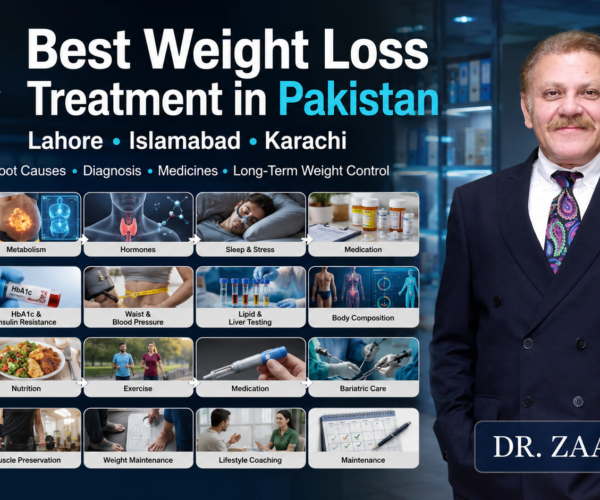
Best Weight Loss Treatment in Pakistan,.
Searching for the best weight loss treatment in Pakistan, Lahore, Islamabad and Karachi can lead patients into a confusing market.
Read More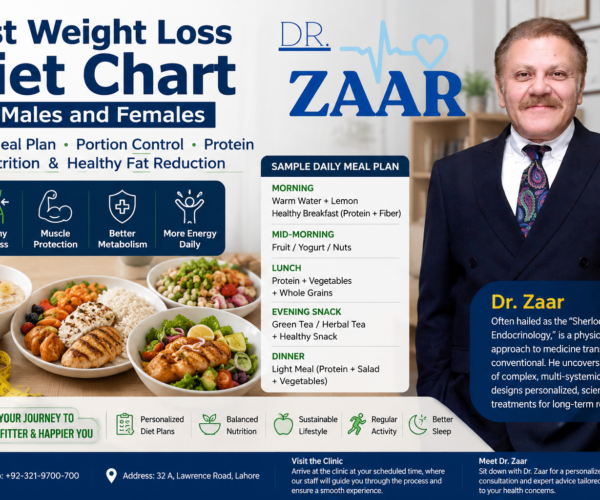
- September 4, 2026
Fast Weight Loss Diet Chart for.
A Fast Weight Loss Diet Chart for Males and Females can provide structure for people who want to reduce excess.
Read More