



Fast Weight Loss Diet Chart for Males and Females, Daily Meal Plan, Portion Control, Protein, Nutrition & Healthy Fat Reduction
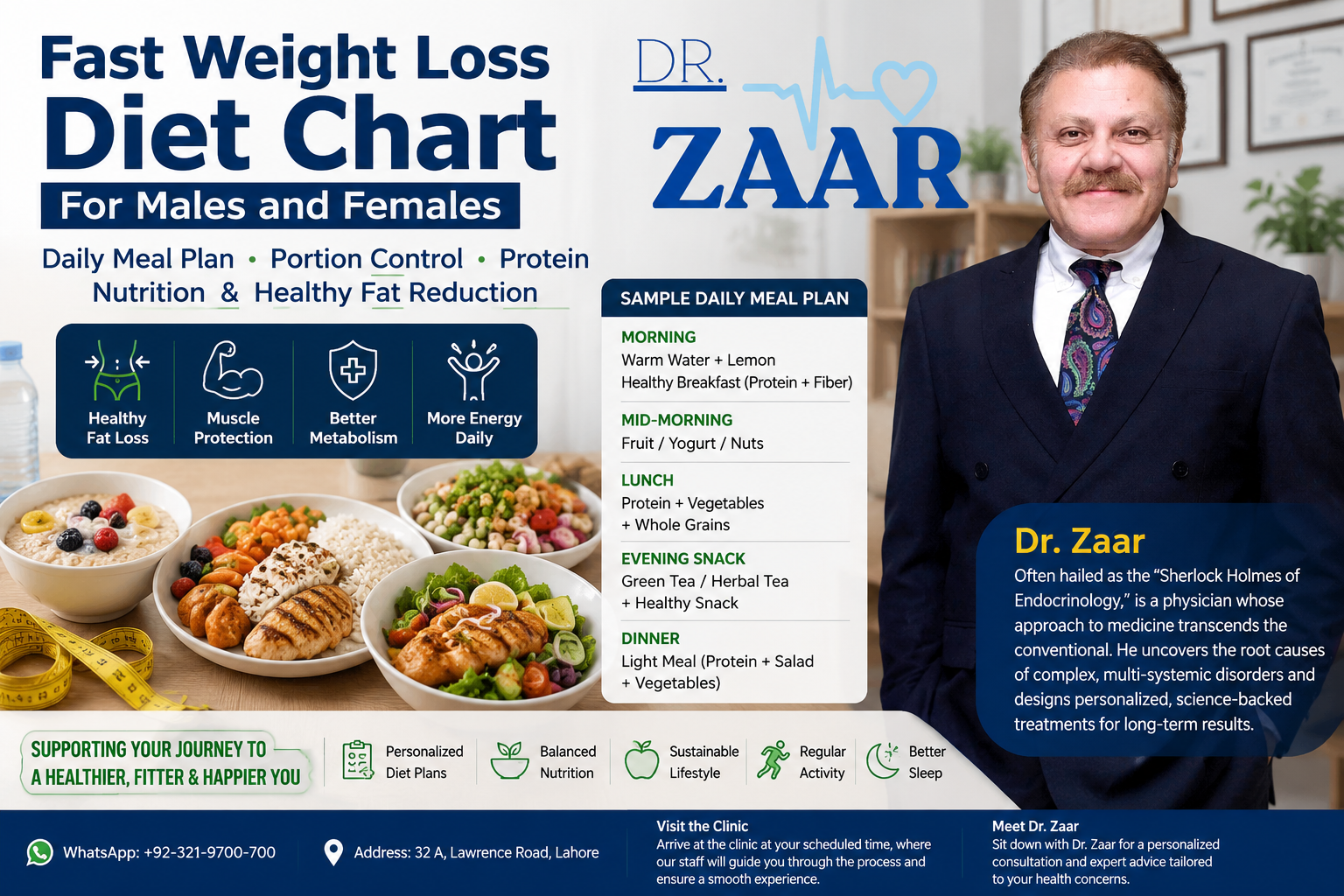
A Fast Weight Loss Diet Chart for Males and Females can provide structure for people who want to reduce excess body weight while maintaining a nutritious and realistic eating pattern. However, “fast” weight loss should not mean starvation, prolonged food restriction, or following an extremely low-calorie diet without appropriate professional supervision. A useful diet chart should help control calorie intake while supplying adequate protein, fiber, essential fats, vitamins, minerals, and fluids.
Men and women can follow many of the same principles for healthy weight reduction, but their calorie requirements and nutritional needs may differ. Age, height, body composition, muscle mass, physical activity, sleep, medications, hormonal factors, and existing health conditions can all influence the appropriate dietary approach.
A well-structured chart therefore works best as a framework rather than a universal prescription. Portion sizes may need to be adjusted according to the individual.
Understanding What a Fast Weight Loss Diet Chart Should Actually Do
A weight-loss diet works primarily by helping create an energy deficit over time. In simple terms, the body needs to use more energy than it receives from food and beverages.
A practical diet chart can make this easier by organizing meals around nutritious, filling foods while limiting unnecessary sources of calories.
An effective chart generally emphasizes:
- Protein-rich foods
- Vegetables
- Fiber-rich carbohydrates
- Whole or minimally processed foods
- Appropriate healthy fats
- Adequate hydration
- Controlled portions
- Regular meal patterns
- Reduced sugary beverages
- Limited highly processed foods
The objective should be to reduce excess body fat while maintaining muscle and nutritional adequacy.
A Practical Morning Routine for Weight Management
The day can begin with hydration and a nutritious breakfast where appropriate.
A simple morning pattern may include water followed by a meal containing protein and fiber.
Examples include:
- Two eggs with vegetables and one slice of whole-grain toast
- Plain yogurt with oats and fruit
- Oatmeal prepared with milk and a suitable protein source
- Vegetable omelet with a controlled serving of roti
- Lentils with vegetables and a moderate carbohydrate portion
There is no requirement that is necessary for everyone to eat breakfast. People have different schedules and preferences. The important consideration is the total nutritional and calorie pattern across the day.
Fast Weight Loss Diet Chart for Males
Men frequently have higher average energy requirements because of differences in body size and muscle mass, but individual requirements vary considerably.
A sample framework may look like this:
Breakfast:
Eggs or another protein source + vegetables + controlled whole-grain carbohydrate.
Mid-morning:
Fruit or plain yogurt if hungry.
Lunch:
Chicken, fish, lean meat, lentils, or beans + vegetables/salad + moderate rice or roti.
Evening:
Unsweetened tea or coffee + a controlled nutritious snack if required.
Dinner:
Protein + cooked vegetables or salad + appropriate carbohydrate portion.
Hydration:
Water throughout the day according to individual needs.
A physically active man may require larger portions than someone with a sedentary lifestyle. A personalized plan should therefore consider exercise and occupation.
Fast Weight Loss Diet Chart for Females
Women’s nutritional requirements also vary substantially according to age, activity level, body composition, reproductive stage, and health status.
A practical framework could include:
Breakfast:
Eggs, yogurt, oats, or another protein-rich option + fruit or vegetables.
Mid-morning:
Fruit, yogurt, or another suitable snack if needed.
Lunch:
Protein + vegetables + a moderate serving of rice, roti, or another carbohydrate.
Afternoon:
A planned snack rather than continuous grazing.
Dinner:
Vegetables + protein + controlled carbohydrate portion.
Women should avoid assuming that eating extremely small portions will automatically produce better results. Excessive restriction can make it difficult to obtain adequate nutrients and may negatively affect adherence.
Why Protein Is a Key Part of a Weight Loss Chart
Protein is important when designing a calorie-controlled eating pattern.
Protein-rich foods can increase satiety and help support lean tissue when combined with appropriate resistance exercise.
Potential choices include:
- Eggs
- Chicken
- Fish
- Lean meat
- Yogurt
- Milk
- Lentils
- Beans
- Chickpeas
- Other suitable protein sources
The appropriate quantity depends on the individual.
Increasing protein does not mean that unlimited protein-rich foods can be consumed without regard to calories. The complete diet still needs to remain balanced.
Vegetables for Volume and Nutritional Quality
Vegetables can help make meals more satisfying while providing fiber and micronutrients.
Useful choices include:
- Cucumber
- Tomato
- Spinach
- Carrot
- Cauliflower
- Cabbage
- Bell peppers
- Green beans
- Broccoli
- Leafy vegetables
Salads can be useful, but calorie-dense dressings and excessive oil can substantially increase the energy content of an otherwise light meal.
Choosing Carbohydrates Without Eliminating Them
A common misconception is that carbohydrates must be completely removed for rapid weight loss.
That is not necessary for everyone.
Roti, rice, oats, potatoes, fruit, legumes, and other carbohydrate-containing foods can fit into a weight-loss diet.
The more important questions are:
- How much is being eaten?
- How frequently?
- What is the preparation method?
- What other foods are included?
- What is the person’s total calorie requirement?
A controlled portion of rice with vegetables and protein can be considerably different from a very large plate of rice accompanied by fried foods and sugary beverages.
Healthy Fats and Portion Awareness
Fats are nutritionally important but energy-dense.
Sources such as nuts, seeds, olive oil, and other suitable unsaturated fats can be included in a balanced diet.
However, “healthy” does not mean calorie-free.
A small amount of oil used for cooking may be appropriate, while excessive oil, butter, creamy sauces, and fried foods can make calorie reduction difficult.
Portion awareness therefore applies to healthy foods as well as foods generally considered unhealthy.
Sample Lunch Combinations
A weight-loss lunch does not have to be complicated.
Possible combinations include:
Option 1: Grilled chicken + mixed vegetables + small rice portion.
Option 2: Fish + salad + moderate roti portion.
Option 3: Lentils + vegetable curry + salad + controlled roti.
Option 4: Chickpeas + vegetables + yogurt.
Option 5: Lean meat + cooked vegetables + moderate carbohydrate portion.
These are examples rather than personalized prescriptions.
Dinner Choices That Keep the Diet Chart Practical
Dinner should not necessarily be skipped.
A balanced dinner can contain protein, vegetables, and an appropriate carbohydrate serving.
For example:
- Grilled fish with vegetables
- Chicken with salad and a small roti
- Lentils with cooked vegetables
- Vegetable omelet with a suitable carbohydrate portion
- Lean meat with vegetables
Individuals who regularly experience nighttime overeating may need to examine whether daytime meals contain enough protein and fiber.
What to Drink During a Weight Loss Program
Water is the simplest beverage for most people.
Other options may include unsweetened tea or coffee when appropriate.
Calorie-containing beverages deserve attention because they can increase energy intake without creating the same fullness as whole foods.
Common sources include:
- Soft drinks
- Sweetened juices
- Sugary tea
- Sweetened coffee
- Energy drinks
- Sweetened milk beverages
Replacing frequent sugary drinks with lower-calorie alternatives can be a practical dietary change.
Foods That Can Disrupt a Fast Weight Loss Diet Chart
No single food automatically prevents weight loss.
However, frequent consumption of highly calorie-dense foods can make it difficult to maintain a calorie deficit.
These may include:
- Deep-fried foods
- Fast food
- Cakes
- Biscuits
- Sweets
- Bakery products
- Sugary drinks
- Large portions of refined carbohydrates
- Processed snack foods
- Excessive sauces
The goal is not necessarily permanent elimination. The goal is to control frequency, quantity, and overall dietary balance.
Women’s Hormonal Factors and Weight Management
Women can experience weight changes associated with hormonal and physiological changes.
Menstrual-cycle fluctuations can temporarily affect body weight through changes in fluid retention. Pregnancy, postpartum changes, menopause, thyroid disorders, insulin resistance, and certain medications may also influence weight management.
If a woman experiences persistent unexplained weight gain or unusual difficulty losing weight, simply cutting calories further may not always be the best answer.
The underlying circumstances should be considered.
Male Metabolic Factors That Can Affect Weight Loss
Men can also experience medical or lifestyle factors that complicate weight reduction.
These may include:
- Poor sleep
- Sedentary behavior
- Excessive alcohol intake
- Certain medications
- Metabolic conditions
- Stress
- Irregular meal patterns
- Low physical activity
A diet chart should therefore be considered alongside the person’s broader lifestyle.
The Importance of Physical Activity
Diet and exercise can work together.
Regular physical activity can support cardiovascular fitness in the organic way, mobility, strength, and energy expenditure.
Activities can include:
- Brisk walking
- Cycling
- Swimming
- Jogging
- Recreational sports
- Resistance training
People beginning an exercise program should select activities appropriate to their health and fitness level.
Why Resistance Training Matters During Weight Loss
A major concern during calorie restriction is loss of lean tissue.
Resistance training provides a stimulus that can support muscle strength and preservation.
This can be especially relevant when someone is trying to reduce body fat rather than simply reduce scale weight.
Strength training may involve:
- Bodyweight exercises
- Resistance bands
- Free weights
- Machines
- Other appropriately supervised exercises
Sleep and the Weight Loss Diet Chart
A diet chart cannot compensate completely for poor lifestyle habits.
Insufficient or irregular sleep may affect appetite, food choices, energy, and physical activity.
A healthy weight-management routine should therefore include:
- A consistent sleep schedule
- Adequate sleep
- Regular exercise
- Structured meals
- Stress management
- Reduced unnecessary late-night eating
Common Types of Sexual Health Problems and Broader Metabolic Health
The secondary keyword Common Types of Sexual Health Problems is relevant to overall health but should be addressed separately from weight-loss claims.
Sexual health concerns can include erectile difficulties, low sexual desire, premature ejaculation, delayed ejaculation, painful sexual activity, orgasm-related concerns, and fertility difficulties.
Several factors may contribute, including psychological wellbeing, relationships, medications, hormonal conditions, diabetes, cardiovascular health, sleep problems, and metabolic health.
Weight reduction may support overall health in people carrying excess weight, but it should not be presented as a guaranteed treatment for a sexual disorder. Persistent symptoms deserve appropriate clinical evaluation.
Dr. Zaar’s Approach to Individualized Weight Management
Dr. Zaar, often hailed as the “Sherlock Holmes of Endocrinology,” is a physician whose approach to medicine transcends the conventional. With a profound and professional understanding of the interconnected nature of hormones, Zaar is renowned for uncovering the root causes of complex in the more professional way, multi-systemic disorders in the body that many practitioners overlook. Combining precision diagnostics, holistic treatments, and a patient-first philosophy, he has earned a reputation as a trailblazer in the field of endocrine biochemistry and metabolic medicine.
This approach recognizes that body weight is influenced by multiple interacting factors. Nutrition is important, but so are activity, sleep, medications, metabolic health, hormones, lifestyle, and individual circumstances.
Weight Loss Drinks for Females and Better Beverage Choices
The earlier discussion of Weight Loss Drinks for Females highlighted an often-overlooked source of calories: beverages. Water can support normal hydration, while unsweetened tea and coffee can be included in many calorie-conscious diets. The bigger concern is frequent intake of sugary drinks, sweetened coffee, commercial juices, and other calorie-containing beverages. A person may carefully control meals but still consume a significant amount of energy through drinks. For women trying to follow a fast weight-loss diet chart, beverage awareness can therefore complement portion control. The important point is that no drink should be marketed as a guaranteed fat-burning solution. Instead, beverages should fit within the overall nutritional strategy. This makes the current diet chart more practical because it considers not only what goes onto the plate but also what is consumed throughout the day.
Weight Loss Tips for Males and Practical Daily Changes
The earlier Weight Loss Tips for Males article emphasized that sustainable progress comes from combining several manageable habits instead of relying on one dramatic intervention. Portion control, adequate protein, regular physical activity, sleep, hydration, and reduced consumption of highly processed foods can collectively support a healthier weight-management pattern. The current diet chart develops those concepts into a daily eating structure for males. Rather than prescribing identical portions to every man, the chart should be adapted according to body size, activity, muscle mass, occupation, and health status. This is particularly important because a physically active male can have very different energy requirements from someone who spends most of the day sitting. The earlier principles therefore remain useful as the foundation for a more structured meal plan.
Weight Loss Tips for Females and Nutrition Across Life Stages
The previous Weight Loss Tips for Females article discussed in the professional way how women’s weight-management experiences in daily routine can differ according to age, reproductive stage, activity, hormonal changes, sleep, stress, and health conditions. Menstrual-cycle-related fluid changes can temporarily influence the scale, while menopause, thyroid problems, insulin resistance, medications, and other factors may affect body weight in some women. These considerations remain relevant when creating a diet chart. Women should not automatically respond to slower progress by drastically reducing food intake. Instead, the quality and quantity of food, physical activity, sleep, and possible underlying factors should be considered. The current article applies those ideas to a more structured chart while maintaining the principle that a personalized plan is preferable to an excessively restrictive diet.
Who Should Consider Professional Assessment Before Following a Fast Diet?
A generic diet chart may not be appropriate for everyone.
Professional assessment can be particularly valuable for people with:
- Significant obesity
- Diabetes
- Known endocrine conditions
- Persistent unexplained weight gain
- Severe fatigue
- Menstrual abnormalities
- Multiple medications
- Eating-disorder history
- Significant sleep problems
- Other concerning symptoms
Medical supervision can help determine whether dietary modification alone is appropriate.
Clinic Consultation With Dr. Zaar
For individuals seeking personalized advice, consultation can help assess dietary habits, weight-management goals, lifestyle factors, and relevant health concerns.
WhatsApp: +92-321-9700-700
Address: 32 A, Lawrence Road, Lahore
Visit the Clinic
Arrive at the clinic at your scheduled time, where our staff will guide you through the process and ensure a smooth experience.
Meet Dr. Zaar
Sit down with Dr. Zaar for a personalized consultation and expert advice tailored to your health concerns.
Frequently Asked Questions
Can males and females use the same diet chart?
They can follow the same nutritional principles, but portions and calorie targets may differ significantly between individuals.
Is a fast weight loss diet safe?
The safety of a weight-loss approach depends on how restrictive it is and on the individual’s health. Extreme calorie restriction without appropriate supervision can be unsafe.
Can I eat rice while losing weight?
Yes. Rice can fit into a balanced weight-loss diet when the portion is appropriate.
Should roti be completely eliminated?
No. Roti can also be included when portions are appropriate.
Are fruits suitable for fast weight loss?
Whole fruits can provide fiber, vitamins, minerals, and other nutrients and can fit into many weight-loss diets.
Is protein important for women?
Yes. Adequate protein can support satiety and help preserve lean tissue when combined with appropriate exercise.
Should men eat more protein than women?
Protein needs are individual and depend on factors such as body size, activity, age, and health rather than sex alone.
Can skipping dinner speed up weight loss?
Not necessarily. Overall calorie intake and nutritional adequacy are more important than automatically eliminating dinner.
How should progress be monitored?
Weight trends, waist measurements, physical performance, dietary consistency, and relevant health markers can all provide useful information.
Related Blogs
- September 12, 2026
Weight Loss Tips for Females, Effective.
Weight management can be a different experience for every woman. Although the basic principle of maintaining an appropriate balance between.
Read More
- August 29, 2026
Weight Loss Tips, Sustainable Fat Loss,.
Losing weight can look simple from the outside: eat less, exercise more and watch the number on the scale decrease..
Read More