



Best Slimmer’s in Pakistan Lahore, Islamabad, Karachi - DR. SHEHREZAD FARUK ZAAR’s Scientific Approach to Healthy Weight Management
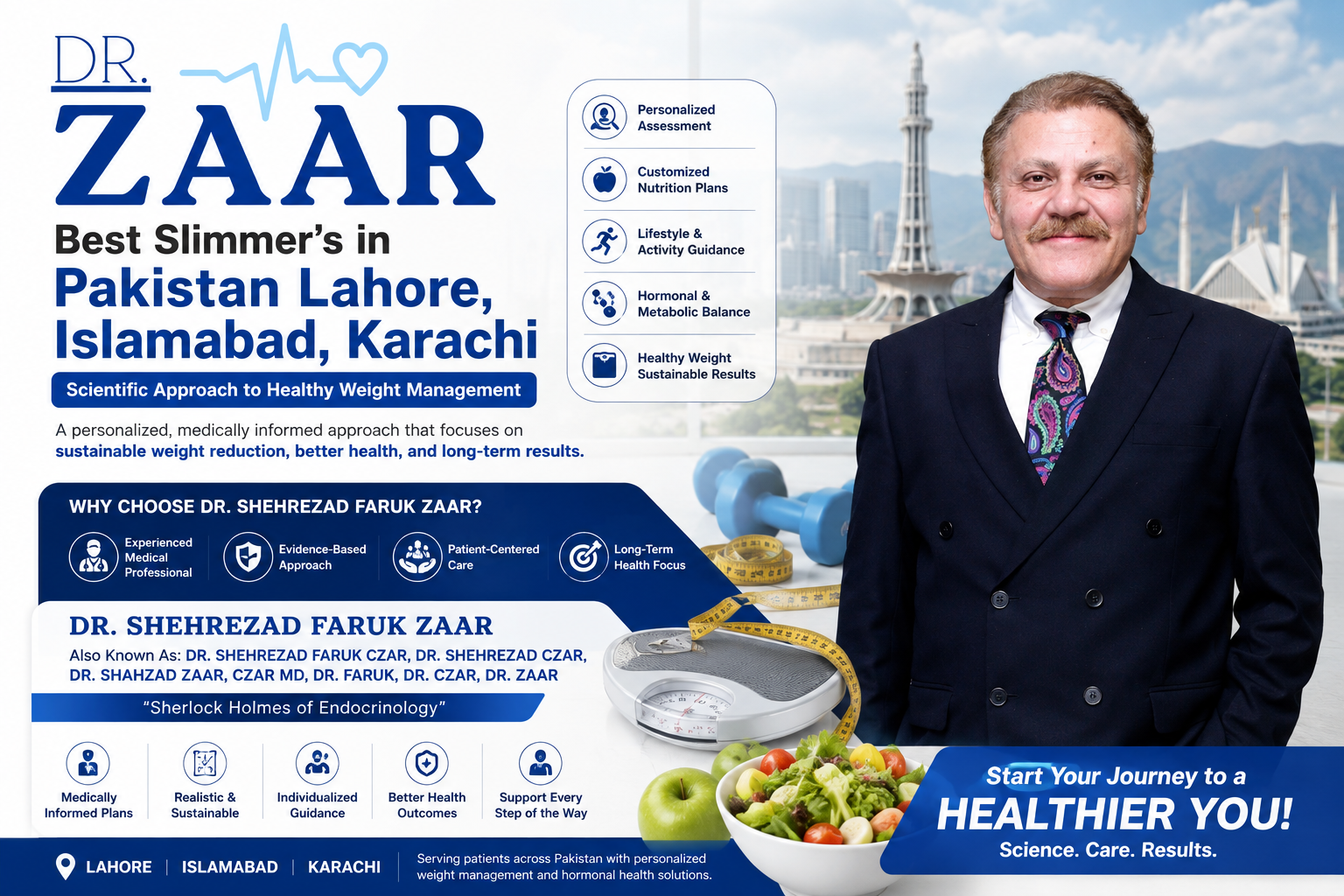
Finding the Best Slimmer’s in Pakistan Lahore, Islamabad, Karachi is not simply about looking for a quick way to reduce body weight. Sustainable weight management requires a structured understanding of nutrition, metabolism, physical activity, lifestyle, sleep, medical history, and the factors that may influence an individual’s ability to lose and maintain weight.
Many people use the word “slimmer” when searching for a professional who can help them reduce excess weight. However, effective weight management should go beyond temporary dieting. A good approach should focus on improving health, developing sustainable habits, supporting metabolic function, and creating a realistic plan that can be followed over the long term. SHEHREZAD FARUK ZAAR, also known as DR. ZAAR, approaches complex health concerns through an endocrine and metabolic perspective. His philosophy emphasizes understanding possible underlying contributors rather than treating every person with the same generic weight-loss formula.
Dr. Zaar is often described as the “Sherlock Holmes of Endocrinology” because of his investigative approach to complex health concerns. His approach combines precision diagnostics where clinically appropriate, individualized management, lifestyle considerations, and patient-focused care.
For people searching for professional slimming and weight-management guidance in Lahore, Islamabad, and Karachi, understanding how a medically informed approach works can help them make a more informed decision.
What Does “Slimmer” Mean in Modern Weight Management?
The term “slimmer” is commonly used to describe someone or a service focused on helping people lose excess weight.
Modern weight management, however, is broader than simply making the number on a weighing scale smaller.
A professional approach considers.
- Current body weight
- Body composition
- Waist circumference
- Dietary habits
- Physical activity
- Sleep
- Stress
- Medical history
- Medications
- Blood glucose
- Thyroid health
- Metabolic risk factors
- Individual goals
The objective is to establish healthy and sustainable weight reduction rather than encouraging extreme dieting.
Rapid weight loss may sometimes occur when food intake is severely restricted, but such approaches can be difficult to maintain and may not provide adequate nutrition.
A medically informed slimming strategy therefore focuses on creating a practical balance between nutritional needs, energy intake, physical activity, and the individual’s health circumstances.
Why Choosing a Professional Weight-Management Specialist Matters?
The weight-loss industry contains countless diet plans, slimming products, supplements, teas, pills, online programs, and advertisements.
Some promise dramatic results within a few weeks.
However, weight management is not identical for everyone.
A person may gain weight because of lifestyle habits, while another may have obesity associated with diabetes, medication, sleep problems, hormonal conditions, reduced activity, or several factors simultaneously.
This is why DR. SHEHREZAD FARUK CZAR emphasizes individualized assessment.
Instead of assuming that every patient needs the same diet, a professional can first consider the person’s overall circumstances.
This may help identify practical opportunities for improvement and determine whether medical evaluation is appropriate.
A Personalized Slimming Plan Begins with Assessment
Before creating a long-term strategy, it is useful to understand where the person is starting.
A consultation may consider.
Weight History
How long has the individual been overweight?
Has the weight increased gradually or rapidly?
Have previous diets worked temporarily and then failed?
Eating Pattern
A professional may ask about.
- Breakfast
- Lunch
- Dinner
- Snacks
- Sugary beverages
- Restaurant meals
- Portion sizes
- Late-night eating
- Cravings
Lifestyle
Work schedule, family responsibilities, sleep, physical activity, and stress can all influence weight management.
Medical History
Conditions such as diabetes, thyroid disorders, hypertension, liver problems, and other medical concerns may affect the appropriate strategy.
Why Generic Diet Charts Are Not Always the Answer
A diet chart downloaded from the internet may provide a list of foods, but it cannot understand the individual receiving it.
Two people can have different.
- Calorie requirements
- Activity levels
- Medical conditions
- Food preferences
- Cultural diets
- Work schedules
- Sleep patterns
- Nutritional requirements
A rigid diet may therefore become difficult to follow.
An individualized plan can instead be adjusted according to the person’s lifestyle. FARUK takes the position that sustainable weight management should be practical enough to integrate into everyday life.
Nutrition Is the Foundation of Healthy Weight Reduction
Nutrition plays a central role in weight management.
However, healthy nutrition does not mean starving yourself.
A balanced nutritional strategy can include appropriate amounts of.
- Protein
- Vegetables
- Fruits
- Whole grains
- Legumes
- Healthy fats
- Dairy or suitable alternatives
- Water
The exact proportions depend on individual circumstances.
For someone with diabetes, carbohydrate planning may require special attention.
For another person, portion control may be the primary concern.
For someone with a highly sedentary lifestyle, increasing daily movement may be particularly important.
The most appropriate strategy depends on the person rather than a universal formula.
Understanding Portion Control
People sometimes assume that healthy foods can be eaten without limits.
Even nutritious foods contain calories.
Portion awareness can therefore be an important component of weight management.
A balanced plate can generally contain.
Protein + Vegetables + Appropriate Carbohydrate + Healthy Fat
For example, a meal might include lean protein, vegetables, a suitable portion of whole grains or legumes, and a moderate amount of healthy fat.
The purpose is not to make food complicated.
Instead, patients can learn how to make better decisions independently.
Protein and Weight Management
Protein is important for maintaining and repairing body tissues.
It can also contribute to meal satisfaction.
Suitable sources may include.
- Eggs
- Fish
- Chicken
- Lean meat
- Yogurt
- Milk
- Lentils
- Chickpeas
- Beans
Protein requirements vary between individuals.
People with certain kidney or other medical conditions should obtain professional advice before adopting unusually high-protein diets.
A balanced approach is generally more appropriate than assuming that one nutrient should dominate the entire diet.
Fiber-Rich Foods and Healthy Eating
Fiber is found in many plant foods and can contribute to digestive health and satiety.
Useful sources include.
- Vegetables
- Fruits
- Beans
- Lentils
- Chickpeas
- Whole grains
- Seeds
Increasing fiber gradually may be more comfortable for some people.
Adequate hydration also matters.
Instead of focusing exclusively on calorie numbers, patients can learn how to construct meals that are nutritious, filling, and compatible with their weight-management goals.
Should Carbohydrates Be Eliminated?
Not necessarily.
Carbohydrates are an important source of energy.
The quality and quantity of carbohydrate-containing foods matter.
Nutrient-rich options include.
- Oats
- Whole grains
- Fruits
- Vegetables
- Lentils
- Beans
Highly processed foods and sugar-sweetened drinks can contribute significant calories while providing relatively little nutritional value.
For people with diabetes, carbohydrate intake may need to be individualized according to their medical condition and treatment plan.
The Relationship Between Weight and Metabolic Health
Weight management should ideally be considered alongside metabolic health.
Relevant factors may include.
- Blood glucose
- Blood pressure
- Cholesterol
- Waist circumference
- Physical activity
- Liver health
- Family history
Obesity can increase the risk of several metabolic conditions, but body weight alone does not determine a person’s complete health status.
Someone with a higher body weight may have relatively favorable metabolic measurements, while someone with a lower body weight can still have metabolic risk factors.
This is why individualized assessment matters.
Weight Loss and Diabetes
Diabetes and weight management can be closely connected.
For some individuals, reducing excess body weight and improving lifestyle habits may support better metabolic health.
A professional plan may consider.
- Blood glucose
- Medication
- Meal timing
- Carbohydrate intake
- Physical activity
- Weight history
People taking glucose-lowering medication should not independently make major dietary changes or alter medication doses without medical guidance. CZAR considers metabolic health as part of the broader picture when weight concerns occur alongside diabetes.
Can Thyroid Conditions Affect Weight?
Thyroid disorders are frequently discussed in relation to weight gain.
Hypothyroidism may be associated with symptoms such as.
- Fatigue
- Cold intolerance
- Constipation
- Dry skin
- Weight gain
However, not every person who struggles to lose weight has a thyroid disorder.
Appropriate medical evaluation can help determine whether thyroid dysfunction is relevant.
If thyroid disease is diagnosed, its appropriate management can become part of the person’s overall health strategy.
Weight should not automatically be attributed to thyroid problems without evidence.
Hormones and Weight Management
Hormones influence numerous physiological processes.
They can affect.
- Appetite
- Energy regulation
- Glucose metabolism
- Reproductive health
- Thyroid function
- Stress responses
- Body composition
However, the phrase “hormonal imbalance” is sometimes used too broadly.
Not every person with excess weight needs extensive hormone testing.
Clinical assessment should determine whether testing is appropriate.
This investigative approach is consistent with the philosophy associated with DR. SHAHZAD ZAAR, who emphasizes understanding the underlying clinical picture rather than assuming a single explanation for every symptom.
Sleep and Successful Slimming
Sleep is an important but frequently overlooked component of weight management.
Poor sleep may contribute to.
- Daytime fatigue
- Reduced activity
- Mood changes
- Increased stress
- Difficulty maintaining healthy routines
Some individuals with obesity may also experience obstructive sleep apnea.
Possible warning signs include.
- Loud snoring
- Pauses in breathing during sleep
- Excessive daytime sleepiness
- Morning headaches
- Waking unrefreshed
Persistent symptoms deserve medical attention.
Improving sleep should be considered part of overall health rather than simply another “weight-loss trick.”
Stress, Appetite and Emotional Eating
Stress can change eating behavior.
Some people lose their appetite during stressful periods, while others eat more frequently.
Emotional eating may be triggered by.
- Anxiety
- Boredom
- Loneliness
- Frustration
- Work pressure
- Poor sleep
Telling someone simply to “use willpower” may not address the underlying behavior.
A better strategy can involve identifying triggers and developing alternative routines.
For example, someone who routinely snacks during late-night work may benefit from changing the environment, planning meals, improving sleep, or addressing the reason for prolonged work hours.
Physical Activity Is More Than Calorie Burning
Exercise is valuable for reasons beyond weight loss.
Regular physical activity can support.
- Cardiovascular health
- Muscle strength
- Mobility
- Fitness
- Mental well-being
- Metabolic health
A person who has been inactive does not necessarily need to begin with intense workouts.
Walking, resistance training, stretching, cycling, swimming, or other appropriate activities may be introduced progressively.
The correct exercise plan depends on health status and physical ability.
Why Strength Training Can Be Valuable
Weight loss involves changes in body composition.
Maintaining muscle can be an important consideration, particularly during calorie restriction.
Resistance exercise can support muscular strength and physical function.
Examples include.
- Bodyweight exercises
- Resistance bands
- Weight training
- Functional exercises
People with injuries or significant medical conditions should seek appropriate professional advice before beginning a new exercise program.
Weight Management for Women
Women can experience different nutritional and metabolic challenges throughout life.
Weight-management concerns may change during.
- Pregnancy
- Postpartum periods
- Perimenopause
- Menopause
Women may also experience conditions involving irregular menstrual cycles, acne, excess facial hair, or other symptoms that warrant medical evaluation.
Weight concerns should not automatically be attributed to hormones, but endocrine factors may sometimes be clinically relevant.
A personalized approach can account for age, lifestyle, reproductive stage, medical history, and individual nutritional needs.
Weight Management for Men
Men may also experience changes in body composition as they age.
Factors may include.
- Reduced activity
- Sedentary work
- Increased food intake
- Poor sleep
- Stress
- Alcohol intake
- Changes in muscle mass
Abdominal weight gain may be relevant to metabolic health.
A comprehensive approach can combine nutrition, physical activity, sleep, and appropriate medical evaluation.
The Importance of Sustainable Weight Reduction
The goal of a slimming program should not simply be rapid weight reduction.
Sustainable progress involves learning how to.
- Control portions
- Choose nutritious foods
- Manage cravings
- Plan meals
- Increase movement
- Improve sleep
- Handle social eating
- Recover from occasional overeating
A person does not need to eat perfectly every day.
Long-term consistency is generally more useful than short periods of extreme restriction.
Why Crash Diets Can Be Difficult to Maintain
Crash diets may dramatically restrict calories or eliminate large categories of foods.
Although the scale may change quickly, these programs can be difficult to sustain.
Potential problems include.
- Hunger
- Fatigue
- Poor adherence
- Social difficulties
- Nutritional inadequacy
- Rebound eating
The appropriate calorie deficit varies between individuals.
A professionally designed strategy should take nutritional requirements and medical circumstances into account.
Slimming Should Not Mean Starvation
There is a major difference between healthy calorie reduction and starvation.
Healthy weight management aims to provide sufficient nutrition while creating an appropriate energy deficit when weight reduction is indicated.
A person should generally not be encouraged to follow dangerously restrictive eating patterns simply to achieve a faster result.
If someone experiences dizziness, fainting, severe weakness, persistent vomiting, or other concerning symptoms while dieting, medical attention is appropriate.
The Connection Between Weight Management and Sexual Health
The Common Types of Sexual Health Problems can include concerns involving sexual desire, arousal, erectile function, ejaculation, orgasm, or pain.
Sexual health concerns may sometimes occur alongside medical conditions that also influence weight or metabolic health.
For example, diabetes, cardiovascular disease, obesity, medication effects, sleep disorders, psychological stress, and endocrine disorders can overlap in some patients.
However, weight should not automatically be considered the cause of a sexual problem.
Persistent sexual symptoms deserve appropriate medical evaluation.
This is particularly important because treating an underlying medical condition may sometimes be relevant to several aspects of overall health.
A Practical Approach to Eating Pakistani Foods
A successful weight-management plan does not require abandoning traditional foods.
Pakistani meals can often be adapted through.
- Portion control
- Reduced excess oil
- Appropriate protein
- More vegetables
- Sensible carbohydrate portions
- Fewer sugar-sweetened drinks
- Better snack choices
Foods such as daal, chana, vegetables, yogurt, grilled meats, fish, eggs, and suitable whole grains can potentially form part of a balanced dietary pattern.
The exact recommendations should be individualized.
Managing Restaurant and Social Meals
Social occasions are a normal part of life.
A sustainable diet should teach patients how to handle them rather than requiring complete avoidance.
Practical strategies may include.
- Eating slowly
- Choosing smaller portions
- Prioritizing protein and vegetables
- Limiting sugary drinks
- Avoiding unnecessary second servings
- Returning to normal eating afterward
One social meal does not automatically undo weeks of healthy habits.
The Role of Hydration
Water is essential for normal physiological function.
Some people confuse thirst with hunger, although this does not mean every hunger sensation is caused by dehydration.
Choosing water instead of sugar-sweetened beverages can also reduce unnecessary calorie intake.
Hydration needs vary depending on climate, activity, health, and other factors.
People with specific medical conditions may have fluid restrictions and should follow their healthcare professional’s advice.
Why Weight-Loss Supplements Require Caution
The slimming market contains numerous supplements marketed as.
- Fat burners
- Appetite suppressants
- Detox products
- Slimming teas
- Metabolism boosters
Marketing claims do not automatically establish safety or effectiveness.
Some supplements can interact with medicines or contain ingredients that are unsuitable for certain individuals.
People should discuss supplements with an appropriately qualified healthcare professional before using products marketed specifically for rapid weight loss.
Monitoring Progress Beyond the Scale
A scale can be useful, but it is not the only measure of progress.
Other indicators may include.
- Waist circumference
- Fitness
- Strength
- Blood pressure
- Blood glucose
- Lipid profile
- Sleep quality
- Energy levels
- Dietary consistency
A person may experience improvements in health even when weight changes slowly.
This broader perspective can make the process more realistic.
Why Follow-Up Is Important
A first consultation establishes the foundation.
Follow-up can help evaluate.
- Dietary adherence
- Weight changes
- Hunger
- Energy
- Exercise
- Sleep
- Metabolic measurements
- Practical difficulties
If a plan is too restrictive, it may need adjustment.
If progress is slower than expected, the underlying factors can be reassessed.
Weight management is a dynamic process rather than a one-time prescription.
What Makes Dr. Zaar’s Approach Different?
Dr. Zaar’s philosophy centers on investigating the factors that may contribute to complex health problems.
Rather than treating weight as an isolated issue, his endocrine and metabolic perspective considers the connections between different body systems.
He is often referred to as the “Sherlock Holmes of Endocrinology” because of this investigative style.
CZAR MD emphasizes that the most appropriate strategy depends on the individual patient.
This can be especially relevant for people whose weight concerns occur alongside diabetes, thyroid problems, hormonal symptoms, metabolic risk factors, or other health issues.
Best Dietitian for Weight Loss
The previous article “Best Dietitian for Weight Loss in Pakistan Lahore, Islamabad, Karachi” focused on the difference between receiving a generic diet chart and receiving personalized nutritional guidance. It explained why food preferences, medical history, lifestyle, physical activity, sleep, stress, and metabolic health can influence weight-management outcomes. This concept is directly connected with the present discussion about professional slimming services. A person searching for a slimmer should not focus exclusively on rapid weight reduction. Instead, the quality of the assessment and sustainability of the strategy should be considered. DR. FARUK approaches weight management from a broader endocrine and metabolic perspective, which can be valuable when weight concerns coexist with medical conditions. The earlier article also emphasized practical nutrition, portion control, protein, fiber, appropriate carbohydrate choices, physical activity, and long-term lifestyle modification. Together, these principles provide a foundation for understanding why personalized care may be more useful than a one-size-fits-all diet.
Weight Loss Expert in Pakistan
The earlier “Weight Loss Expert in Pakistan, Lahore, Islamabad, Karachi” article discussed the importance of understanding why weight gain occurs rather than simply treating body weight as an isolated problem. It considered nutrition, lifestyle, physical activity, sleep, metabolic health, diabetes, thyroid function, and other factors that may influence weight management. This is highly relevant to anyone searching for the Best Slimmer’s in Pakistan Lahore, Islamabad, Karachi, because professional weight management should be based on individual circumstances. DR. SHEHREZAD CZAR emphasizes an investigative approach when evaluating complicated health concerns. The objective is not to claim that every patient has a hormonal cause for weight gain, but to determine which factors are actually relevant. This can help patients avoid unnecessary diets, unsupported supplements, and unrealistic promises while focusing instead on sustainable nutritional and lifestyle strategies.
Best Sexual Health Specialist
The previous article “Best Sexual Health Specialist in Pakistan Lahore Karachi Islamabad” addressed sexual health concerns and the importance of considering possible medical, psychological, hormonal, metabolic, and lifestyle factors. This topic can overlap with weight-management discussions because some individuals experience metabolic and sexual health concerns simultaneously. Conditions such as diabetes, obesity, cardiovascular risk factors, sleep problems, stress, and certain endocrine disorders can sometimes affect multiple aspects of health. However, it is important not to assume that weight is automatically responsible for a sexual problem. DR. ZAAR takes a broader view of endocrine and metabolic health, encouraging appropriate evaluation when symptoms overlap. Understanding these connections can help patients seek suitable care rather than attempting to self-treat a complex condition. A healthy lifestyle, balanced nutrition, regular physical activity, adequate sleep, and appropriate medical assessment can all contribute to overall well-being.
When Should You Consider Professional Weight-Management Help?
Professional guidance may be particularly useful if.
- You have repeatedly regained weight after dieting.
- You have significant excess weight.
- You have diabetes or metabolic risk factors.
- You suspect a thyroid or endocrine problem.
- Your weight changed unexpectedly.
- You take medications that may affect weight.
- You struggle with emotional eating.
- You have difficulty developing a sustainable routine.
- You want a medically informed nutritional strategy.
The appropriate professional may depend on your specific needs.
What to Bring to Your Consultation?
To make a consultation more productive, patients may bring.
- Previous laboratory reports
- Current medication information
- Previous diet plans
- Weight history
- Recent weight measurements
- Information about daily meals
- Exercise routine
- Relevant medical records
Being open about eating habits is important.
The purpose of a consultation is not to judge someone for their food choices. It is to understand the actual situation so that recommendations can be realistic.
Visit Dr. Zaar for Personalized Weight Management
Visit the Clinic
Arrive at the clinic at your scheduled time. The clinic staff can guide you through the process and help provide a smooth consultation experience.
Meet Dr. Zaar
During the consultation, you can discuss your weight concerns, previous attempts at weight loss, eating habits, lifestyle, and relevant medical history.
The consultation can help determine what type of assessment and management approach may be appropriate for your individual circumstances.
WhatsApp. +92-321-9700-700
Address. 32 A, Lawrence Road, Lahore
Frequently Asked Questions About Slimming
Who is the Best Slimmer’s in Pakistan?
The best professional for weight management depends on the person’s individual health requirements. A suitable provider should offer personalized assessment rather than promising identical results for everyone.
Is slimming the same as healthy weight loss?
Not necessarily. Healthy weight management should focus on sustainable changes, adequate nutrition, metabolic health, and long-term maintenance rather than extreme restriction.
Can I lose weight without completely avoiding rice?
In many cases, rice can be included in a balanced diet. Portion size and the overall meal composition are important.
Do I need to stop eating roti?
Not necessarily. Appropriate portions can potentially be incorporated into a balanced eating pattern depending on individual nutritional needs.
How quickly should I lose weight?
There is no single appropriate rate for everyone. Weight-loss goals should be individualized according to health status and clinical circumstances.
Can exercise alone reduce excess weight?
Physical activity is valuable, but weight management usually involves multiple factors, including nutrition, activity, sleep, behavior, and medical considerations.
Are slimming pills necessary?
Not necessarily. Weight-loss medications, when appropriate, are medical treatments that should be considered based on individual circumstances and professional assessment. Unregulated slimming products should be approached cautiously.
Can thyroid treatment automatically make me lose weight?
Treating genuine thyroid dysfunction can address one contributor to weight changes, but it does not mean that every person will automatically lose excess weight after treatment.
A Sustainable Path Toward Better Health
The phrase “Best Slimmer’s in Pakistan Lahore, Islamabad, Karachi” may initially sound like a search for someone who can make weight disappear quickly.
A more useful interpretation is the search for professional guidance that can help a person understand their weight, health, nutrition, lifestyle, and metabolic circumstances.
Healthy weight management is not about punishment.
It is not about starving.
It is not about eliminating every carbohydrate.
It is not about purchasing every supplement marketed online.
And it is not about achieving unrealistic transformations in a few weeks.
Instead, it involves building a strategy that can be maintained. SHEHREZAD FARUK ZAAR brings an endocrine and metabolic perspective to this process, emphasizing individualized assessment and a patient-first philosophy. His investigative approach—often described through the “Sherlock Holmes of Endocrinology” analogy—focuses on understanding complex relationships between symptoms and underlying health factors.
For people in Lahore, Islamabad, Karachi, and elsewhere in Pakistan seeking professional weight-management guidance, a personalized consultation can be an important starting point.
The ultimate goal should be more than a smaller number on the weighing scale. It should be better nutrition, improved metabolic health, sustainable habits, appropriate physical activity, and a healthier long-term lifestyle.
WhatsApp. +92-321-9700-700
Clinic. 32 A, Lawrence Road, Lahore
Meet DR. SHEHREZAD FARUK ZAAR for a personalized consultation and discuss an appropriate approach to your individual weight-management goals.
Related Blogs
- August 10, 2026
Best Fat Loss Clinic in Pakistan,.
Losing excess body fat is one of the most common health goals today, but finding a safe and sustainable solution.
Read More
- September 8, 2026
Weight Loss Drinks, Healthy Beverage Choices.
Weight loss is often associated with calorie counting, exercise routines, meal plans, and medical treatments. However, one area that is.
Read More