



Weight Loss Products, A Medical Guide to Medicines, Supplements, Injections, Meal Replacements and Safe Product Selection
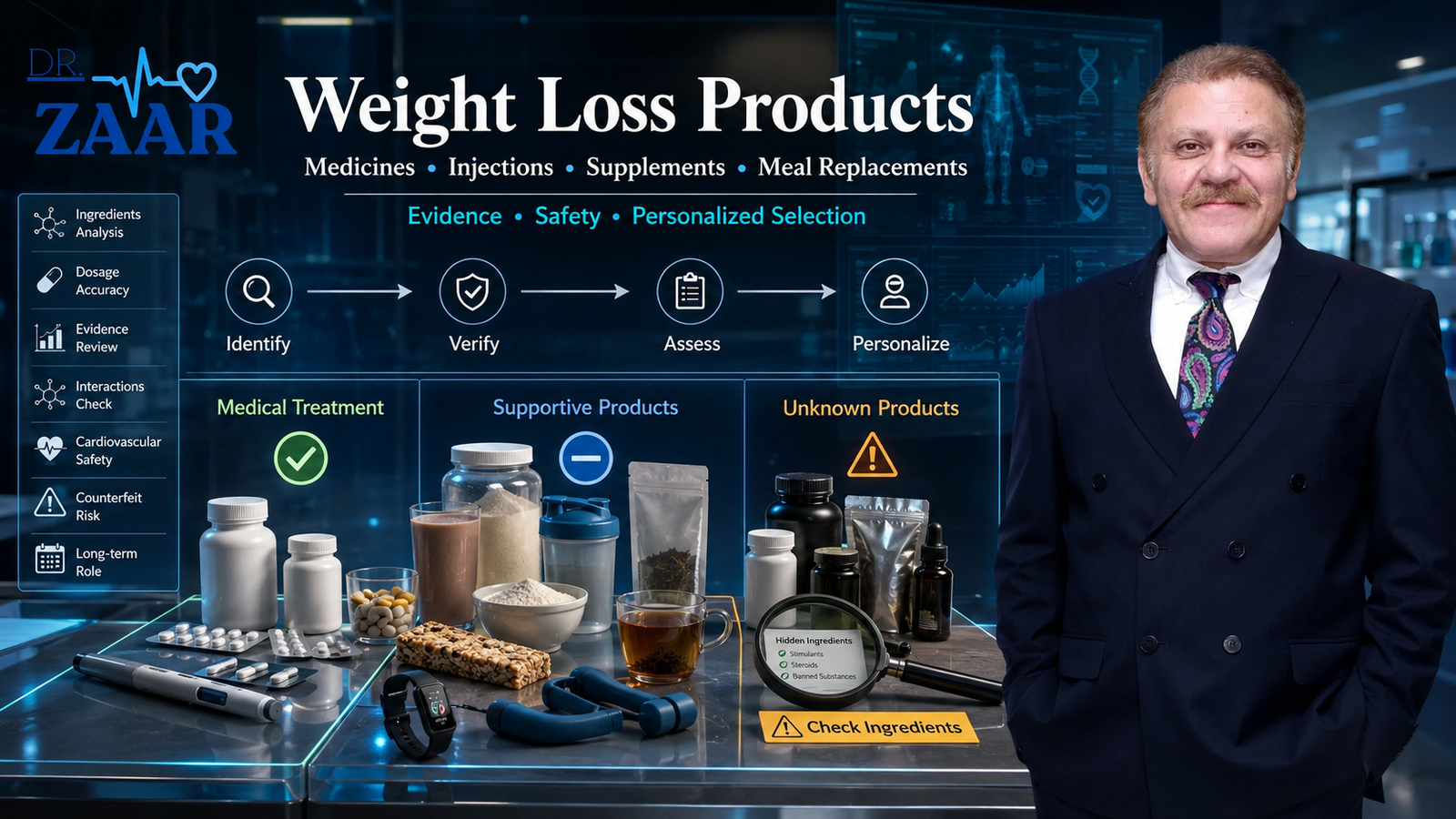
The term weight loss products covers an enormous and confusing market. It may refer to prescription medicines, injections, capsules, herbal powders, slimming teas, meal-replacement shakes, protein products, fibre supplements, wearable devices, home exercise equipment or programmers delivered through mobile applications.
These products do not share the same evidence, safety standards or medical purpose.
A prescription medicine may have undergone controlled clinical trials and regulatory review for a defined group of patients. A slimming tea may produce temporary water loss through laxative or diuretic effects without reducing meaningful body fat. An imported capsule described as completely natural may contain an undeclared pharmaceutical ingredient. A meal-replacement product may be useful within a structured programme but nutritionally unsuitable if used indiscriminately.
The correct question is therefore not simply:
Which weight loss product works fastest?
A more responsible question is:
Which product, if any, is appropriate for this particular patient, and how will it fit into a complete medical weight-management plan?
Dr. Zaar, often called the “Sherlock Holmes of Endocrinology,” approaches excess weight through the interconnected biology of appetite, hormones, insulin, metabolism, sleep, medication and behaviour. His work in endocrine biochemistry and metabolic medicine focuses on identifying why weight accumulated before deciding whether a commercial product, prescription treatment or non-product strategy is justified.
The Weight-Loss Market Combines Medicine With Marketing
Weight-loss advertising is built around urgency.
Customers are promised rapid results, effortless fat burning, complete appetite control, detoxification or permanent transformation. Before-and-after photographs may create the impression that one product independently produced the entire result.
The advertisement may not disclose that the individual also followed a calorie-restricted diet, exercised, received medical treatment or was photographed under different lighting and posture. Testimonials cannot determine whether a product is effective, safe or suitable for another person.
Social media has intensified the problem. Products can be promoted by influencers without a clear explanation of the active ingredients, dose, contraindications or evidence. A large number of positive reviews can be manufactured or selectively displayed.
The FDA warns that weight-loss pills, fat burners, supplements and teas may contain dangerous hidden ingredients. Products marketed as foods, supplements or natural remedies can still represent medication fraud and may cause serious illness or hospitalisation.
A product should be judged by its ingredients, evidence, manufacturing quality and clinical suitability—not by the confidence of the person selling it.
A Product Is Not a Complete Treatment Plan
Even an effective medicine addresses only part of the weight-management problem.
A product may reduce appetite, change nutrient absorption or make calorie control easier. It cannot independently diagnose diabetes, identify sleep apnoea, correct emotional eating, preserve muscle or build a maintenance strategy.
A complete programme may need to address:
- Food quality and total energy intake
- Hunger, cravings and portion size
- Physical activity and cardiovascular fitness
- Protein intake and muscle preservation
- Diabetes and insulin resistance
- Blood pressure and cholesterol
- Fatty liver disease
- Thyroid and other endocrine symptoms
- Sleep quality and obstructive sleep apnoea
- Depression, stress and binge eating
- Medicines that promote weight gain
- The risk of regaining weight after treatment stops
SHEHREZAD FARUK ZAAR may consider a product when it fills a clearly defined role within this larger strategy. The product should support treatment rather than replace diagnosis.
The First Division: Prescription Medicine or Commercial Supplement?
Patients often assume that anything available without a prescription must be safer than prescribed treatment. That assumption is incorrect.
Prescription medicines have defined active ingredients, doses, indications, contraindications and recognised adverse effects. Approval does not mean that a medicine is safe for everyone, but it allows clinicians to evaluate known evidence and risks.
Dietary supplements are regulated differently in many countries. A label may contain a plant name, a proprietary mixture or several ingredients without explaining how much of each substance is present. Product quality can vary between manufacturers and batches.
The terms “herbal,” “organic” and “natural” do not establish safety. Plants can affect blood pressure, heart rhythm, blood glucose, liver function and prescribed medicines. Some natural substances are poisonous.
The United States National Center for Complementary and Integrative Health reports that most supplements promoted for rapid weight loss have not been shown to support long-term weight maintenance, and some may be dangerous. Ingredients such as green-tea extract, chitosan, bitter orange and various herbs have not demonstrated reliable weight-loss effectiveness and may produce adverse effects.
Prescription Weight-Management Medicines
Prescription anti-obesity medicines may be appropriate for selected patients when lifestyle treatment alone has not produced sufficient improvement.
The internationally recognised options include medicines that alter appetite, satiety, nutrient absorption or reward pathways. Examples include orlistat, liraglutide, semaglutide, tirzepatide, naltrexone-bupropion and phentermine-topiramate. Approvals, formulations and availability differ among countries.
These medicines are not interchangeable.
Orlistat reduces the absorption of some dietary fat and can cause gastrointestinal effects, particularly when a high-fat meal is consumed. Other medicines act on brain pathways involved in appetite and reward. GLP-1-based treatments reduce appetite and increase satiety through gastrointestinal and neurological mechanisms.
The NIDDK explains that prescription medicines may be used alongside healthy eating and physical activity to treat overweight and obesity and to assist with weight maintenance.
Selection depends on the patient’s BMI, associated disease, other medicines, cardiovascular health, gastrointestinal history, kidney and liver status, psychiatric history, pregnancy plans and previous treatment response.
CZAR MD should determine whether the expected benefit justifies the cost, adverse effects and need for continued treatment.
GLP-1 and Related Injectable Products
Semaglutide and tirzepatide have transformed the public understanding of weight-loss treatment. They have also created considerable confusion.
These medicines are available in different products for different indications. Certain formulations are authorised for diabetes, while others are authorised for chronic weight management. Patients should not assume that all injection pens containing a related drug are identical.
GLP-1-based treatment can reduce hunger and increase fullness, enabling many patients to consume less food. Tirzepatide also acts on GIP-related pathways.
Possible adverse effects may include nausea, vomiting, diarrhoea, constipation, abdominal discomfort and reduced food intake. More serious risks and contraindications require medical review. Dose escalation is generally gradual.
These injections should not be treated as stand-alone cosmetic products. Patients require attention to hydration, nutrition, protein intake, resistance exercise, diabetes medication and signs of adverse effects.
Rapid appetite reduction can result in inadequate food intake. If muscle-preserving measures are neglected, part of the weight lost may come from lean tissue.
SHEHREZAD FARUK CZAR may assess whether an injectable treatment is clinically indicated, whether the patient can tolerate and continue it, and how it will be integrated with metabolic monitoring.
The Difference Between a Licensed Product and an Unknown Injection
A sealed injection pen does not automatically prove authenticity.
The patient should know:
- The exact active ingredient
- The product name and manufacturer
- The prescribed dose
- The regulatory status of that formulation
- The storage requirements
- The source from which it was obtained
- The expiry date
- Whether the packaging and batch details are intact
- Who prescribed it and who will monitor treatment
The popularity and cost of modern weight-loss injections have encouraged counterfeit, illegally imported and falsely compounded products.
The FDA has warned about unapproved GLP-1 products and fraudulent compounded semaglutide and tirzepatide carrying false labels. In some cases, the pharmacy named on a label did not manufacture the product.
Incorrect concentration can lead to dosing errors. Improper storage can damage the product. Contamination or uncertain sterility can create additional risks.
A cheaper unknown injection is not medically equivalent to a verified product obtained through legitimate clinical and pharmaceutical channels.
Fat-Burning Capsules and Thermogenic Products
The expression “fat burner” is commercially powerful but medically imprecise.
Many fat-burning products contain caffeine or other stimulants intended to increase alertness, reduce appetite or slightly increase energy expenditure. Their actual effect on body fat may be modest, while adverse effects can include palpitations, anxiety, tremor, insomnia, increased blood pressure and gastrointestinal disturbance.
Combining several stimulant sources can be particularly problematic. A patient may take a fat-burning capsule, multiple cups of coffee, an energy drink and a pre-workout supplement without recognising that the stimulant load has accumulated.
Some products contain synephrine or substances resembling prohibited stimulants. These may pose greater risks to patients with hypertension, heart disease or abnormal heart rhythms.
The FDA previously identified a weight-loss product containing undeclared DMAA and synephrine. DMAA can elevate blood pressure and has been associated with cardiovascular concerns.
SHEHREZAD CZAR may ask patients to bring the packaging or photographs of every capsule, powder and pre-workout product they use. The phrase “gym supplement” is not sufficiently precise for medical review.
Slimming Teas and Detox Drinks
Slimming teas are often marketed as gentle, natural and cleansing. Their effects may come from caffeine, laxatives, diuretics or combinations of herbs.
A laxative increases bowel movements but does not produce meaningful fat loss. The reduction seen on the scale may reflect stool and water. Excessive use can cause cramping, diarrhoea, dehydration and electrolyte disturbance.
Diuretics increase urine production. They may temporarily reduce body weight through fluid loss but do not remove stored fat. Unsupervised fluid manipulation can be dangerous, particularly in patients with heart, kidney or blood-pressure conditions.
The word “detox” is commonly used without specifying which toxin is being removed or how the claim was demonstrated. The liver, kidneys, lungs and gastrointestinal system continuously process and eliminate metabolic waste. A commercial drink is not required to activate a hidden cleansing mechanism.
Green tea as an ordinary beverage may fit into a healthy diet. Concentrated extracts are different because the dose can be much higher and may produce adverse effects or interact with medicines.
SHAHZAD ZAAR distinguishes between enjoyable beverages and products promoted through unsupported therapeutic claims.
Fibre Powders and Fullness-Producing Products
Certain fibre products can increase fullness, support bowel regularity and help some patients control intake.
However, fibre is not an independent cure for obesity. Its effect depends on the product, dose, diet and patient. Taking additional fibre while continuing excessive consumption of high-calorie foods may produce little weight change.
Possible adverse effects include bloating, gas, constipation or diarrhoea. Fibre can also alter the absorption or timing of certain medicines. Adequate fluid intake may be necessary.
A product should identify the type and quantity of fibre rather than relying on vague language such as “metabolic cleanse.”
Whole foods—including vegetables, pulses, fruit and appropriate whole grains—provide fibre together with nutrients. A supplement may be useful when the diet does not supply enough or when a particular clinical need exists, but it should not automatically replace food.
Patients with swallowing problems, bowel obstruction risk or significant gastrointestinal disease require professional advice before beginning bulking products.
Protein Powders and Muscle Preservation
Protein powders are not weight-loss medicines, but they can serve a useful nutritional role.
Adequate protein supports fullness and helps preserve lean tissue during calorie restriction. This becomes especially important during substantial weight loss or treatment with appetite-suppressing medication.
A protein shake may be convenient for a patient who cannot prepare an appropriate meal. However, it can also add excess calories when consumed in addition to regular food.
Products vary in protein quantity, sugar content, fat, flavouring and additional ingredients. Some bodybuilding products contain stimulants, hormones or proprietary mixtures that have no role in ordinary weight management.
Patients with kidney disease, severe liver disease or specific metabolic conditions require individualised advice regarding protein intake.
FARUK may calculate protein needs according to body composition, health and activity rather than simply recommending the highest-protein product available.
Resistance exercise remains necessary because swallowing protein alone does not fully protect or build muscle.
Meal-Replacement Shakes, Bars and Soups
Meal replacements can assist weight loss when used within a structured, calorie-controlled and nutritionally planned programme.
Their advantages include portion control, convenience and predictable calorie content. They may help patients who struggle with meal preparation or uncontrolled portions.
However, not every shake or bar is nutritionally complete. Some are little more than flavoured sugar, while others contain substantial calories despite being marketed as healthy.
The label should be examined for:
- Total calories
- Protein content
- Added sugar
- Fibre
- Fat composition
- Vitamins and minerals
- Serving size
- Allergens
- Stimulants or unnecessary additives
A product intended as an occasional snack should not be treated as a complete meal. Similarly, a medically supervised very-low-calorie programme should not be improvised from random commercial shakes.
Patients must also learn how to manage ordinary food. If every meal is replaced temporarily but no eating skills are developed, weight regain may occur when regular meals return.
Ketone Drinks, Apple Cider Vinegar and Metabolic Shortcuts
Ketone products are sometimes promoted as a way to produce the benefits of a ketogenic diet without following the diet. Increasing blood ketone measurements through a drink does not automatically produce substantial fat loss.
Apple cider vinegar is also widely advertised. It may be used in small food quantities, but it is not a major obesity treatment. Concentrated or excessive intake can irritate the gastrointestinal tract, affect teeth and interact with medicines.
Other products claim to block carbohydrates, melt abdominal fat or accelerate the thyroid. Claims that a product targets fat from one body area should be viewed critically. The body does not generally permit a capsule or cream to select abdominal fat while leaving other stores unchanged.
A product that genuinely altered thyroid function could cause medical harm if used without diagnosis and monitoring.
CZAR’s endocrine approach separates a measurable biological effect from an advertising phrase that merely sounds scientific.
Creams, Wraps, Belts and Electrical Devices
Topical creams and body wraps may temporarily change skin appearance or fluid distribution. They do not ordinarily produce clinically meaningful loss of internal or subcutaneous fat.
Sweat belts increase perspiration in the covered area. The resulting weight change is water loss, not selective fat reduction.
Electrical muscle-stimulation devices can cause muscle contraction, but they should not be confused with comprehensive resistance training, cardiovascular activity or medical obesity treatment.
Home exercise equipment can be useful when it makes activity accessible and is used consistently. The product itself does not guarantee adherence.
Wearable devices may support self-monitoring by recording steps, heart rate or activity. Their estimates of calories burned are not perfectly accurate. Some patients find the feedback motivating, while others become excessively focused on daily numbers.
The usefulness of a device depends on whether it changes behaviour safely and sustainably.
The Serious Problem of Hidden Pharmaceutical Ingredients
Some of the most dangerous products are those that appear to work rapidly.
A patient may assume that strong appetite suppression proves that an herbal capsule is effective. In reality, the product may contain an undeclared drug or stimulant.
Sibutramine is an important example. It was removed from the US market because of cardiovascular safety concerns. Nevertheless, it has repeatedly been detected in products promoted as natural weight-loss supplements.
The FDA warns that hidden ingredients may include prescription drugs, banned substances or harmful chemicals. It specifically notes that a product may contain sibutramine while being marketed as an all-natural supplement.
The absence of a product from a warning database does not prove safety. Regulators cannot test every item sold through shops, websites and social media.
Warning signs include:
- Promises of extreme loss in days
- Claims that no diet or activity is required
- “Secret” or proprietary ingredients
- No manufacturer or verifiable address
- No clear dose
- Unexplained foreign-language packaging
- Aggressive testimonial marketing
- Claims that the product is completely safe because it is natural
- Sellers discouraging medical consultation
- A dramatic stimulant-like effect after the first dose
Patients experiencing chest pain, severe palpitations, fainting, confusion or serious allergic symptoms should seek urgent medical attention.
How to Read a Product Label Intelligently?
The front of the package is advertising. The ingredient panel contains more useful information.
Before using a weight-loss product, determine:
- What are the active ingredients?
- How much of each active ingredient is present?
- What is the recommended serving?
- How many servings are actually being consumed?
- Does the product contain caffeine or another stimulant?
- Are all ingredients individually listed, or hidden inside a proprietary blend?
- What evidence supports the claimed effect?
- Could the ingredients interact with prescribed medicine?
- Is the manufacturer identifiable?
- Is the product registered or legally marketed in the relevant country?
- Are there batch, expiry and storage details?
- Who will monitor adverse effects?
A long list of vitamins, botanical names and scientific terminology does not establish efficacy.
- ZAAR may compare the ingredients against the patient’s blood pressure, glucose treatment, cardiovascular history, reproductive plans and laboratory findings before advising whether use is reasonable.
Who Should Be Especially Cautious?
No weight-loss product should be assumed safe for every adult.
Particular caution is needed during pregnancy or breastfeeding and in people with:
- Cardiovascular disease
- Hypertension
- Abnormal heart rhythms
- Diabetes treated with glucose-lowering medicines
- Kidney or liver disease
- Gallbladder or pancreatic disease
- Gastrointestinal disorders
- Thyroid disease
- Eating disorders
- Anxiety or severe insomnia
- A history of medication interactions
- Planned surgery
Children and adolescents require age-appropriate assessment. Products designed for adults should not be given to children because a family member believes the child needs to lose weight.
Older adults also require special attention because rapid loss may worsen muscle depletion, frailty and nutritional deficiency.
Sexual-Health Products and Weight-Loss Products Share Similar Risks
The secondary keyword Common Types of Sexual Health Problems is relevant because the weight-loss and sexual-enhancement markets frequently use similar advertising methods.
Products in both categories may be sold through embarrassment, urgency and promises of privacy. Customers may avoid a clinician and purchase something described as natural, fast and guaranteed.
Common sexual-health problems include erectile dysfunction, premature ejaculation, delayed ejaculation, low sexual desire, orgasmic difficulty, painful sexual activity and fertility concerns.
Obesity, diabetes, vascular disease, sleep apnoea, medication and hormonal disturbance can influence sexual function. This overlap may lead some patients to use weight-loss and sexual-enhancement products simultaneously.
Such combinations can be dangerous when the ingredients are unknown. A stimulant in a slimming capsule may increase blood pressure, while an undeclared erectile drug may interact with nitrate medication.
The FDA has repeatedly identified hidden pharmaceutical ingredients in products marketed for weight loss and sexual enhancement. The categories should therefore be approached through the same principles: accurate diagnosis, ingredient verification, interaction checking and professional supervision.
Best Weight Loss Treatment in Pakistan, Lahore, Islamabad and Karachi
The second weight-management article follows the patient’s journey from weight history and appetite biology to clinical examination, laboratory investigation and sustainable treatment. It explores insulin resistance, endocrine disorders, medication effects, sleep, stress and binge eating. It then explains how prescription medicines and modern appetite-regulating injections can be integrated with food planning, physical activity and muscle protection. Bariatric surgery is discussed as a recognised metabolic intervention for selected patients rather than an effortless shortcut. This article is useful for people who have repeatedly lost and regained weight because it treats maintenance as a separate phase of care. It demonstrates why a product may assist weight reduction but cannot replace the behavioural, nutritional and medical systems needed to preserve the result.
Best Erectile Dysfunction Treatment in Pakistan, Lahore and Karachi
This article explains why erectile dysfunction may originate from vascular disease, diabetes, hormonal disturbance, neurological impairment, medication or performance anxiety. It describes diagnostic assessment, oral medicines, the nitrate warning, vacuum devices, injection therapy, psychological support and surgical treatment. Its relevance to weight-loss products is greater than it first appears. Obesity and diabetes can affect erectile health, while unregulated products in both markets may contain undeclared pharmaceutical substances. A patient taking cardiovascular medicine, a stimulant fat burner and an unknown sexual-enhancement product may face serious interaction risks. The article reinforces a common principle across both fields: a treatment should follow diagnosis, and secrecy should never force a patient into medically unsafe self-treatment.
Arranging an Appointment With Dr. Zaar
To arrange a consultation, contact the clinic through WhatsApp at +92 321 9700 700.
The clinic is located at 32 A, Lawrence Road, Lahore.
Arrive at the clinic at your scheduled time, where the staff will guide you through the process and help ensure a smooth experience. You will then sit down with DR. ZAAR for a personalised consultation and expert advice tailored to your health concerns.
Bring every weight-loss capsule, tea, powder, injection, shake, vitamin, gym supplement and herbal product you currently use. The original packaging or clear photographs of the labels can help identify ingredients and doses.
Previous laboratory reports, medical records and a complete list of prescribed medicines should also be provided. Patients travelling from another city should confirm appointment availability before making travel arrangements.
Questions Consumers Frequently Ask
Which weight-loss product works fastest?
A product producing very rapid change may cause water loss, severe calorie restriction or strong stimulant effects rather than safe fat reduction. Speed alone is not a measure of quality.
Are herbal slimming products safer than prescription medicines?
Not automatically. Herbal products can cause adverse effects, interact with medicines or contain undeclared pharmaceutical ingredients.
Is semaglutide suitable for everyone?
No. Suitability depends on the exact formulation, indication, health history, other medicines and contraindications. It requires professional assessment and monitoring.
Can a slimming tea remove abdominal fat?
A tea cannot selectively remove fat from the abdomen. Laxative or diuretic effects may temporarily reduce weight through bowel contents or water loss.
Do protein shakes cause weight loss?
Only when they help create an appropriate calorie deficit or replace a more energy-dense meal. Adding them to an unchanged diet can increase total calorie intake.
Can I combine two weight-loss products?
Not without medical review. Combining products can duplicate stimulants, increase adverse effects or create interactions.
Does an “FDA-approved facility” mean the product is approved?
No. The FDA cautions that claims about being manufactured in an FDA-approved facility can be misleading because the agency does not approve facilities in that way. Product approval and facility-related compliance are separate matters.
When should I stop a product and seek help?
Seek urgent medical care for chest pain, fainting, severe breathlessness, serious allergic symptoms, confusion, persistent vomiting or a very rapid or irregular heartbeat. Other adverse effects should be discussed promptly with a healthcare professional.
Final Assessment: Products Should Serve Medicine, Not Replace It
Weight loss products range from scientifically supported medicines to nutritionally useful aids, ineffective marketing devices and potentially dangerous counterfeit preparations.
The category itself tells the patient almost nothing.
A prescription injection may be appropriate for one person and contraindicated for another. A meal replacement may improve portion control for one patient but worsen an unrecognised eating disorder in someone else. A protein powder may help protect muscle when appropriately used, while a stimulant fat burner may create cardiovascular danger without producing meaningful long-term fat loss.
ZAAR’s patient-first approach begins with the patient rather than the product. It asks what is driving weight gain, which diseases are present, what previous treatments achieved, which risks must be controlled and whether the proposed product fills a legitimate role.
The safest product is not the one carrying the word “natural.” The best product is not the one creating the fastest testimonial. The most medically appropriate product is the one with identifiable ingredients, credible evidence, acceptable risk, legitimate sourcing and a clear place within a personalised treatment and maintenance plan.
Related Blogs
- August 10, 2026
Best Fat Loss Specialist in Pakistan.
Achieving healthy fat loss is one of the most common health goals today, yet it remains one of the most.
Read More
- September 18, 2026
Weight Loss Tips for Males, Losing.
Weight loss for men is often presented as a simple formula: eat less, exercise more, and wait for the scale.
Read More